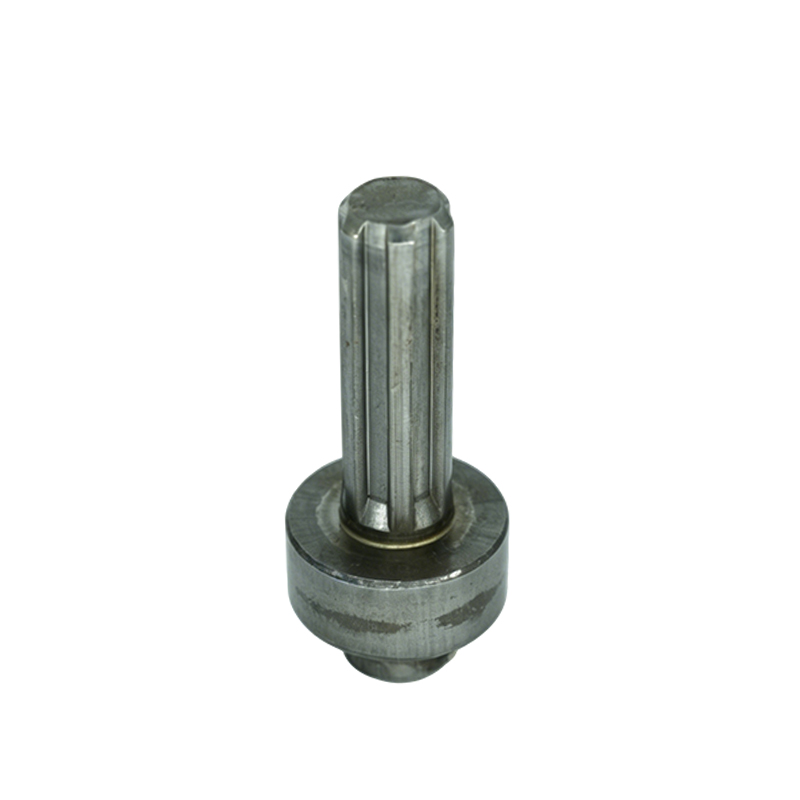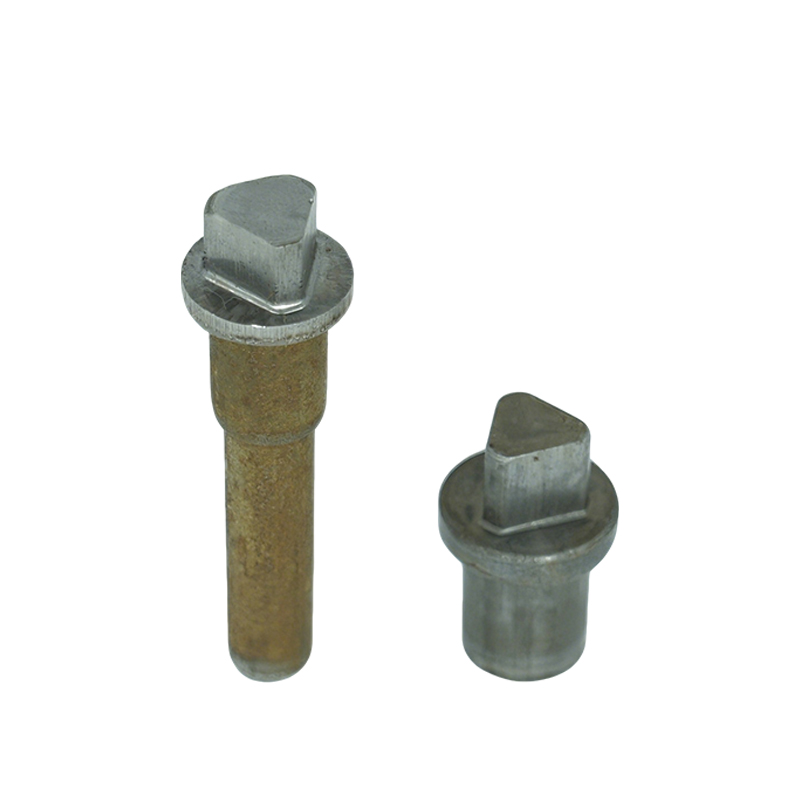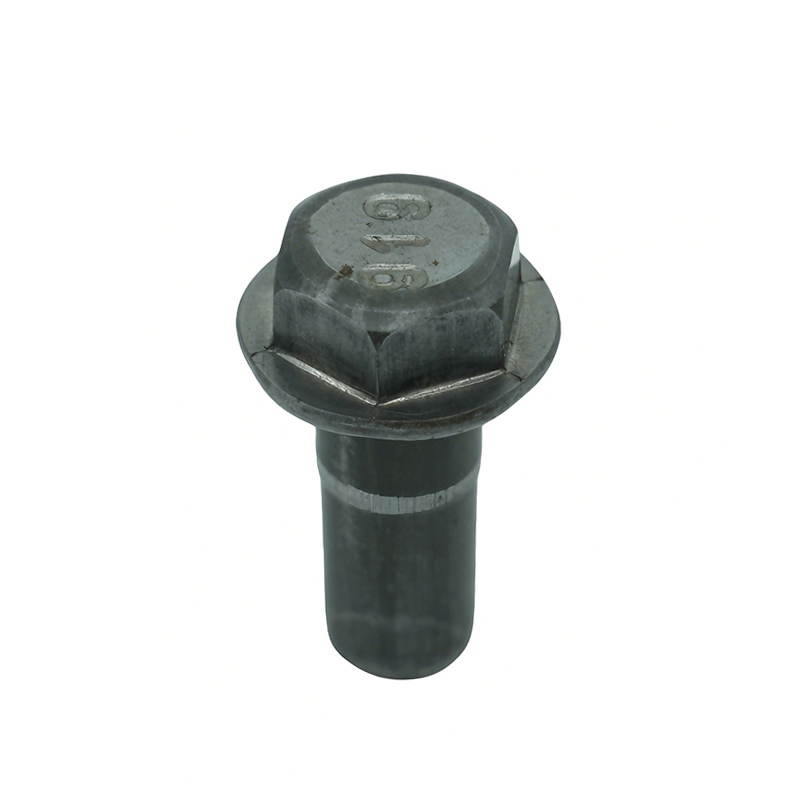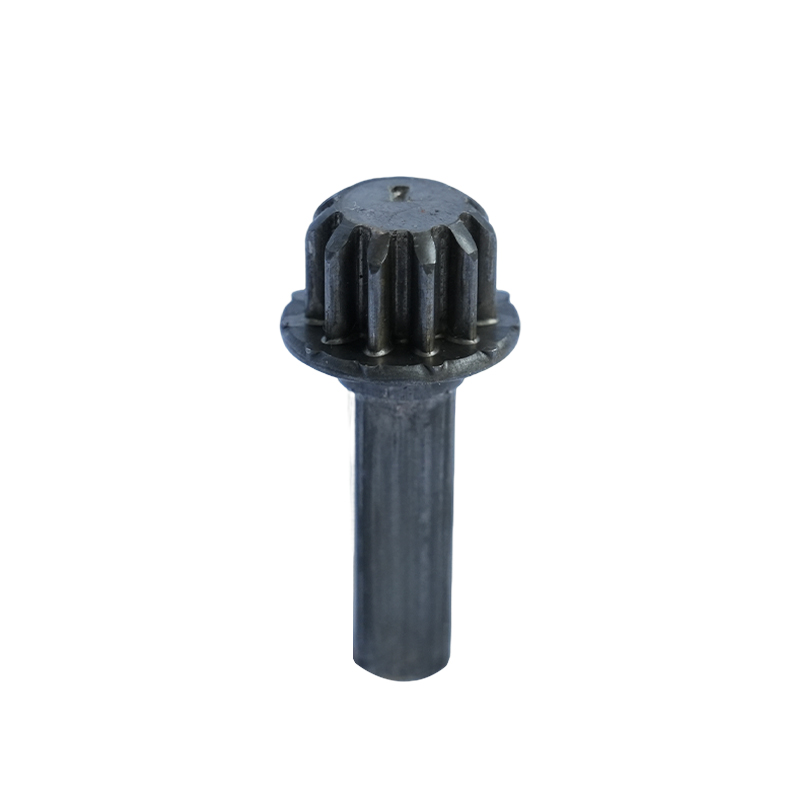

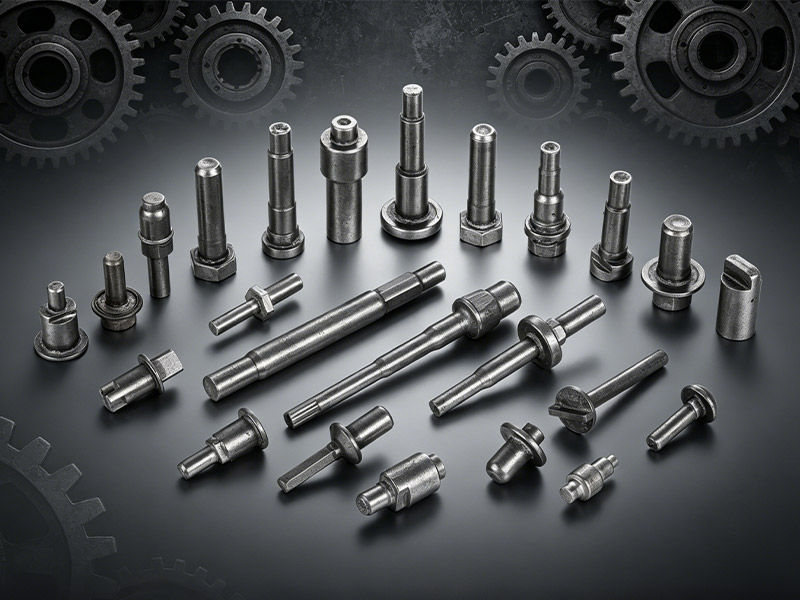
For buyers sourcing high-volume, precision metal components like fasteners, shafts, sleeves, and custom parts, understanding manufacturing processes is key to controlling cost, quality, and lead time. Among the most efficient and cost-effective methods available today is cold heading. This guide explains what cold heading is, how it works, and why it has become the preferred choice for industrial buyers worldwide.
Cold heading is a forging process that shapes metal wire or rod into precise components at room temperature using high-pressure tooling and dies. Instead of cutting or removing material (as in traditional machining), the metal is compressed, extruded, and formed into the desired shape. This material-saving approach is what makes cold heading uniquely efficient for mass production.
One of the biggest advantages is extremely high material utilization — typically between 95% and 99% — greatly reducing waste compared to machining. Cold heading also supports ultra-high-speed, fully automatic production, lowering unit costs significantly. Labor expenses are reduced due to automated operation, while stable forming ensures consistent quality, minimal scrap, and little to no rework. Additionally, forming metal at room temperature consumes less energy than hot forging or casting.
Cold heading is widely used in automotive, machinery, electrical equipment, industrial automation, and hardware industries. It is ideal for standard fasteners as well as complex non-standard components. For buyers, this means better pricing, shorter lead times, and reliable quality for large orders.
In summary, cold heading is more than a manufacturing technology — it is a strategic solution for buyers looking to improve product quality, reduce total costs, and strengthen supply chain stability. Whether sourcing standard parts or developing custom components, understanding cold heading helps buyers make smarter, more profitable sourcing decisions.