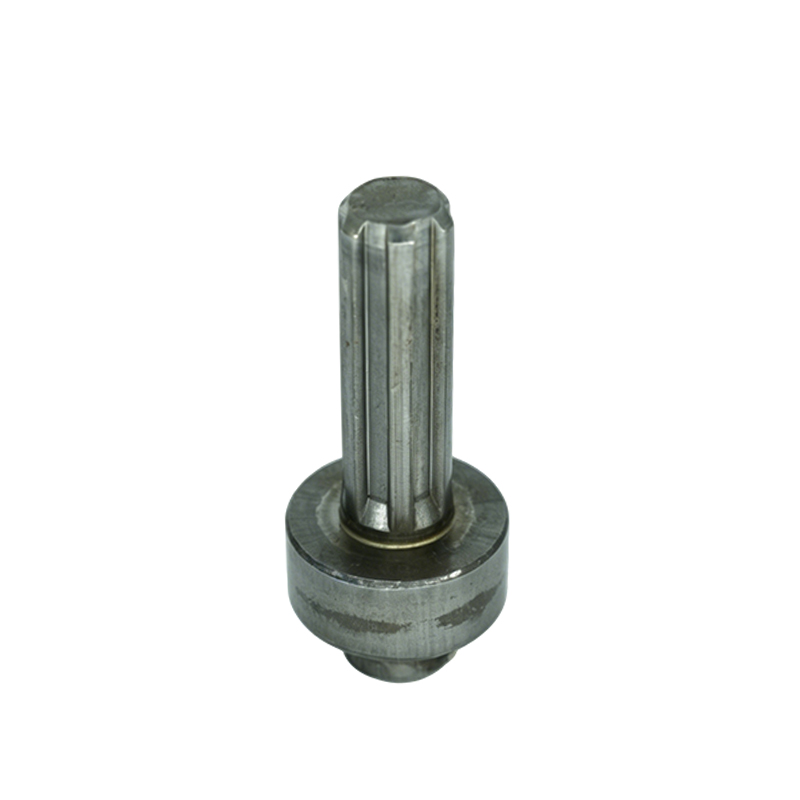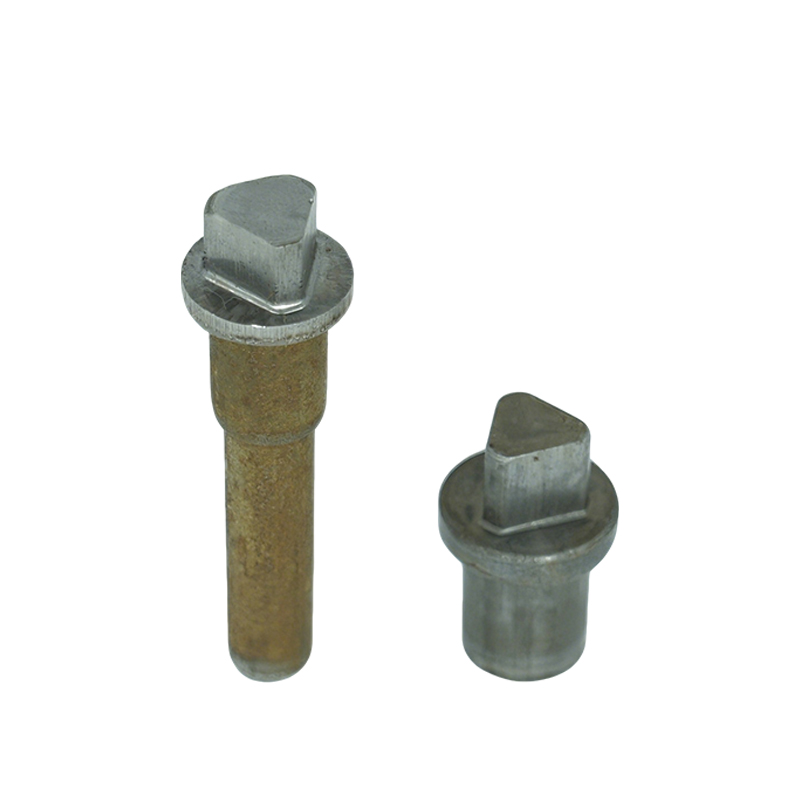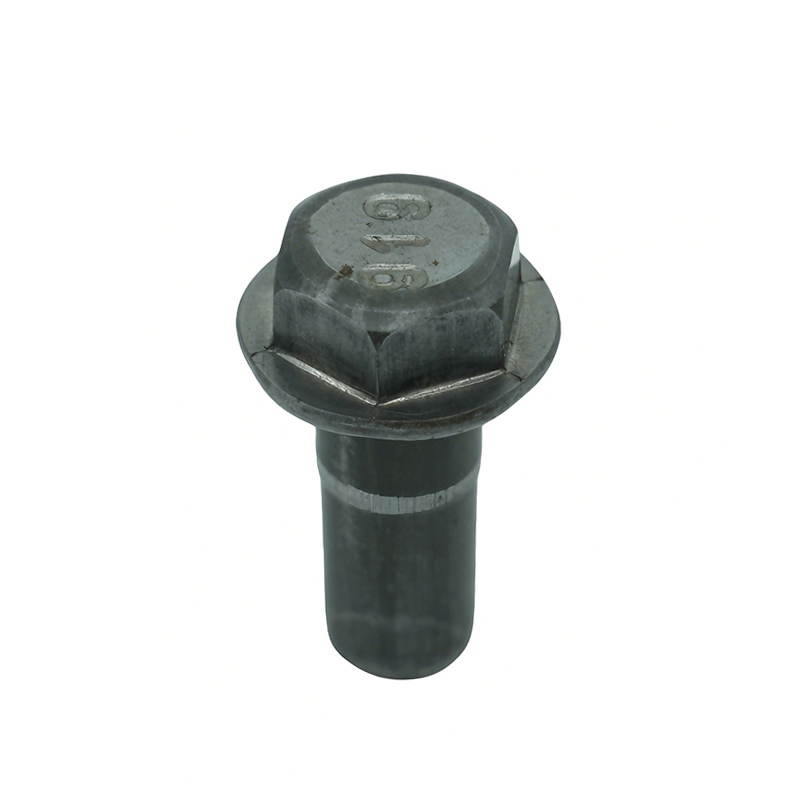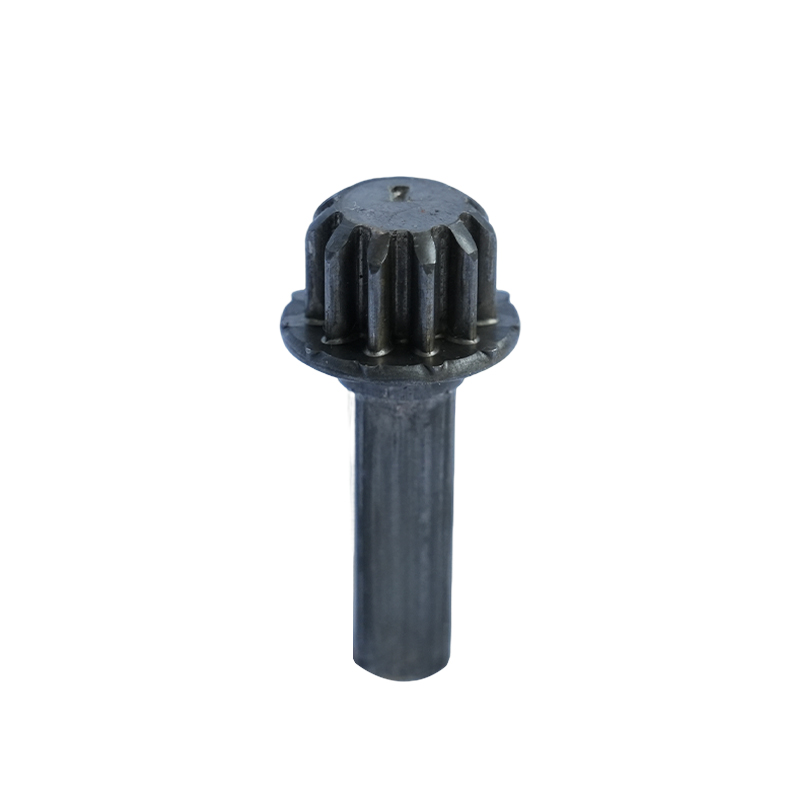

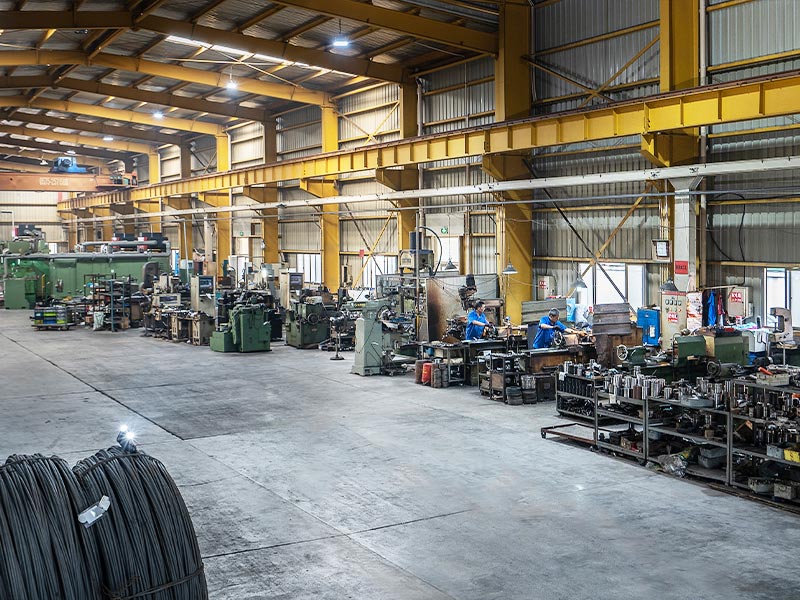
In today’s highly competitive global manufacturing market, companies face relentless price pressure, rising material costs, and growing demand for consistent quality. For producers of fasteners, shafts, sleeves, and custom metal components, protecting profit margins while scaling output has become a top priority. Cold heading has emerged as the most cost-effective manufacturing solution to achieve exactly that.
Unlike traditional machining, which removes material and generates high levels of waste, cold heading forms metal parts at room temperature through high-pressure tooling. This process delivers an exceptional material utilization rate of 95%–99%, drastically cutting material waste compared to conventional methods. Less waste directly translates to lower raw material expenses, a key factor in stabilizing unit costs.
Beyond material efficiency, cold heading offers unmatched production efficiency. Fully automatic and high-speed production lines enable large-volume manufacturing in a shorter cycle, reducing per-part manufacturing costs significantly. With reduced reliance on manual operation, labor expenses are also minimized, further strengthening overall cost control.
Stable process control also leads to minimal rejection rates. High consistency in part dimensions and mechanical properties lowers scrap rates, rework, and after-sales costs. In addition, cold heading consumes less energy compared to hot forging and casting, as it requires no high-temperature heating.
For manufacturers serving automotive, machinery, automation, and other industrial sectors, cold heading delivers a clear competitive advantage. By optimizing material usage, improving productivity, lowering labor and energy costs, and ensuring stable quality, cold heading directly supports healthier profit margins even under heavy market pressure.
As global buyers continue to seek cost-efficient, high-quality component suppliers, cold heading technology will remain essential for manufacturers aiming to maintain profitability, sustain long-term growth, and secure stable partnerships in international markets.