
Introduction
In today’s global manufacturing landscape, fasteners are no longer simple mechanical components. They are critical structural elements used in automotive systems, aerospace assemblies, construction engineering, and heavy machinery equipment.
Among all production technologies, the cold heading process has become the dominant method for high-volume fastener manufacturing due to its unmatched combination of precision, strength enhancement, and cost efficiency.
According to industry reports from global metal forming associations, more than 70% of industrial bolts and screws worldwide are produced using cold forming technologies, especially multi-station cold heading systems. This dominance is driven by increasing demand for lightweight, high-strength, and fatigue-resistant fasteners.
This extended guide explores the cold heading process from an industrial engineering perspective, including material science, tooling standards, production data, defect analysis, automation systems, and global application benchmarks.
Table of Contents
Cold Heading Process Industrial Definition & Engineering Principle
Metallurgical Transformation Concept in Cold Heading Process
The cold heading process is a plastic deformation technique where metal wire is reshaped at room temperature using high-pressure dies.
Core Engineering Principle
- Plastic deformation under compressive stress
- Grain flow realignment without cutting
- Work hardening improves mechanical strength
Industry Standard Classification (ISO & DIN Context)
Fasteners produced via cold heading are commonly governed by:
- ISO 898 (mechanical properties of fasteners)
- DIN 933 / DIN 931 (hex bolts)
- ASTM A307 / A325 (structural bolts)
These standards define tensile strength, yield strength, hardness, and dimensional tolerances.
Advanced Cold Heading Process Workflow (Industrial Production Level)
Step 1: Wire Rod Material Engineering
Metallurgical Selection Concept
Common industrial materials include:
- Low carbon steel (Q195, 1018)
- Medium carbon steel (1045, 10B21)
- Alloy steel (35CrMo, SCM435)
- Stainless steel (304, 316)
Mechanical Property Targets
| Material | Tensile Strength (MPa) | Elongation % |
|---|---|---|
| Low carbon steel | 350–550 | 25–35% |
| Medium carbon steel | 550–850 | 15–25% |
| Alloy steel | 800–1200 | 10–18% |
Step 2: Wire Preparation & Surface Treatment
Industrial Lubrication Concept
Wire surfaces are treated with phosphate coating and lubricants to reduce friction during forming.
Benefits:
- Reduced die wear
- Improved material flow
- Enhanced surface finish
Step 3: Precision Cutting (Blanking System)
Volume Accuracy Control Concept
Cutting systems must ensure:
- Weight tolerance: ±0.5%
- Length precision: ±0.1 mm
Even minor deviation affects final fastener head formation.
Step 4: Multi-Station Forming in Cold Heading Process
Progressive Forming Engineering Concept
Modern machines use 2–6 forming stations:
- Station 1: Pre-forming
- Station 2: Upsetting
- Station 3: Head shaping
- Station 4: Shank forming
- Station 5: Final calibration
Step 5: Thread Forming (Optional Process Integration)
Cold Rolling vs Cutting Concept
- Cold rolling: stronger threads, no material loss
- Cutting: easier but weaker structure
Most high-strength fasteners use cold rolling after heading.
Step 6: Heat Treatment Integration
Mechanical Performance Enhancement Concept
Processes include:
- Quenching
- Tempering
- Stress relief
This ensures compliance with ISO 898 strength classes (8.8, 10.9, 12.9).
Cold Heading Process Equipment System Architecture
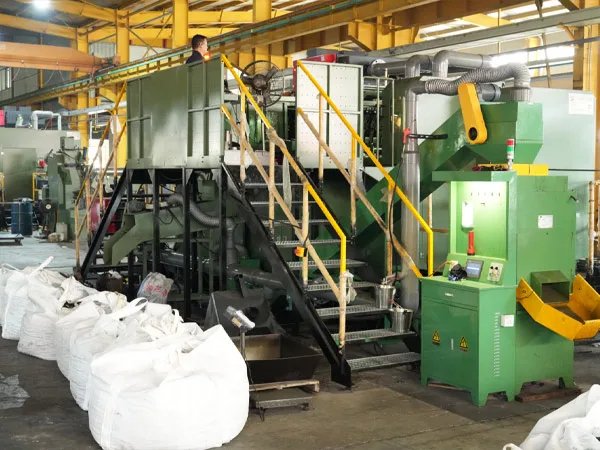
High-Speed Cold Heading Machine System
Industrial Automation Concept
Modern machines operate at:
- Speed: 80–300 pcs/min (depending on fastener size)
- Precision: ±0.02 mm
- Continuous operation: 24/7 industrial production
Multi-Die Progressive Forming System
Tooling Engineering Concept
Dies are made from:
- Tungsten carbide
- High-speed steel (HSS)
- Powder metallurgy alloys
Tool life expectancy:
- Standard dies: 300,000–800,000 cycles
- Premium carbide dies: >1,500,000 cycles
Smart Control System (Industry 4.0 Integration)
Digital Manufacturing Concept
Modern cold heading machines include:
- PLC control systems
- Real-time torque monitoring
- Automatic lubrication system
- AI-based defect detection
Cold Heading Process vs Hot Forging (Deep Industrial Comparison)
Engineering Performance Comparison
| Feature | Cold Heading Process | Hot Forging |
|---|---|---|
| Temperature | Room temp | 900–1200°C |
| Grain structure | Continuous | Recrystallized |
| Strength | Higher (work hardening) | Medium |
| Energy consumption | Low | High |
| Surface quality | Excellent | Moderate |
| Production speed | Very high | Medium |
Industrial Selection Logic
Cold heading is preferred when:
- High-volume production required
- Tight dimensional tolerance needed
- High fatigue resistance required
Hot forging is used when:
- Large structural parts required
- Complex geometries beyond cold forming limits
Cold Heading Process Defects & Industrial Solutions
Cracking Defect Analysis
Material Stress Failure Concept
Caused by excessive deformation beyond ductility limits.
Solutions:
- Optimize reduction ratio
- Improve material annealing
- Adjust die radius
Folding Defect (Lap Formation)
Metal Flow Instability Concept
Occurs when material flow is uneven during upsetting.
Solutions:
- Improve lubrication
- Redesign punch geometry
Eccentricity Defect
Alignment Precision Concept
Caused by misalignment of punch and die system.
Solutions:
- CNC calibration
- Guide sleeve optimization
Industrial Cost Structure of Cold Heading Process
Manufacturing Cost Distribution Model
| Cost Component | Percentage |
|---|---|
| Raw material | 55–70% |
| Machine operation | 10–15% |
| Tooling system | 10–20% |
| Labor | 5–10% |
Cost Reduction Mechanism
Cold heading reduces cost through:
- Near-net shape forming
- Minimal machining waste
- High automation level
- Reduced energy consumption
Industry Case Study: Automotive Fastener Production Line
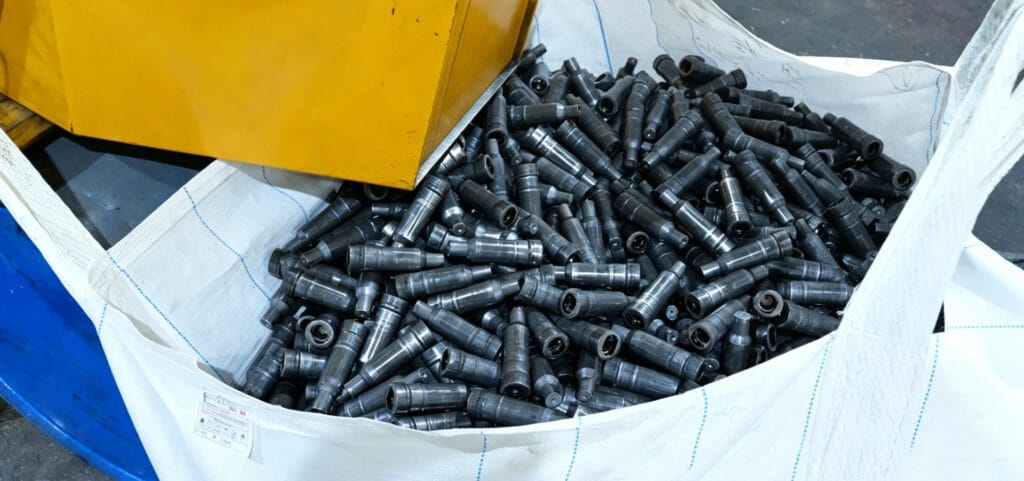
OEM Fastener Manufacturing Project
A Tier-1 automotive supplier implemented a 6-station cold heading system.
Production Results
- Output: 120 pcs/min average
- Defect rate: <0.8%
- Material waste reduction: 35%
- Production efficiency increase: 42%
Global Market Trend Analysis (Fastener Industry Report Insight)
Demand Growth Drivers
- Electric vehicle expansion
- Infrastructure construction boom
- Aerospace lightweight materials demand
- Renewable energy equipment installation
Industry White Paper Insight
According to metal forming industry publications:
- Cold formed fasteners dominate automotive applications (>75%)
- Asia accounts for >60% of global production capacity
- Demand for high-strength bolts (10.9–12.9 grade) is increasing annually
Cold Heading Process in Smart Manufacturing Era
Industry 4.0 Integration Concept
Modern factories integrate:
- IoT-based machine monitoring
- Predictive maintenance systems
- Cloud production tracking
- AI defect detection algorithms
Digital Twin Simulation Concept
Before production, virtual simulation is used to:
- Predict material flow behavior
- Optimize die geometry
- Reduce trial-and-error cost
FAQ
What is the main advantage of the cold heading process?
It enables high-speed production with excellent mechanical strength and minimal material waste.
Which materials are suitable for cold heading?
Carbon steel, alloy steel, and stainless steel with sufficient ductility.
What is the typical speed of cold heading machines?
Between 80 and 300 parts per minute depending on part complexity.
What industries use cold heading fasteners?
Automotive, aerospace, construction, machinery, and energy sectors.
What is the limitation of cold heading process?
It is not suitable for extremely large or highly complex geometries.
What is cold heading process in simple terms?
It is a manufacturing method that shapes metal wire into fasteners using high pressure without heating.
Why is cold heading stronger than machining?
Because it preserves grain flow and improves material strength through deformation.
What fasteners are made by cold heading?
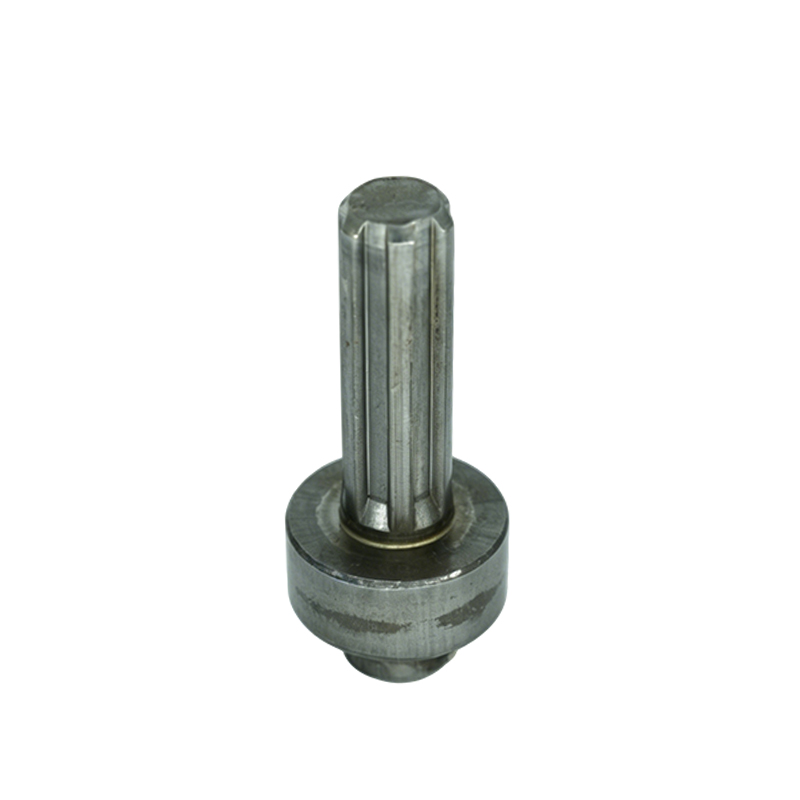
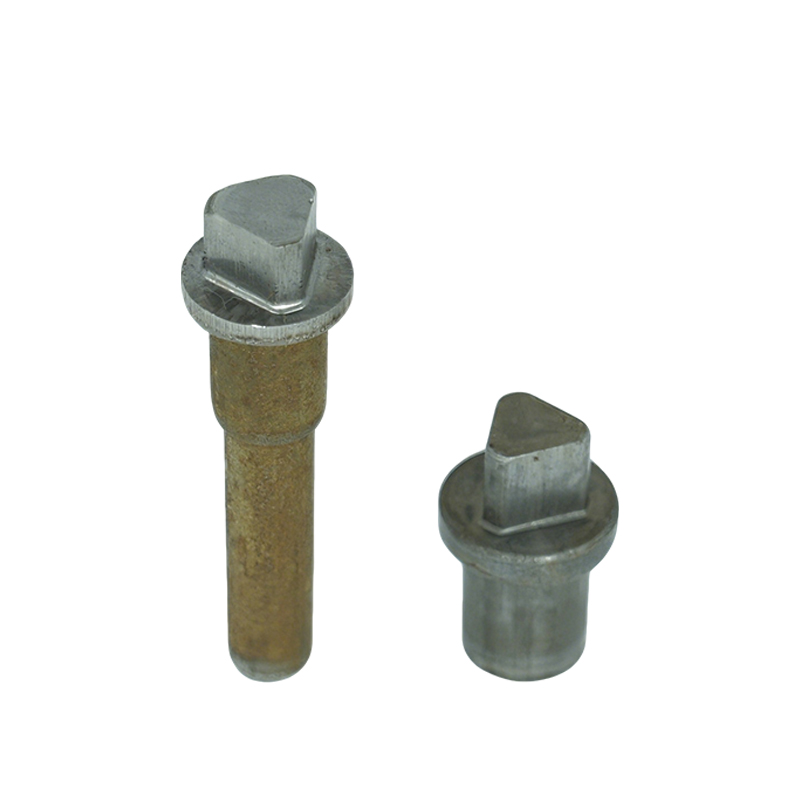
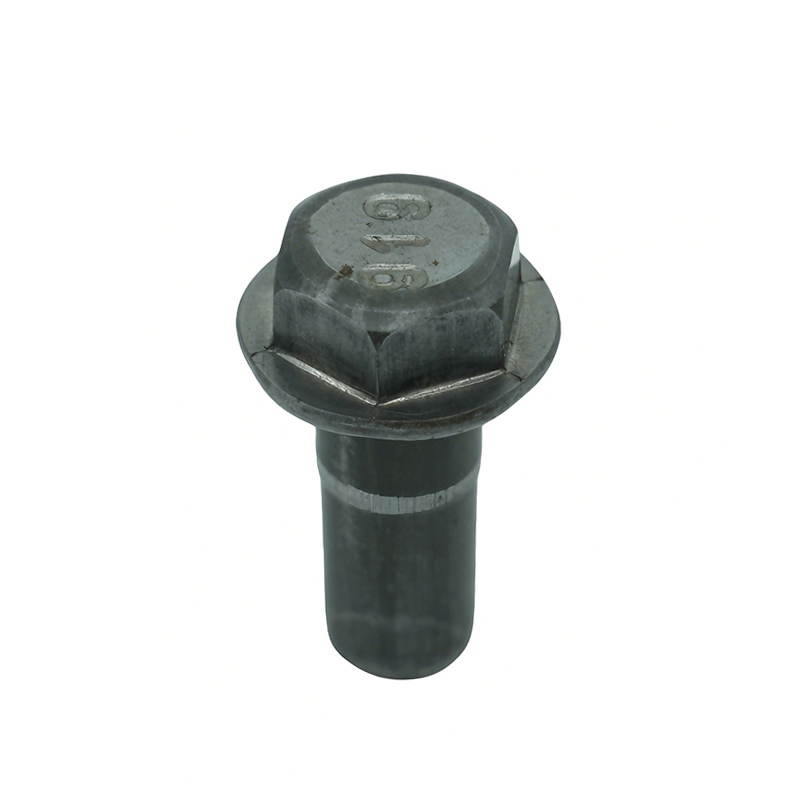
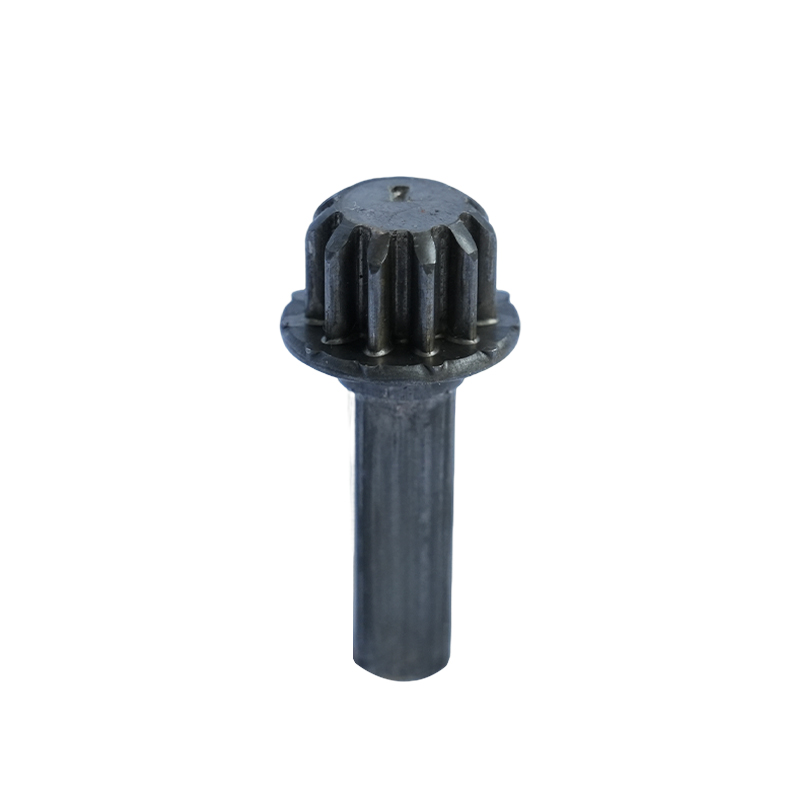
Bolts, screws, rivets, pins, and many industrial fasteners.
Is cold heading cost-effective?
Yes, especially for mass production due to low waste and high efficiency.
Conclusion
The cold heading process is a cornerstone of modern fastener manufacturing, enabling high-speed, high-strength, and cost-efficient production across global industries.
With advancements in automation, digital monitoring, and precision tooling systems, cold heading technology continues to evolve toward smarter, more efficient, and more sustainable manufacturing solutions.
For manufacturers aiming to compete in high-value industrial markets, mastering cold heading technology is no longer optional—it is a core production capability.