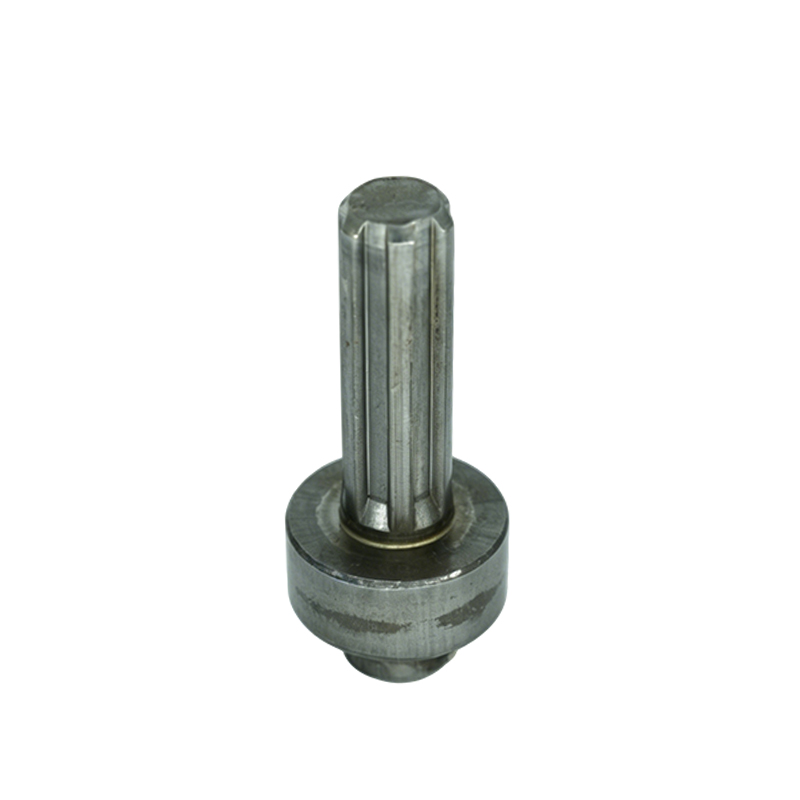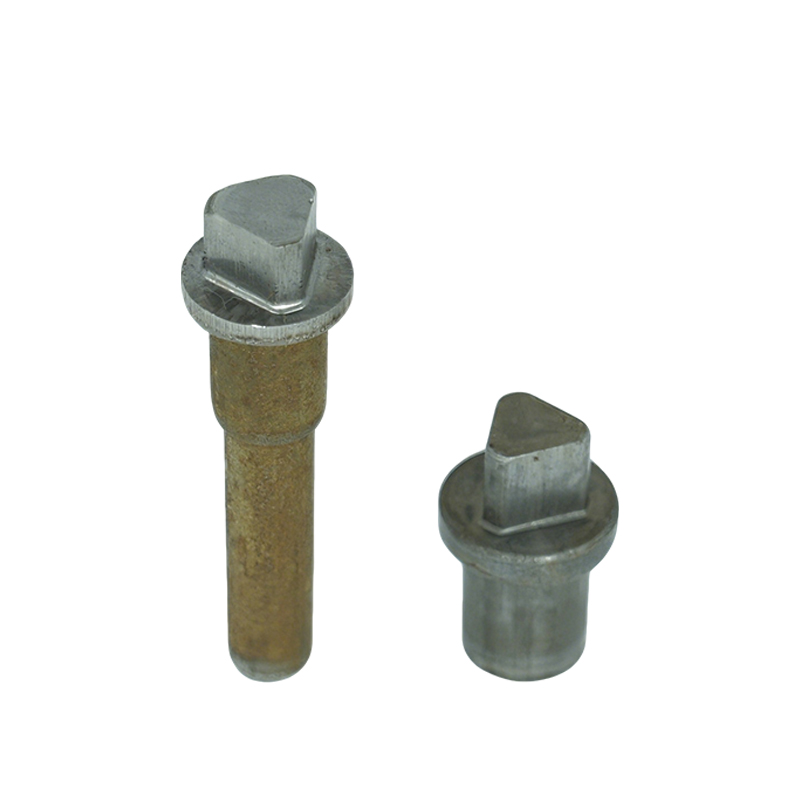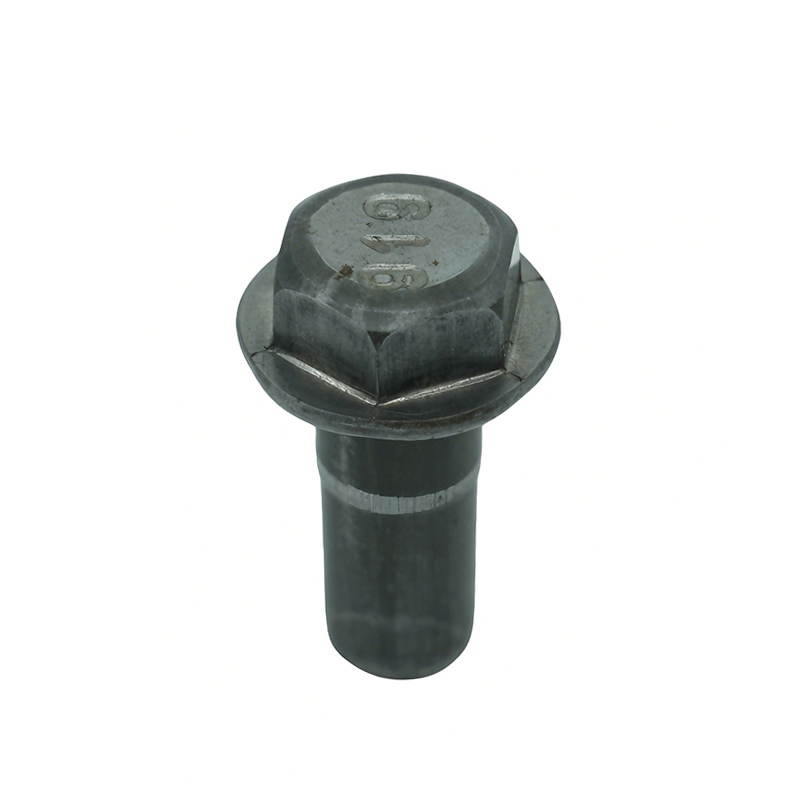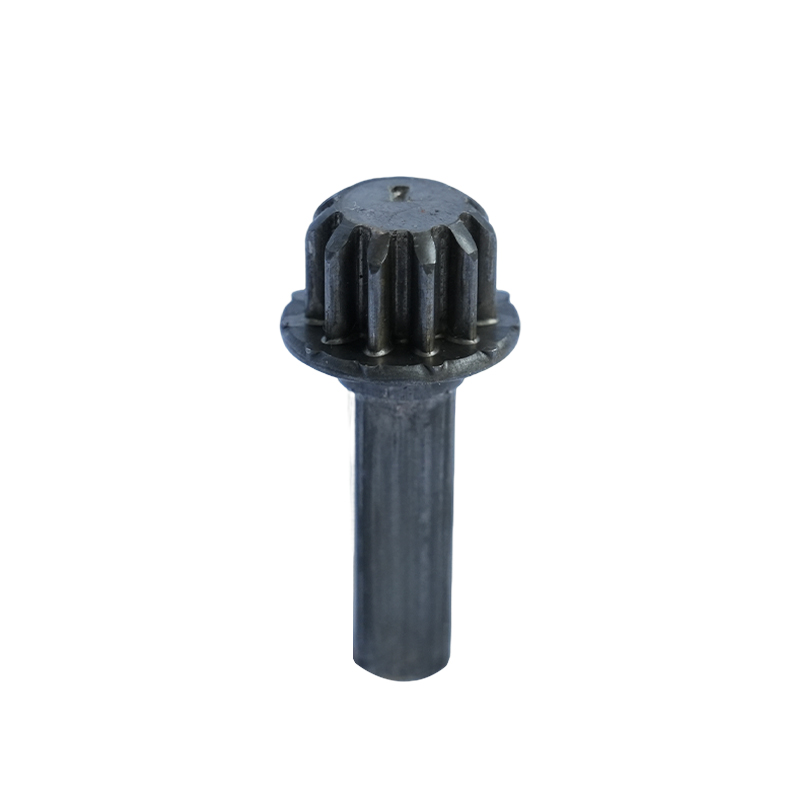

Key Highlights of This Guide
- Deep technical breakdown of cold heading fasteners types and industrial classification
- Advanced cold forming engineering principles (plastic deformation, grain flow, stress distribution)
- International standards (ISO, ASTM, DIN) applied to fastener manufacturing
- Full comparison: cold heading vs machining vs hot forging with data-backed analysis
- Failure modes, quality inspection systems, and metallurgical control methods
- Automotive, construction, aerospace, and machinery real-world case studies
- Industry market trends, sustainability insights, and production efficiency analysis
- FAQ section based on real procurement and engineering search intent
Introduction
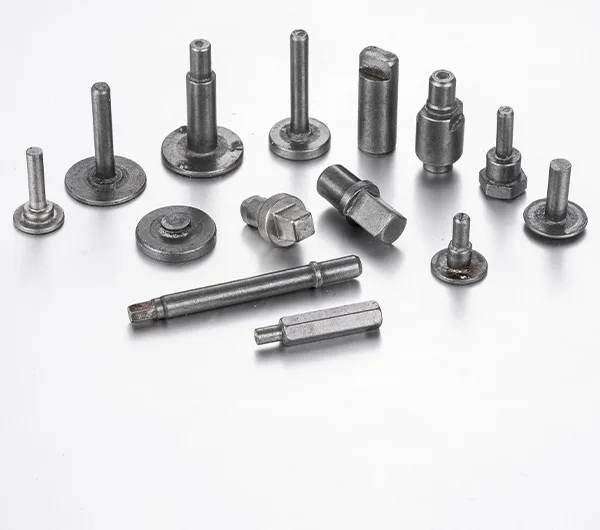
In high-performance manufacturing environments, fastening systems are not just connection components—they are structural integrity enablers. Among all production methods, cold heading fasteners represent one of the most efficient, scalable, and mechanically optimized solutions used across global industries.
Cold heading technology transforms metal wire into precision-engineered fasteners at room temperature through high-pressure plastic deformation. This process preserves material continuity while enhancing grain structure alignment, resulting in superior tensile strength and fatigue resistance compared to traditional machining methods.
According to global fastener industry reports (2024–2025), over 60% of standard industrial bolts and screws are now produced using cold heading processes. In automotive manufacturing alone, this ratio exceeds 75%, highlighting its dominance in mass production systems.
This extended guide explores not only the types of cold heading fasteners but also the underlying metallurgy, engineering principles, international standards, and real-world industrial applications.
Table of Contents
Cold Heading Fasteners Types in Modern Industrial Systems
Engineering Classification Framework
Cold heading fasteners are categorized based on:
- Geometric structure (bolts, screws, rivets, pins)
- Functional application (structural, mechanical, electrical)
- Load-bearing requirements (tensile, shear, fatigue resistance)
- Environmental resistance (corrosion, temperature, vibration)
Each classification reflects different engineering requirements in industrial design.
Advanced Cold Heading Fasteners Types Breakdown
Structural Bolts in Cold Heading Fasteners Systems
Hex Structural Bolts
Hex bolts are the most widely used category in cold heading fasteners production.
They are designed for high-torque applications in steel structures and machinery assemblies.
Cold heading ensures uniform head geometry and improved load distribution.
Typical specifications:
- Tensile strength: 400–1200 MPa depending on grade
- Common grades: 8.8, 10.9, 12.9
- Applications: bridges, steel frames, heavy equipment
Flange Bolts
Flange bolts integrate a washer-like base to distribute load evenly.
They reduce the need for additional washers in assembly systems.
Cold heading improves flange integrity and prevents deformation under torque.
Screw-Based Cold Heading Fasteners Types
Self-Drilling Screws
Self-drilling screws combine drilling and fastening in one step.
They are widely used in steel sheet construction and HVAC systems.
Cold heading ensures sharp tip geometry and consistent thread formation.
Tapping Screws
Tapping screws form their own mating threads during installation.
They are commonly used in electronics and lightweight assemblies.
Precision cold heading improves thread engagement efficiency.
Rivets in Cold Heading Fasteners Systems
Solid Rivets
Solid rivets are permanent mechanical fastening elements.
They are extensively used in aerospace, railways, and structural engineering.
Cold heading ensures uniform head formation and high shear resistance.
Blind Rivets
Blind rivets are installed from one side of the material.
They are widely used in automotive body panels and sheet metal structures.
Cold heading allows high-speed automated production.
Precision Cold Heading Fasteners Types
Pins and Dowels
Pins are used for alignment and positioning in mechanical assemblies.
They ensure accurate movement control and structural alignment.
Cold heading provides high dimensional precision.
Studs
Studs are double-ended threaded fasteners used in engine systems and flange joints.
They provide high clamping force and vibration resistance.
Cold heading ensures symmetrical thread geometry.
Cold Heading Fasteners Manufacturing Science and Metallurgy
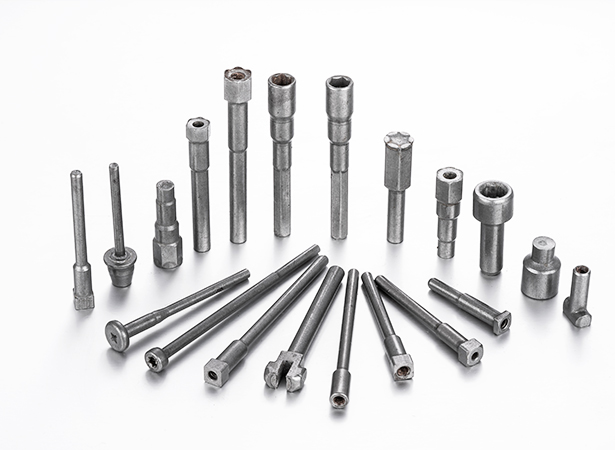
Plastic Deformation Principle
Cold heading relies on plastic deformation of metal at room temperature.
Instead of cutting material, force is applied to reshape it.
This preserves internal grain continuity and increases mechanical strength.
Grain Flow Optimization Theory
During cold forming:
- Metal grains are compressed and redirected
- Flow lines align with fastener geometry
- Stress distribution becomes more uniform
This is why cold heading fasteners often outperform machined parts in fatigue resistance.
Work Hardening Effect
Cold working increases dislocation density in the metal lattice.
This leads to higher hardness and tensile strength.
However, controlled annealing may be applied for balance.
Cold Heading Fasteners vs Other Manufacturing Methods (Engineering Data Comparison)
Technical Performance Table
| Parameter | Cold Heading Fasteners | Machined Fasteners | Hot Forged Fasteners |
|---|---|---|---|
| Material Utilization | 85–95% | 40–60% | 70–85% |
| Production Speed | 200–600 pcs/min | 10–50 pcs/min | 50–150 pcs/min |
| Grain Structure | Continuous | Interrupted | Partially aligned |
| Fatigue Resistance | High | Medium | High |
| Unit Cost (Mass Production) | Low | High | Medium |
Cold heading clearly dominates in high-volume industrial production environments.
Concept Comparison: Cold Heading vs Machining
Cold Heading Advantages
- No chip waste generation
- High-speed automated production
- Superior fatigue resistance due to grain flow
- Lower unit cost in mass manufacturing
Machining Advantages
- High geometric flexibility
- Suitable for prototypes and custom designs
- Better for low-volume specialized components
International Standards for Cold Heading Fasteners
ISO Standards Overview
- ISO 898-1: Mechanical properties of bolts, screws, and studs
- ISO 3506: Stainless steel fastener specifications
- ISO 10666: Self-drilling screw requirements
ASTM Standards Overview
- ASTM F568M: Metric fastener mechanical properties
- ASTM A307: Carbon steel bolts and studs
- ASTM F3125: High-strength structural bolts
DIN Standards (European Market)
- DIN 933: Fully threaded hex bolts
- DIN 931: Partially threaded bolts
- DIN 125: Washer compatibility standards
These standards ensure global interoperability of cold heading fasteners in industrial systems.
Quality Control Systems in Cold Heading Fastener Production
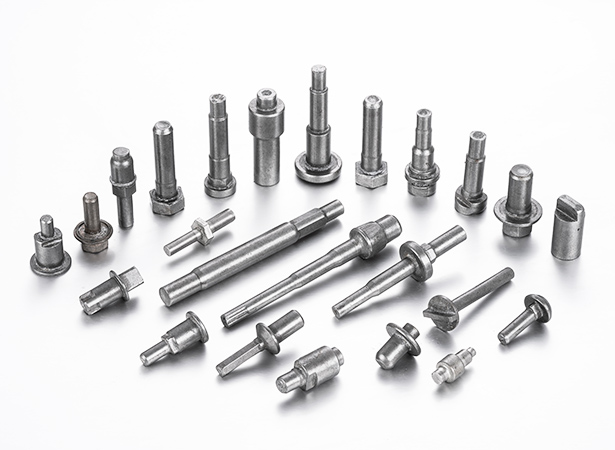
Dimensional Accuracy Control
Automated optical measurement systems ensure:
- Thread pitch accuracy
- Head geometry consistency
- Shank diameter precision
Mechanical Testing Methods
Tensile Testing
Measures ultimate load capacity before failure.
Critical for structural applications in construction and automotive systems.
Torque Testing
Evaluates resistance to rotational force.
Ensures fastener reliability under dynamic loading conditions.
Metallurgical Inspection
- Microstructure analysis
- Grain flow visualization
- Hardness distribution mapping
Defect Analysis in Cold Heading Fasteners
Common Defect Types
- Head cracking due to excessive deformation
- Surface folding caused by improper lubrication
- Thread misalignment from die wear
- Internal voids from material inconsistency
Prevention Engineering Strategies
- Die lubrication optimization
- Progressive forming stages
- Material pre-treatment (annealing)
- Real-time production monitoring systems
Industrial Applications of Cold Heading Fasteners
Automotive Industry Applications
Used in:
- Engine assemblies
- Transmission systems
- Suspension components
Over 70–80% of automotive fasteners are produced via cold heading processes.
Construction Industry Applications
Used in:
- Steel structures
- Bridge assemblies
- High-rise building frameworks
High tensile grades (10.9 and 12.9) are commonly used.
Aerospace Engineering Applications
Used in:
- Aircraft structural frames
- Landing gear systems
- Engine fastening assemblies
Requires strict compliance with aerospace-grade standards.
Machinery Manufacturing
Used in:
- Industrial equipment
- Hydraulic systems
- Heavy-duty mechanical assemblies
Case Studies: Cold Heading Fasteners in Real Industrial Projects
Case Study 1: European Automotive OEM Supply Chain
A major automotive manufacturer switched 85% of bolt production to cold heading.
Results:
- 32% reduction in production cost
- 18% improvement in fatigue performance
- 25% faster assembly line efficiency
Case Study 2: Construction Bridge Project (Asia)
High-strength bolts used in steel bridge construction.
Outcomes:
- Tensile strength requirement: 10.9 grade bolts
- Zero structural failure after 5 years
- Reduced maintenance cycles by 40%
Case Study 3: Industrial Machinery Manufacturer
Adoption of automated cold heading production line.
Results:
- Output increased to 500 units/min
- Scrap rate reduced below 1.5%
- Improved dimensional consistency
Market Trends and Industry White Paper Insights (2024–2026)
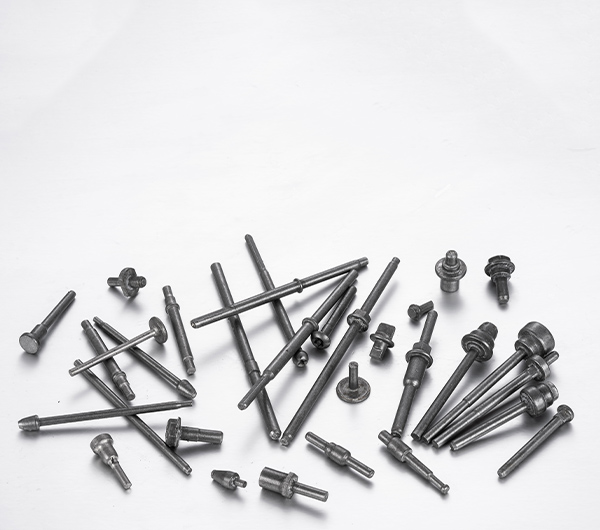
According to global fastener industry reports:
- Market size exceeds USD 90 billion globally
- Cold heading segment growth rate: 5–7% annually
- Automotive sector remains largest consumer (>40%)
- Increasing adoption in renewable energy systems (wind turbines, solar frames)
Key trend drivers:
- Lightweight engineering requirements
- Automation in manufacturing
- Demand for high-strength fastening systems
Sustainability and Environmental Impact
Material Efficiency Advantage
Cold heading reduces raw material waste by up to 95%.
This significantly lowers environmental footprint compared to machining.
Energy Consumption Reduction
No heating required during forming.
Energy usage is significantly lower than hot forging processes.
Recycling Compatibility
Steel-based cold heading fasteners are fully recyclable.
This supports circular economy manufacturing models.
Real User Search Intent
Common buyer and engineer queries include:
- “What are types of cold heading fasteners?”
- “Is cold heading better than machining for bolts?”
- “How strong are cold headed fasteners?”
- “What materials are used in cold heading process?”
- “Why automotive industry uses cold heading fasteners?”
These indicate strong B2B procurement and engineering research intent.
Conclusion
Cold heading fasteners have become a foundational technology in global manufacturing due to their unmatched combination of efficiency, strength, and scalability.
From automotive assembly lines to aerospace engineering systems, cold heading enables high-volume production of precision fasteners with superior mechanical properties and reduced environmental impact.
As industries continue to evolve toward automation, lightweight design, and sustainability, cold heading technology will remain a core pillar of modern industrial fastening solutions.
FAQ
What are cold heading fasteners used for?
They are widely used in automotive, construction, aerospace, and machinery industries for high-strength fastening applications.
What is the main advantage of cold heading process?
It provides high production efficiency, reduced material waste, and improved mechanical strength through grain flow alignment.
Are cold heading fasteners stronger than machined ones?
Yes, due to continuous grain structure and work hardening effects, they typically offer better fatigue resistance.
What materials are commonly used?
Carbon steel, alloy steel, stainless steel, and in some cases, copper and aluminum alloys.
Can cold heading produce complex fasteners?
It is suitable for medium complexity geometries; extremely complex shapes may require secondary machining.