Table of Contents
Key takeaways:
- Standard hardware should normally be the first option when an existing bolt, screw, nut, pin, or washer can meet the required dimensions, load, installation, and environmental conditions.
- Non standard fasteners become more valuable when the assembly requires special dimensions, restricted installation space, integrated functions, unusual materials, controlled orientation, or application-specific geometry.
- The lowest fastener piece price does not always create the lowest assembly cost.
- A customized component can sometimes replace a bolt, washer, spacer, sleeve, locating pin, or anti-rotation feature with one formed part.
- Non standard fasteners are not limited to very high production volumes. Tool complexity, recurring demand, machining requirements, assembly savings, and program life all affect the economic break-even point.
- A standard fastener that requires repeated machining, welding, added washers, special spacers, or manual adjustment may ultimately be less efficient than a purpose-designed component.
- Cold heading is particularly suitable when custom heads, flanges, shoulders, shafts, sleeves, recesses, and other repeatable features can be formed directly from wire.
- Buyers should evaluate total lifecycle cost rather than comparing only tooling investment and unit price.
- Critical dimensions, mechanical properties, surface treatment, installation method, annual quantity, and quality documentation should be defined before custom tooling begins.
- Standardization remains valuable. Customization should solve a measurable engineering, assembly, quality, or supply-chain problem rather than being used simply because a unique design is possible.
Introduction
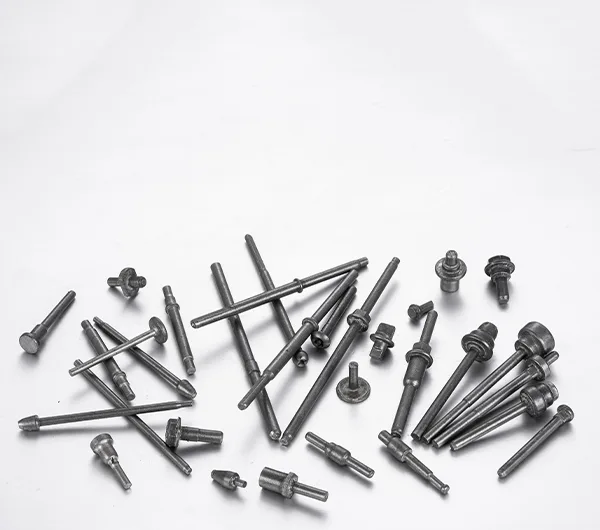
Standard bolts, screws, nuts, pins, washers, and other hardware are used throughout industrial manufacturing for a good reason. Their dimensions are widely understood, multiple suppliers may be available, engineering data is easier to reference, and replacement is usually straightforward.
For many applications, standard hardware is exactly the right solution.
Problems begin when engineers attempt to force a standard component into an assembly that was never designed around it.
The result may require an additional washer to increase the bearing area, a spacer to control distance, machining to create a shoulder, a secondary slot for anti-rotation, a special sleeve to guide assembly, or additional manual operations on the production line.
At that point, the real purchasing question changes.
Instead of asking:
“Can we find a standard bolt that is close enough?”
A more useful question is:
“Would non standard fasteners reduce the total complexity of this assembly?”
A fastener is fundamentally a hardware device used to mechanically join or affix objects together. However, modern industrial fasteners can also locate, space, guide, transmit torque, resist rotation, support automated installation, or integrate with surrounding components.
International standards define many standardized fastener geometries. For example, ISO 4014:2022 specifies characteristics for metric hexagon head bolts, while ISO 4017:2022 covers metric hexagon head screws. These standardized products provide an efficient solution when their dimensional and functional ranges match the application.
Non standard fasteners serve a different purpose. They are developed around the assembly rather than requiring the assembly to conform to an existing catalog component.
This guide explains where that distinction matters and how buyers can determine whether customization will actually provide enough engineering or economic value to justify dedicated tooling.
What Are Non Standard Fasteners?
Non standard fasteners are fastening or connection components whose dimensions, geometry, materials, properties, or functional features do not fully follow a commonly available standard catalog configuration.
They may still use standardized elements such as metric threads, material grades, or mechanical-property classes while incorporating application-specific geometry elsewhere.
Made-to-Drawing Components
A made-to-drawing fastener is manufactured according to a customer-controlled engineering drawing.
Controlled geometry
The drawing may define:
- Special head diameter
- Custom head height
- Unusual flange
- Shoulder diameter
- Shoulder length
- Partial thread
- Reduced shank
- Stepped shaft
- Special recess
- Anti-rotation flats
- Square or polygonal section
- Pilot end
- Integrated sleeve
- Hollow section
- Custom slot
- Special overall length
A component does not need to be completely unique to qualify as non-standard. Even changing one functional dimension outside a standard range can make a catalog substitute unsuitable.
Application-Specific Fasteners
Some non standard fasteners are designed around a particular assembly or mechanism.
Functional geometry
Instead of performing only a clamping function, the part may also:
- Locate another component
- Maintain spacing
- Guide movement
- Prevent rotation
- Transfer torque
- Provide a pivot
- Support a bearing
- Act as an installation stop
- Control insertion depth
- Provide an electrical contact
- Interface with automated assembly equipment
This is where customization begins to affect the wider assembly rather than only the fastener itself.
Custom Cold-Headed Components
Cold heading allows metal to be redistributed through punches and dies instead of extensively removed by machining.
For suitable geometries, this makes it possible to form heads, flanges, shafts, shoulders, recesses, sleeves, and other repeatable features directly into the component.
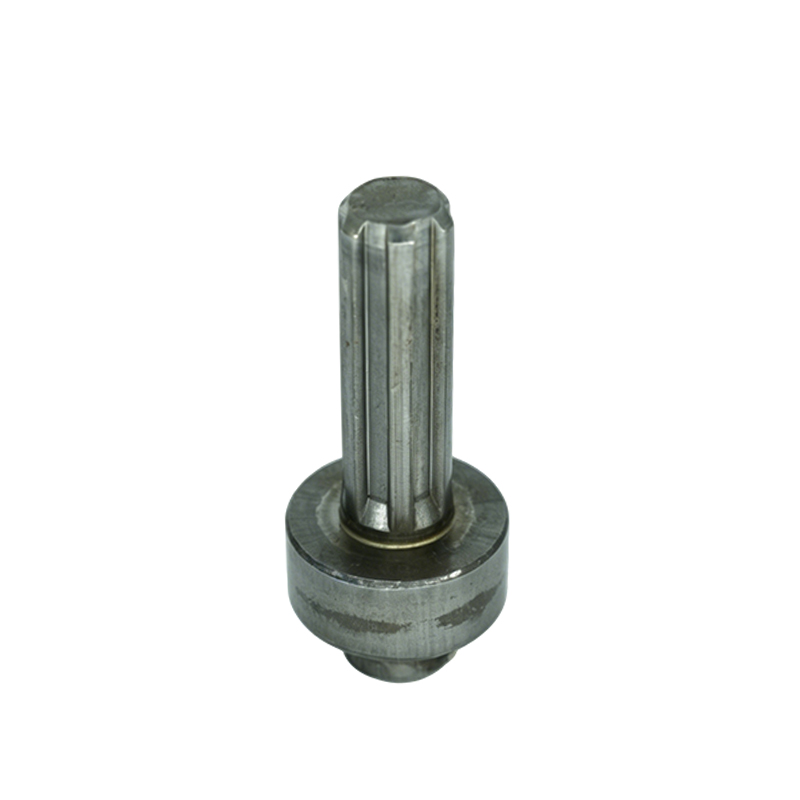
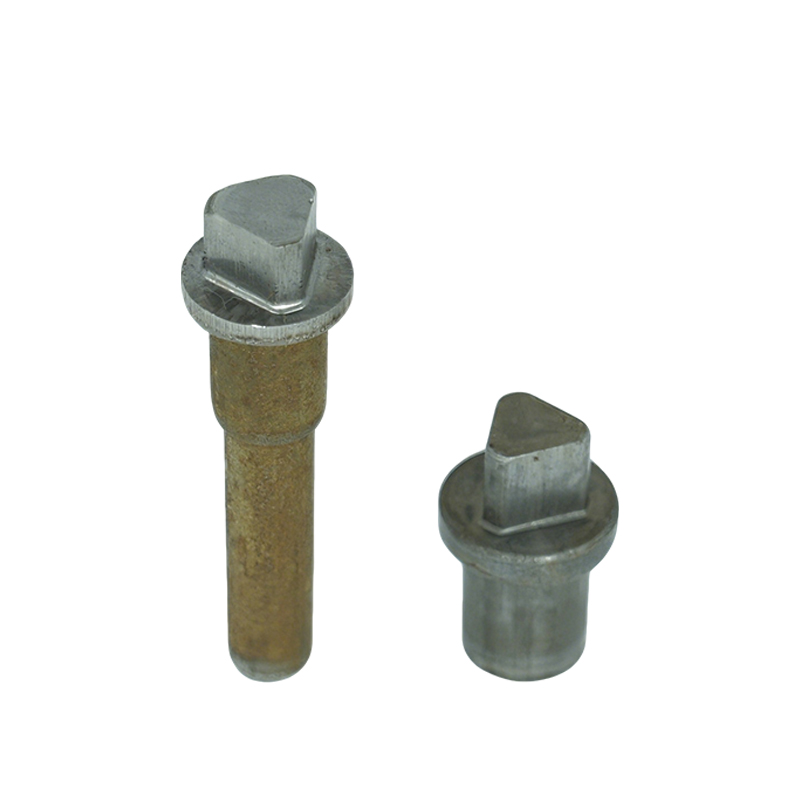
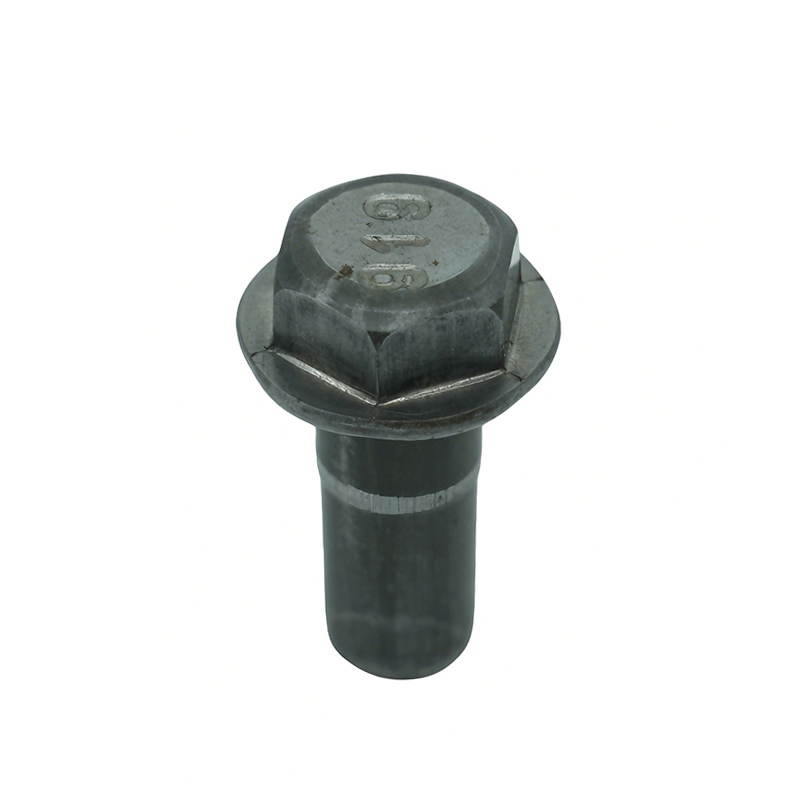
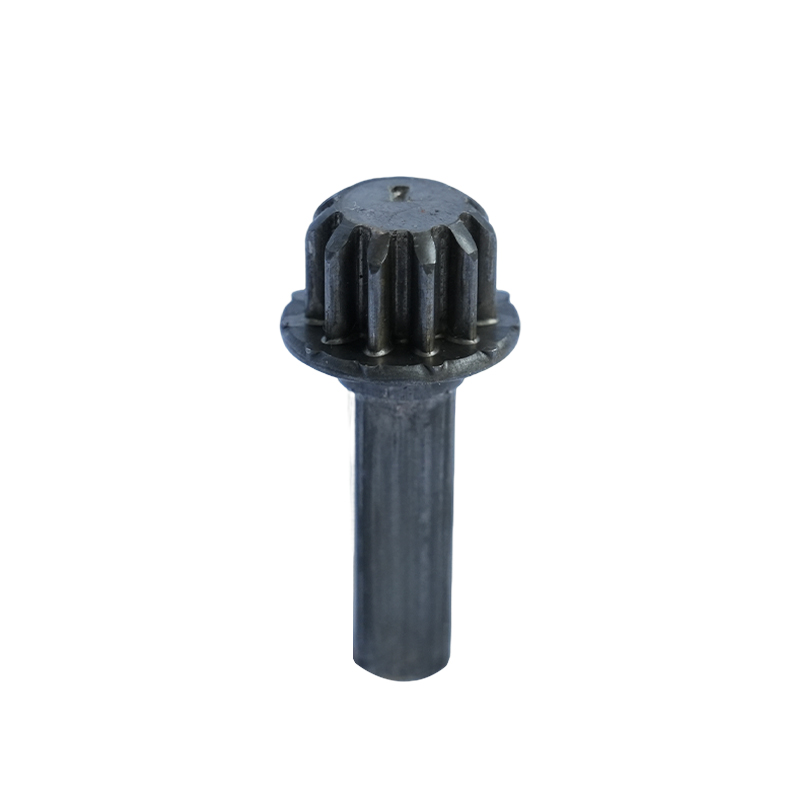
Romy Metal’s Custom Cold Heading Solutions focus on drawing- and application-based components such as non-standard sleeves and bushings, special-shaped shafts, polygonal parts, long-rod components, and other custom cold-headed parts.
What Is Standard Hardware?
Standard hardware follows established dimensional or product specifications.
Typical categories include:
- Hex bolts
- Hex screws
- Socket screws
- Machine screws
- Set screws
- Studs
- Nuts
- Washers
- Rivets
- Pins
- Standard threaded rods
Defined Geometry
A standard specifies important characteristics such as dimensions, thread relationships, head geometry, product grade, and applicable size range.
Example: hexagon head bolts
ISO 4014:2022 defines characteristics for steel and stainless-steel metric hexagon head bolts across specified coarse-thread ranges and product grades.
Using a defined standard can simplify drawing preparation and supplier communication.
Instead of dimensioning every basic feature, an engineer can reference the relevant standard and add only the application-specific requirements.
Defined Mechanical Requirements
Product geometry and mechanical properties are not necessarily governed by the same document.
For carbon-steel and alloy-steel bolts, screws, and studs, ISO 898-1 specifies mechanical and physical properties for defined property classes under its stated conditions.
A drawing may therefore combine:
- Product geometry standard
- Mechanical property standard
- Thread requirement
- Surface coating specification
- Customer-specific requirements
Defined Tolerances
Fastener tolerances may also be controlled through relevant standards.
ISO 4759-1 defines selected tolerances for bolts, screws, studs, and nuts in product grades A, B, and C and remains a current published standard following its latest ISO review.
Standardization can therefore reduce engineering effort when the application genuinely fits within these established limits.
Non Standard Fasteners vs Standard Hardware
The choice should be based on assembly requirements rather than on the assumption that one approach is always better.
| Decision factor | Standard hardware | Non standard fasteners |
|---|---|---|
| Geometry | Defined by established product dimensions | Developed around the application |
| Availability | Usually easier to source | Requires a qualified manufacturing source |
| Initial engineering | Relatively low | Requires drawing and DFM review |
| Dedicated tooling | Usually unnecessary for the buyer | Often required |
| Design flexibility | Limited to available configurations | High |
| Head and flange design | Standardized | Can be application-specific |
| Shoulder dimensions | Limited available combinations | Can match exact assembly requirements |
| Functional integration | Usually one primary fastening function | Multiple functions may be combined |
| Material selection | Common commercial grades | Can be tailored to application needs |
| Surface treatment | Common standard options | Can be customized |
| Installation space | Assembly must accommodate the fastener | Fastener can be designed around available space |
| Automated feeding | Depends on standard geometry | Geometry can be optimized for orientation and feeding |
| Secondary operations | May be required to modify standard hardware | Features can sometimes be integrated during forming |
| Tooling investment | Low or none | Higher initial investment |
| High-volume economics | Good | Can become very strong when properly designed |
| Engineering changes | Easy when another standard size works | May require tool modification |
| Replacement availability | Generally strong | Requires supply planning |
| Lifecycle optimization | Focused on component purchase | Can optimize component and assembly together |
The main conclusion is simple:
Use standard hardware when it fully satisfies the engineering requirement.
Consider non standard fasteners when adapting the assembly to the standard component creates greater complexity than adapting the component to the assembly.
When Should You Use Standard Hardware?
Customization should not be the default decision.
Standard hardware provides several major advantages when the application allows it.
Existing Standard Geometry Fits
If a standard diameter, length, thread, head, shoulder, and strength level meet the application, customization may add unnecessary development work.
Example
If an M10 hexagon head bolt with an established product configuration provides:
- Correct clamping force
- Adequate access
- Acceptable bearing area
- Correct thread engagement
- Required corrosion resistance
there may be little technical reason to develop a custom equivalent.
Multiple Supply Sources Matter
Standard products can often be sourced from several qualified manufacturers or distributors.
Supply flexibility
This may be valuable for:
- Maintenance items
- Field-replacement components
- Low-volume machinery
- Distributed service networks
- Products with unpredictable replacement demand
The wider sourcing base can reduce dependency on a single custom tool.
Production Quantity Is Extremely Low
Dedicated tooling may not make economic sense for a few prototype or replacement parts.
Alternatives
Low-volume requirements can sometimes be met through:
- Standard hardware
- CNC machining
- Modified standard fasteners
- Turning
- Milling
- Additive prototype processes
The best process should be evaluated according to total demand rather than a preference for cold heading.
The Design Is Still Changing Frequently
A standard component is easier to replace when the surrounding product remains under development.
Tooling risk
Developing dedicated non standard fasteners before the assembly dimensions are stable may result in repeated tooling modifications.
During early development, temporary standard or machined parts can be used until key interfaces are frozen.
When Do Non Standard Fasteners Become More Practical?
Customization becomes more attractive when standard hardware creates measurable compromises in function, assembly, reliability, or total lifecycle cost.
1. Installation Space Is Restricted
Compact assemblies often provide very little room for a conventional head and installation tool.
Head Clearance
A standard hex head may interfere with:
- Housing walls
- Adjacent electrical components
- Tubes or hoses
- Rotating components
- Covers
- Installation tools
Custom solution
A non-standard component may use:
- Reduced head height
- Low-profile flange
- Smaller drive feature
- Internal drive
- Offset drive geometry
- Special recess
- Custom shoulder
The objective is not simply to make the fastener smaller. The redesign must still provide sufficient strength and installation capability.
Tool Access
Sometimes the fastener fits but the wrench, socket, or driver cannot reach it.
Integrated installation feature
A custom head can change how torque is applied or provide another installation method suitable for the available space.
This can avoid redesigning an entire bracket or housing solely to accommodate a tool.
2. Standard Shoulder Dimensions Do Not Match the Assembly
A shoulder can perform a much more important function than the threaded portion of a fastener.
Locating Function
The shoulder may locate:
- Bearings
- Bushings
- Hinges
- Linkages
- Brackets
- Rollers
- Moving arms
Fit requirement
If the standard shoulder diameter is too small, excessive clearance may develop.
If it is too large, the mating component may not assemble.
Length Control
Standard shoulder lengths may leave:
- Excessive axial movement
- Insufficient thread engagement
- Unwanted washer stacks
- Interference with adjacent components
Non standard fasteners allow the shoulder diameter and length to be matched to the actual assembly stack.
3. Several Components Can Be Integrated Into One Part
This is one of the most important reasons to consider customization.
A fastener should not be evaluated only against another fastener. It should sometimes be evaluated against the entire collection of parts and operations it can replace.
Washer Integration
A flange can provide a larger bearing surface without requiring a separate washer.
Potential benefits
This can reduce:
- Component count
- Line-side inventory
- Washer feeding
- Manual placement
- Missing-washer defects
The flange still needs sufficient geometry and strength to distribute the load correctly.
Spacer Integration
A controlled shoulder or sleeve can replace a separate spacer.
Assembly simplification
Instead of installing:
- Bolt
- Spacer
- Washer
- Nut
the assembly may use a purpose-designed headed component with an integrated shoulder.
This is especially useful when spacer orientation or omission creates production problems.
Anti-Rotation Integration
A square section, flat, spline, serration, or other feature can prevent rotation.
Reduced tooling requirement
The operator may need to control only one side of the joint rather than holding the fastener head while tightening the nut.
Romy Metal’s Industrial & Mechanical Components currently include examples such as an M16 T-type square neck bolt, adjustment bolts, spline inserts, shafts, sleeves, and other cold-headed geometries in which formed features provide functions beyond simple clamping.
4. The Fastener Must Perform a Locating Function
Standard fasteners frequently provide clearance around their shanks.
That is appropriate when the primary purpose is clamping but may not be enough when precise location matters.
Controlled Shank Diameter
A custom shank can be sized according to the mating hole.
Assembly repeatability
Better location may reduce:
- Component shifting
- Alignment variation
- Assembly noise
- Positioning errors
- Dependence on a separate dowel pin
The required tolerance should still reflect function. An unnecessarily tight locating diameter may force additional machining or grinding.
Combined Fastener and Pin
One component can sometimes provide threaded clamping on one section and precise location on another.
Functional integration
This may eliminate a separate locating pin and simplify the fixture used during assembly.
5. Automated Assembly Requires Better Orientation
A fastener that works perfectly during manual assembly may create repeated problems in an automated feeding system.
Feeding Stability
Automatic equipment may depend on:
- Head diameter
- Head height
- Center of gravity
- Overall length
- Symmetry
- Orientation
- Surface condition
- Straightness
Jam reduction
Custom geometry can sometimes improve feeding consistency and reduce line interruptions.
A small change to a head, flange, pilot end, or shaft transition can significantly affect how the part moves through bowls, rails, tubes, feeders, and installation tooling.
Installation Guidance
A pilot end can help guide a fastener into a hole or thread.
Misalignment control
This can be useful when:
- Robot positioning has normal variation
- Components move during assembly
- The joint is difficult to see
- High installation speed is required
The pilot should be designed so that it guides rather than damages the mating thread.
6. A Standard Fastener Requires Too Much Secondary Modification
Buying a standard fastener and modifying it can look economical because dedicated tooling is avoided.
However, every secondary operation adds another production step.
Typical Modifications
These may include:
- Turning down a shank
- Machining a shoulder
- Milling flats
- Adding a slot
- Drilling a cross hole
- Grinding a diameter
- Cutting a special end
- Welding another component
- Installing a captive washer
- Adding a sleeve
Hidden Process Cost
Each operation can add:
- Machine setup
- Labor
- Work-in-process inventory
- Material handling
- Inspection
- Tool wear
- Rejection risk
- Supplier coordination
- Lead time
Near-net alternative
When production demand is sufficient, non standard fasteners can be designed so that more geometry is created directly during cold heading.
Romy Metal’s Cold Heading Process Guide explains how upsetting and extrusion can form different sections of a component progressively before operations such as thread rolling, heat treatment, coating, or limited machining are completed.
7. The Standard Component Creates an Unnecessary Assembly Stack
Consider an assembly containing:
- Bolt
- Flat washer
- Lock washer
- Spacer
- Sleeve
- Nut
The cost of each individual item may be low, but the assembly requires six items to be:
- Purchased
- Received
- Inspected
- Stored
- Replenished
- Presented to the line
- Installed
- Verified
Part Count Reduction
If one or more of these functions can be integrated into a non-standard component, the number of physical parts decreases.
Bill of materials
A smaller BOM can simplify:
- Purchasing
- Warehouse management
- Kitting
- Line-side inventory
- Assembly instructions
- Spare-part control
Assembly Error Reduction
Every additional component creates an opportunity for omission or incorrect orientation.
Poka-yoke potential
Custom geometry can sometimes make incorrect assembly physically difficult.
Examples include:
- Asymmetric locating geometry
- Integral shoulders
- Captive features
- Controlled pilot ends
- Anti-rotation profiles
The real economic benefit may therefore come from reducing process variation rather than from reducing fastener price.
When Do Non Standard Fasteners Reduce Assembly Cost?
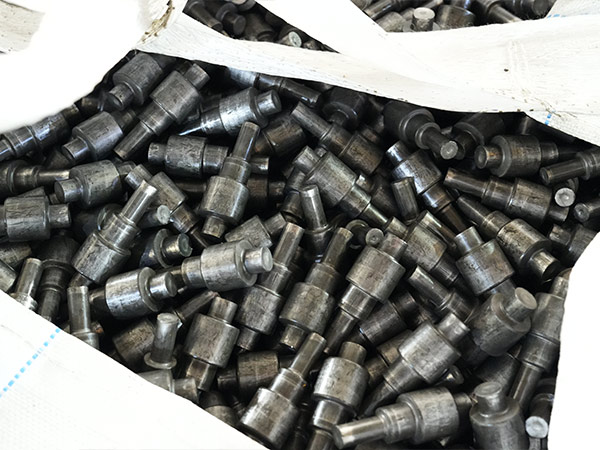
A custom component reduces assembly cost when the additional manufacturing investment is outweighed by savings elsewhere in the product lifecycle.
The relevant calculation should include much more than purchase price.
Component Cost
This includes:
- Raw material
- Cold-heading operation
- Tooling
- Thread rolling
- Secondary machining
- Heat treatment
- Surface treatment
- Inspection
- Packaging
Assembly Cost
This may include:
- Operator time
- Robot cycle time
- Feeding equipment
- Tool changes
- Component handling
- Additional fixtures
- Washer or spacer placement
- Rework
Quality Cost
Consider:
- Missing parts
- Incorrect orientation
- Cross threading
- Assembly mismatch
- Loose joints
- Sorting
- Rework
- Line stoppage
Supply-Chain Cost
A multi-component assembly requires several separate items to remain available.
Inventory multiplication
One assembly may depend on five separate part numbers from multiple suppliers.
A customized component may reduce that exposure, although the custom part itself requires a stronger tooling and supply-continuity strategy.
Standard Hardware vs Non Standard Fasteners Cost Model
| Cost category | Standard hardware approach | Custom approach |
| Initial engineering | Lower | Higher |
| Dedicated tooling | Usually low | May be significant |
| Fastener unit price | Often low | Depends on geometry and volume |
| Additional washers/spacers | May be required | Can sometimes be integrated |
| Secondary machining | Possible | Can sometimes be reduced |
| Assembly operations | May require several steps | Potentially fewer |
| Line-side part numbers | More when several parts are combined | Potentially fewer |
| Inspection points | Multiple components | More concentrated |
| Error opportunities | Increase with part count | Can be reduced |
| Design flexibility | Limited | High |
| Long-term replacement | Easy | Requires supply planning |
| Lifecycle optimization | Component-focused | Assembly-focused |
The correct comparison is therefore:
Total system cost of standard hardware
versus
Total system cost of non standard fasteners.
Not simply:
Standard bolt price
versus
Custom bolt price.
Are Non Standard Fasteners Only for High Volumes?
No universal production quantity determines whether customization is economical.
Higher volume generally makes dedicated tooling easier to justify, but volume is only one variable.
Tooling Complexity
A relatively simple custom head or shoulder may require less tooling development than a deep hollow feature, complicated spline, or multi-diameter component.
Simple customization
A basic application-specific component may become economically reasonable at a lower lifecycle quantity.
Complex customization
A multi-station cold-headed component with extensive secondary processing may require greater recurring demand.
Machining Avoided
Suppose the alternative is machining every component from oversized bar.
If a custom cold-headed blank removes substantial recurring machining, the tooling break-even may occur sooner.
Assembly Work Avoided
The custom component may eliminate:
- Two washers
- One spacer
- One locating pin
- Manual alignment
- An extra tightening operation
These savings occur every time the product is assembled.
Program Life
Annual demand alone can be misleading.
A program requiring 30,000 components per year for eight years represents 240,000 units of potential lifecycle demand.
That may justify customization even if the initial release is relatively small.
Practical Volume Evaluation
| Lifecycle situation | Likely approach |
| A few prototypes | Standard hardware or machining usually makes more sense |
| Small replacement requirement | Standard or modified hardware may be preferable |
| Developing design with uncertain geometry | Delay dedicated tooling where possible |
| Stable recurring part with moderate annual demand | Compare standard modification and custom tooling |
| Standard part requires several secondary operations | Evaluate custom forming earlier |
| Large recurring production program | Strong candidate for non standard fasteners |
| Automated assembly with high line-stop cost | Customization may justify itself even at moderate quantities |
| Multi-year OEM program | Evaluate total lifecycle quantity, not first order only |
These are decision directions rather than fixed MOQ rules.
The most useful calculation compares actual lifecycle costs for both manufacturing routes.
What Features Can Be Integrated Into Non Standard Fasteners?
Cold heading allows several functional features to be incorporated when material flow, tooling strength, tolerances, and equipment limits permit.
Custom Head
Possible variations include:
- Enlarged head
- Reduced head
- Low-profile head
- Flange head
- Round head
- Polygonal head
- Special drive geometry
Function
The head may provide:
- Bearing area
- Tool engagement
- Orientation
- Appearance
- Installation stop
- Anti-rotation
Flange
An integrated flange can sometimes replace a washer.
Design considerations
Engineers should review:
- Flange diameter
- Flange thickness
- Underhead radius
- Bearing stress
- Installation clearance
- Material flow
Shoulder
A shoulder can perform spacing and location.
Precision considerations
A normal formed shoulder may be sufficient for clearance applications.
A bearing or press-fit surface may require calibration, machining, or grinding after forming.
Square or Polygonal Section
A square neck or flats can prevent rotation.
Assembly benefit
This may allow a nut to be tightened without applying a second tool to the head.
The Romy Metal product range includes square-neck bolts, square and spline shafts, adjustment bolts, cold-headed sleeves, nuts, screws, and numerous special-shaped components illustrating the variety of geometry that can be produced for application-specific requirements.
Recess or Slot
A recess can provide:
- Driver engagement
- Alignment
- Torque transmission
- Adjustment
- Valve actuation
The punch geometry must remain strong enough for repeated forming.
Pilot End
A pilot can help:
- Align assembly
- Enter a hole
- Start thread engagement
- Guide automated installation
The transition between the pilot and the main diameter should avoid damaging the mating component.
Hollow Section
Cold extrusion can create certain holes, cavities, and sleeve structures.
Possible benefit
A hollow component may replace a machined spacer or sleeve while improving material utilization.
Deep cavities and thin walls require careful DFM review.
When Customization Does Not Pay Off
The ability to manufacture a custom part does not mean customization is always the correct commercial decision.
A Standard Part Already Meets the Requirement
Do not customize simply to create a unique part number.
Unnecessary complexity
Custom tooling, drawings, approvals, and supply planning create additional management responsibility.
If a standard component performs the same function reliably, use it.
The Product Is Near End of Life
A short remaining program may not recover the tooling investment.
Exception
Customization may still make sense when the existing part is causing severe quality or supply problems.
The decision should be based on remaining lifecycle savings.
Requirements Are Unstable
Frequent design changes can make tooling obsolete.
Better route
Use machining or modified standard hardware until major interfaces have stabilized.
The Custom Geometry Does Not Improve Function
Aesthetic uniqueness alone may not justify custom forming for an internal industrial component.
Engineering value
Every non-standard feature should have a clear reason related to:
- Function
- Assembly
- Strength
- Space
- Weight
- Quality
- Durability
- Manufacturing
Field Replacement Must Be Universal
Products repaired by distributors, technicians, or end users may benefit strongly from standard hardware.
Serviceability
A highly customized fastener can make emergency replacement more difficult.
When a non-standard component is necessary, spare-part strategy should be considered during product development.
Standard Fasteners Can Still Be Modified
There is a middle ground between completely standardized and fully customized production.
Secondary Machining
A standard blank can be:
- Shortened
- Drilled
- Turned
- Slotted
- Milled
- Ground
This can be efficient for limited quantities.
Added Components
Standard bolts can be combined with:
- Washers
- Spacers
- Bushings
- Pins
- Retaining elements
This preserves purchasing flexibility but increases assembly complexity.
Semi-Custom Cold Heading
A manufacturer may use a conventional thread and general fastener architecture while creating one custom section.
Example
A component may use:
- Standard metric thread
- Standard property class
- Custom shoulder length
- Custom flange
- Custom pilot
This approach preserves familiar engineering interfaces while solving the application-specific problem.
Non Standard Fasteners vs Modified Standard Fasteners
| Question | Modified standard fastener | Purpose-designed non-standard fastener |
| Small quantity needed? | Often attractive | Tooling may not be justified |
| Geometry still changing? | Flexible | Higher revision risk |
| One small feature differs? | May be sufficient | Evaluate recurring modification cost |
| Several features differ? | Secondary operations accumulate | Custom forming becomes more attractive |
| High annual quantity? | Modification cost repeats | Tooling investment can be amortized |
| Automated assembly? | Standard geometry may cause limitations | Geometry can be optimized |
| Multiple loose parts required? | BOM remains larger | Functional integration may reduce BOM |
| Material waste high? | Depends on starting component | Near-net forming may improve utilization |
| Field replacement required? | Easier | Spare strategy required |
| Long-term OEM program? | Compare total cost | Often worth detailed evaluation |
How to Evaluate the Lifecycle Cost
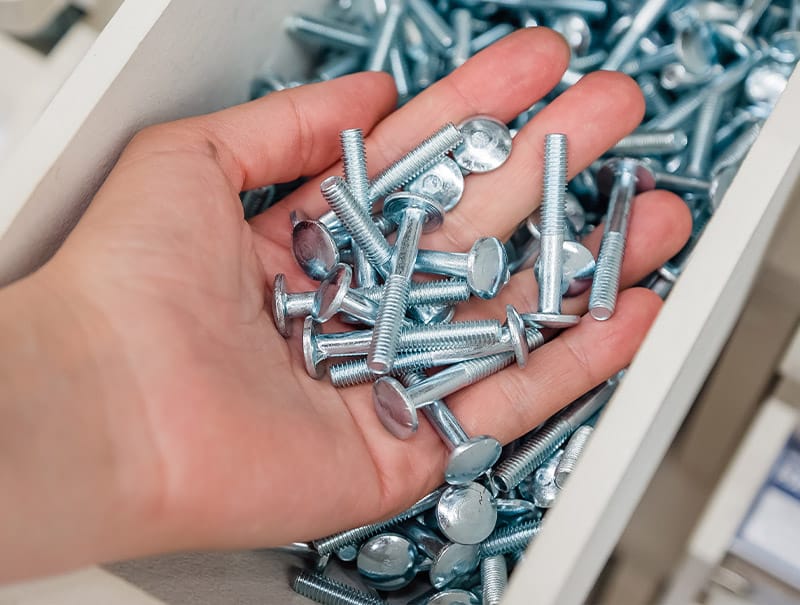
Procurement teams should avoid choosing between standard and non-standard parts using only the first quotation.
Step 1: Calculate Existing Component Cost
Record the cost of:
- Bolt
- Nut
- Washer
- Spacer
- Sleeve
- Locating pin
- Any other related hardware
Step 2: Add Secondary Processing
Include:
- Turning
- Milling
- Grinding
- Drilling
- Welding
- Coating
- Sorting
- Additional inspection
Step 3: Add Assembly Cost
Estimate:
- Operator time
- Machine cycle time
- Robotic handling
- Fastener feeding
- Tool changes
- Manual alignment
- Rework
Step 4: Add Quality Loss
Review historical data for:
- Missing components
- Wrong orientation
- Jamming
- Thread damage
- Misalignment
- Joint failure
- Sorting
- Customer complaints
Step 5: Calculate Custom Development Cost
Include:
- Engineering
- Tooling
- Gauges
- Samples
- Testing
- PPAP or approval documentation
Step 6: Spread Tooling Across Lifecycle Demand
Do not calculate tooling cost using only the first purchase order when repeat demand is expected.
Step 7: Compare Supply Risk
Evaluate:
- Number of suppliers
- Tool ownership
- Spare tools
- Raw-material availability
- Production capacity
- Safety stock
- Alternative production routes
Example Customization Scenarios
Scenario 1: Standard Bolt Plus Washer
The assembly requires a larger bearing surface than the standard bolt head provides.
Standard approach
Use:
- Standard bolt
- Flat washer
Custom approach
Use a cold-headed flange bolt with the required bearing diameter.
Potential reason to customize
Customization may reduce:
- One BOM item
- Washer handling
- Washer feeding
- Missing-washer risk
The decision still depends on volume and structural requirements.
Scenario 2: Bolt Plus Spacer
A machine linkage requires a fixed separation distance.
Standard approach
Use:
- Bolt
- Spacer
- Washer
- Nut
Custom approach
Use a shoulder bolt or custom cold-headed component with an integrated spacing section.
Potential value
The custom component can establish the spacing automatically during installation.
Scenario 3: Bolt Requires Anti-Rotation
A standard round-shank fastener turns while the nut is tightened.
Standard approach
Add:
- Second installation tool
- Locking fixture
- Weld feature
Custom approach
Use a square neck, flats, spline, or another anti-rotation feature.
The value comes primarily from installation efficiency rather than from raw fastener cost.
Scenario 4: Machined Special Bolt
A standard bolt is purchased and then machined to create a shoulder and pilot.
Standard approach
Every unit requires recurring machining.
Custom approach
Form the main shoulder, head, and pilot through dedicated cold-heading tooling and machine only features that truly require cutting.
At stable volume, recurring savings may offset the initial tool investment.
Scenario 5: Automated Assembly Problems
A standard component feeds inconsistently through automatic equipment.
Standard approach
Modify the feeding system.
Custom approach
Change fastener head, pilot, length relationship, or orientation features.
The best choice depends on whether the fastener or automation change provides the more robust long-term solution.
What Should Be Defined on a Non-Standard Fastener Drawing?
Customized geometry requires more complete technical documentation than ordering a catalog item.
Material
Specify:
- Material grade
- Permitted equivalent
- Starting condition where relevant
- Mechanical properties
Geometry
Define:
- Overall dimensions
- Head
- Flange
- Shoulder
- Shank
- Thread
- Pilot
- Recess
- Radius
- Chamfer
- Hole
- Special profile
Critical Tolerances
Do not assign extreme tolerances indiscriminately.
Functional dimensions
Identify dimensions that affect:
- Fit
- Alignment
- Sealing
- Torque
- Rotation
- Assembly
- Safety
Romy Metal’s Cold Heading Tolerance Guide provides additional guidance on separating formed dimensions from those that may need machining, calibration, or grinding.
Heat Treatment
State:
- Required process
- Hardness
- Case depth where applicable
- Mechanical properties
- Inspection condition
Surface Treatment
Define:
- Coating
- Thickness
- Corrosion requirement
- Appearance
- Friction requirements where relevant
Production Quantity
Include:
- Sample quantity
- Initial order
- Annual demand
- Typical release
- Program life
These figures allow a non standard fasteners manufacturer to select the appropriate tooling and manufacturing route.
How to Choose a Non Standard Fasteners Manufacturer
A custom supplier should be evaluated differently from a company that only provides standard catalog hardware.
Engineering Support
Ask whether the supplier reviews drawings before tooling.
DFM capability
The review should identify:
- Features suitable for cold heading
- Features requiring machining
- Sharp corners
- High deformation areas
- Thin walls
- Deep cavities
- Difficult tolerances
- Material risks
Tooling Capability
Dedicated tooling is central to repeatable custom production.
Questions to ask
- Who designs the tooling?
- Who manufactures the dies and punches?
- How are tools measured?
- Are spare tools prepared?
- How is tool life recorded?
- How are revisions controlled?
Forming Range
A supplier should confirm whether its equipment can handle the required:
- Wire diameter
- Part length
- Head or flange diameter
- Material
- Number of stations
- Forming load
Romy Metal’s current product information describes custom non-standard cold-headed components across industrial, automotive, EV/mobility, construction, and other applications, supported by multi-station cold-heading equipment and an in-house mold-development capability.
Secondary Operations
Check whether the supplier can manage:
- Thread rolling
- CNC machining
- Drilling
- Grinding
- Heat treatment
- Surface treatment
- Sorting
- Inspection
A one-stop process is useful only when every operation is properly controlled.
Quality Management
Ask how the manufacturer controls:
- Raw material
- Tooling
- In-process dimensions
- Heat treatment
- Surface coating
- Thread inspection
- Final inspection
- Traceability
- Nonconforming products
- Engineering changes
Sample Validation
The supplier should provide samples before mass production.
Validation should include
- Dimensions
- Material
- Mechanical properties
- Appearance
- Coating
- Assembly fit
- Functional testing
A visually correct sample is not enough when the component performs a load-bearing or locating function.
Procurement Risks With Non Standard Fasteners
Customization solves some risks while creating others.
A good sourcing strategy should manage both.
Single-Source Dependency
A dedicated tool may exist at only one supplier.
Risk control
Consider:
- Tool ownership
- Spare tools
- Tool drawings
- Safety stock
- Alternative suppliers
- Emergency machining route
Drawing Dependence
A standard fastener can often be reordered using a standard designation.
A custom component depends heavily on controlled documentation.
Risk control
Maintain:
- Current drawing
- Revision history
- Approved material
- Sample records
- Test requirements
- Tool revision
Tool Wear
Production relies on dedicated dies and punches.
Risk control
Ask how the supplier manages:
- Preventive maintenance
- Tool-life records
- Spare inserts
- Replacement triggers
- Dimensional trends
Engineering Changes
Changing a head, shoulder, cavity, flange, or other formed feature may require new tooling.
Risk control
Freeze important interfaces before mass-production tool approval.
Forecast Changes
A custom route designed for high volume may become less economical if forecast demand falls significantly.
Risk control
Review lifecycle assumptions during sourcing rather than relying only on optimistic launch forecasts.
Standard Hardware Risks Can Also Be Overlooked
Standardization does not automatically remove supply or quality risk.
Multiple Loose Components
A standard solution may require several separate parts.
Supply exposure
Every additional item has its own:
- Supplier
- Forecast
- Inventory
- Quality status
- Packaging
- Lead time
Assembly Variation
Washers, spacers, and loose sleeves can be omitted or installed incorrectly.
Secondary Supplier Dependence
A standard fastener may still require outsourced machining, coating, or welding.
Uncontrolled Substitution
Different suppliers may provide components that technically meet the same general standard but differ in coating, edge details, packaging, lubrication, or process behavior important to automated assembly.
Engineering and purchasing teams should therefore define the actual application requirements even when standard hardware is used.
A Practical Decision Matrix
Use the following matrix before deciding whether to customize.
| Question | If the answer is YES | Likely direction |
| Does an existing standard fastener meet every functional requirement? | Yes | Prefer standard hardware |
| Is the application very low volume? | Yes | Standard or machined solution may be better |
| Is the design still changing? | Yes | Delay dedicated tooling |
| Does the standard solution require multiple washers or spacers? | Yes | Evaluate functional integration |
| Does the standard part require recurring machining? | Yes | Compare custom forming |
| Is installation space restricted? | Yes | Evaluate custom head or drive geometry |
| Does the part also locate or guide another component? | Yes | Consider custom shoulder or shaft |
| Does the fastener rotate during installation? | Yes | Consider anti-rotation geometry |
| Is automated feeding unreliable? | Yes | Review application-specific geometry |
| Is annual demand stable? | Yes | Tooling becomes easier to justify |
| Is program life several years? | Yes | Calculate lifecycle quantity |
| Is the component safety- or function-critical? | Yes | Increase drawing, testing, and traceability control |
| Would one custom part replace several current components? | Yes | Compare total assembly cost |
| Is field replacement with universal hardware essential? | Yes | Standardization remains valuable |
How Romy Metal Supports Non Standard Fasteners
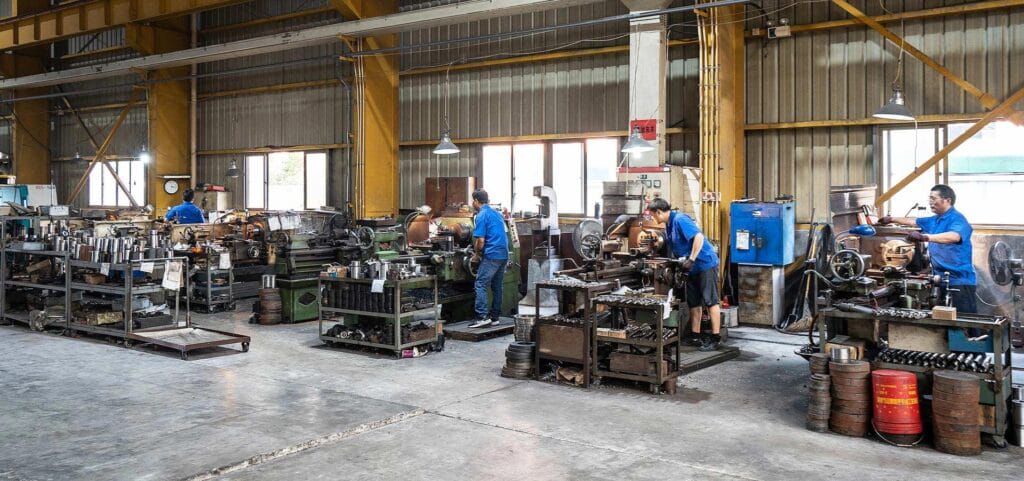
Romy Metal focuses on custom cold-headed fasteners and precision components developed from drawings, samples, and application requirements. Its product structure includes Industrial & Mechanical Components, automotive cold-heading parts, EV and mobility components, elevator and construction hardware, and Custom Cold Heading Solutions.
Drawing-Based Customization
Projects can begin from a controlled customer drawing.
Engineering review
Before tooling development, the part should be reviewed for:
- Material flow
- Forming stages
- Tolerances
- Tool access
- Secondary processing
- Heat treatment
- Surface treatment
This makes it possible to identify features that should be formed directly and features better finished through another process.
Sample-Based Development
An existing component can also support development when the original drawing is unavailable.
Reverse engineering
The process may include:
- Dimensional measurement
- Material identification
- Hardness testing
- Coating analysis
- Drawing creation
- Customer confirmation
A controlled drawing should be established before regular mass production.
Functional Cold-Headed Components
Romy Metal’s product portfolio includes bolts, adjustment components, screws, sleeves, shafts, nuts, inserts, valve-related components, and special-shaped cold-headed parts.
These examples are useful when evaluating whether features such as shoulders, flats, splines, recesses, sleeves, or other functional geometry can be integrated rather than added through separate components or repeated machining.
RFQ Review
For a useful manufacturability review, buyers should provide:
- 2D drawing
- 3D model if available
- Material
- Mechanical requirements
- Heat treatment
- Surface treatment
- Critical tolerances
- Annual demand
- Program life
- Application
- Existing assembly problem
Projects can be submitted through the Romy Metal contact page for drawing and manufacturing review.
Non Standard Fasteners Procurement Checklist
Before moving from standard hardware to a custom component, confirm the following.
Engineering
- What problem does customization solve?
- Can an existing standard product satisfy the function?
- Which dimensions cannot follow a standard configuration?
- Can several components be combined?
- Are the assembly interfaces stable?
- Which features are critical?
- Can the geometry be cold headed?
- Which features still require machining?
- Are practical corner radii available?
- Is tool access possible?
Material
- Is the exact material grade defined?
- Are equivalent materials permitted?
- Is heat treatment required?
- Are mechanical properties specified?
- Is corrosion resistance required?
- Is coating thickness defined?
Production
- What is the sample quantity?
- What is the first production quantity?
- What is annual demand?
- What is lifecycle demand?
- How often will orders be released?
- What is the normal batch size?
Assembly
- Does the part replace a washer?
- Does it replace a spacer?
- Does it replace a pin?
- Does it prevent rotation?
- Does it locate the assembly?
- Does it improve automated feeding?
- Does it reduce tool changes?
- Does it reduce operator handling?
Quality
- Which dimensions are critical?
- What gauges are required?
- Are mechanical tests required?
- Is corrosion testing required?
- Is traceability required?
- Is PPAP required?
- What sample approval process will be used?
Supply Risk
- Who owns the tooling?
- Are spare tools available?
- How is tool life managed?
- What safety stock is required?
- Is an alternative manufacturing route available?
- How are engineering changes controlled?
Common Mistakes When Ordering Non Standard Fasteners
Customizing Without a Business Reason
A unique geometry is not automatically an improvement.
Better approach
Document the problem being solved and estimate the resulting benefit.
Comparing Only Piece Prices
A standard bolt may appear cheaper while requiring three extra components and two additional assembly operations.
Better approach
Compare total lifecycle and assembly cost.
Customizing Too Early
Developing tooling before the assembly is stable can create repeated die revisions.
Better approach
Freeze important mating interfaces first.
Copying Standard Tolerances to Every Feature
Custom parts should not automatically receive extremely tight limits.
Better approach
Base tolerances on actual assembly function.
Ignoring Field Service
A custom component may be difficult to replace at a remote service location.
Better approach
Create a spare-parts and replacement strategy during product development.
Ignoring Tool Ownership
Tooling becomes strategically important for long-running OEM programs.
Better approach
Define ownership, maintenance, repair, replacement, storage, and transfer conditions in the commercial agreement.
Ignoring Secondary Operations
The part may be cold headed successfully but still require machining, thread rolling, heat treatment, grinding, or coating.
Better approach
Evaluate the complete manufacturing route before approving the design.
Conclusion
Standard hardware and non standard fasteners are not competing solutions in every application.
Standard components should remain the preferred choice when established bolt, screw, nut, washer, or pin configurations meet the required dimensions, load, installation conditions, environment, and supply strategy.
They offer valuable benefits:
- Broad availability
- Established dimensions
- Familiar engineering references
- Easier replacement
- Reduced tooling investment
- Greater sourcing flexibility
Non standard fasteners become more valuable when the standard solution begins creating compromises elsewhere in the product.
Strong customization triggers include:
- Restricted assembly space
- Special head requirements
- Unavailable shoulder dimensions
- Repeated machining of standard fasteners
- Multiple washers or spacers
- Anti-rotation requirements
- Locating functions
- Automated assembly problems
- Special material requirements
- Application-specific load paths
- Long-term recurring demand
The most important economic principle is to compare the complete assembly rather than the fastener alone.
A purpose-designed component may have dedicated tooling and a different unit cost while simultaneously removing a washer, spacer, pin, machining operation, installation tool, inspection point, or assembly error.
When those savings repeat across thousands or hundreds of thousands of assemblies, customization can produce value far beyond the fastener itself.
The right question is therefore not:
“Are non standard fasteners cheaper than standard fasteners?”
It is:
“Does this customized component reduce the total cost, complexity, or risk of the complete product throughout its lifecycle?”
That is the point at which customization pays off.
FAQ
What are non standard fasteners?
Non standard fasteners are bolts, screws, nuts, pins, studs, sleeves, or other connecting components whose geometry, dimensions, materials, mechanical requirements, or functions differ from commonly available standard configurations.
They are normally manufactured according to customer drawings, samples, or application-specific requirements.
When should I use non standard fasteners instead of standard bolts?
Consider customization when a standard bolt cannot provide the required installation clearance, shoulder dimensions, head geometry, locating function, anti-rotation feature, material, surface requirement, or automated-assembly behavior.
Customization is also worth evaluating when a standard component requires repeated secondary modification.
Are non standard fasteners only economical for high-volume production?
No. Higher volumes generally make tooling easier to justify, but production quantity is only one factor.
Tool complexity, machining avoided, assembly labor saved, number of components eliminated, program duration, and quality improvements can make customization economical at moderate volumes.
Can one custom fastener replace several components?
Yes, depending on the application.
A custom component may integrate a flange, shoulder, spacer, locating section, anti-rotation feature, pilot, sleeve, or another functional feature. This can reduce BOM size and assembly operations.
Can a non-standard bolt still use a standard metric thread?
Yes.
Many non standard fasteners combine standardized threads or mechanical-property requirements with application-specific heads, shoulders, shafts, flanges, or end features.
Using standard interfaces where practical can simplify engineering and inspection.
What features can be made through cold heading?
Depending on material and geometry, cold heading can create heads, flanges, shoulders, stepped shafts, recesses, flats, polygonal forms, sleeves, cavities, and other near-net features.
Very deep holes, off-axis features, tight bearing surfaces, or complicated undercuts may still require secondary machining.
Are standard fasteners always easier to source?
Usually they provide more sourcing options because common sizes may be produced by multiple suppliers.
However, buyers should still verify material, mechanical properties, coating, quality controls, and application-specific requirements rather than assuming all products with the same basic dimensions are identical.
What is the biggest disadvantage of non standard fasteners?
Dedicated tooling and supplier dependency are important considerations.
Custom programs require controlled drawings, tooling management, spare-tool planning, engineering-change control, and a more deliberate supply strategy.
Can non standard fasteners reduce assembly cost?
Yes, particularly when one custom component eliminates washers, spacers, locating pins, secondary machining, manual alignment, or additional installation steps.
The business case should include complete assembly cost rather than only fastener price.
How should I compare a standard and custom solution?
Compare:
- Component price
- Tooling
- Secondary operations
- Assembly time
- Number of BOM items
- Quality losses
- Rework
- Inventory
- Supplier count
- Automation performance
- Lifecycle volume
- Supply risk
This gives a more realistic picture than comparing unit prices alone.
What information does a non standard fasteners manufacturer need?
Provide:
- Controlled 2D drawing
- 3D model if available
- Material grade
- Heat treatment
- Surface treatment
- Threads
- Critical tolerances
- Annual demand
- Batch quantity
- Application details
- Mechanical requirements
- Inspection requirements
- Quality documentation
A complete RFQ reduces quotation assumptions and later tooling revisions.
Can a manufacturer develop non standard fasteners from a sample?
Yes. Physical samples can support reverse engineering when drawings are unavailable.
However, the supplier and customer should establish a new controlled drawing defining nominal dimensions, tolerances, material, heat treatment, coating, and acceptance criteria before regular production.
Should I modify a standard fastener or create a custom one?
Modified standard hardware is often useful for prototypes, low volumes, or minor dimensional changes.
When modifications become repetitive, involve several operations, or continue through a long-volume program, purpose-designed non standard fasteners may provide better lifecycle economics.
How does cold heading reduce machining on non standard fasteners?
Cold heading redistributes material into a near-net shape rather than removing large amounts of stock.
Suitable heads, shoulders, flanges, shafts, sleeves, and recesses can therefore be formed directly, leaving only genuinely precision or inaccessible features for secondary machining.
How do I know whether my design can be cold headed?
A manufacturer should review:
- Material
- Starting wire diameter
- Head-to-shank relationship
- Upsetting demand
- Extrusion requirements
- Corner radii
- Wall thickness
- Hole depth
- Tool access
- Tolerances
- Annual volume
A DFM review should be completed before production tooling is approved.
Which standards may still apply to custom fasteners?
A non-standard component may still reference relevant requirements for threads, mechanical properties, materials, tolerances, coatings, or testing.
For example, applicable carbon- and alloy-steel bolts, screws, and studs may reference ISO 898-1 for mechanical-property requirements even when other dimensions are customer-specific. The exact standards should be selected according to the component and application.
How should tool ownership be handled?
Tool ownership should be agreed before the purchase order.
The agreement should clarify:
- Who pays for the tooling
- Who legally owns it
- Where it is stored
- Who maintains it
- Who pays for normal replacement
- What happens after an engineering change
- Whether it can be transferred
This becomes particularly important for long-term OEM programs.
What is the biggest mistake when switching to non standard fasteners?
The biggest mistake is treating customization as only a component-purchasing exercise.
The design should be evaluated together with the assembly, manufacturing process, inspection method, production volume, service requirements, and supply chain.
Customization creates the most value when it removes measurable complexity elsewhere in the product.
How can I request a custom fastener feasibility review?
Prepare the drawing or physical sample together with material, application, annual volume, tolerances, heat treatment, coating, and quality requirements.
Romy Metal accepts drawing- and requirement-based projects through its contact page and supports custom cold-heading development from engineering review through sampling and production.