Table of Contents
Choosing a custom fastener manufacturer is not simply a matter of comparing quotations.
Once tooling begins, changing suppliers can mean redesigning dies, repeating samples, revalidating dimensions, restarting PPAP documentation, delaying production and absorbing costs that were never visible in the original unit price.
That is why supplier evaluation should happen before the first production tool is cut.
A capable manufacturer should be able to do more than reproduce the geometry on a drawing. The supplier should understand how material flows during forming, which dimensions actually control assembly performance, where secondary machining may be necessary, how tooling will wear over time, and whether the process can remain stable across hundreds of thousands—or millions—of parts.
This guide explains the most important questions procurement teams, sourcing engineers and product designers should ask before approving tooling for custom fasteners or other non-standard cold-headed components.
Quick Answer: What Should You Check Before Choosing a Custom Fastener Manufacturer?
Before releasing tooling, evaluate the supplier in these 12 areas:
- Experience with similar part geometry
- DFM capability before quotation
- In-house tooling knowledge
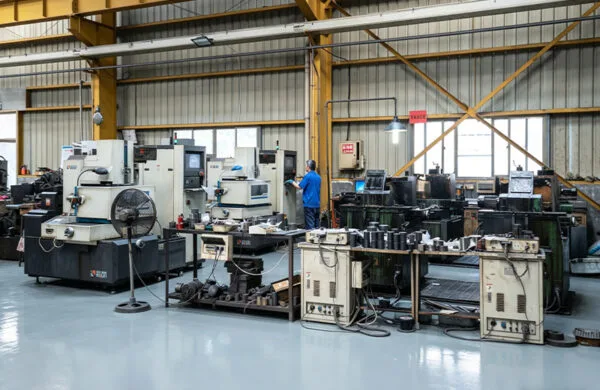
- Machine and process suitability
- Material control
- Tolerance and measurement capability
- Process capability and production consistency
- Secondary-process management
- Prototype and sample strategy
- Quality documentation and traceability
- Capacity and program-life planning
- Engineering communication and quotation transparency
The objective is not to find the manufacturer with the longest equipment list.
The objective is to determine whether the supplier can convert your drawing into a repeatable, controllable and economically sustainable production process.
Why Supplier Evaluation Matters More for Custom Fasteners
A standard bolt can often be purchased from multiple qualified sources with the same specification.
A custom fastener is different.
Its tooling, manufacturing sequence, inspection method and process parameters may be designed specifically for one component.
Once production begins, the supplier becomes part of the engineering system behind the part.
That creates several risks if the wrong manufacturer is selected.
| Supplier Selection Risk | Possible Result |
|---|---|
| Poor DFM review | Cracks, underfill or excessive secondary machining |
| Weak tooling capability | Short tool life and unstable dimensions |
| Incorrect machine selection | High cost or limited production capacity |
| Inadequate inspection | Assembly failures or rejected batches |
| Weak material control | Hardness or forming variation |
| Poor change management | Approved samples no longer match production |
| Limited traceability | Difficult root-cause investigation |
| Capacity mismatch | Delivery delays after volume increases |
For this reason, supplier qualification should evaluate the production system, not only the first sample.
1. Has the Manufacturer Produced Similar Geometry Before?
The first question is not:
“Have you made custom fasteners?”
Almost every custom fastener supplier can answer yes.
A better question is:
“Have you manufactured parts with similar forming difficulty?”
For example, a manufacturer experienced in ordinary hex bolts may not automatically be experienced in:
- Hollow sleeves
- Long-shank parts
- Large flange-to-shank ratios
- Deep recesses
- Polygonal sections
- Splines
- Special shoulders
- Multiple extruded diameters
- Thin-wall sections
- Offset geometry
- Integrated locating features
The closer the supplier’s previous experience is to your geometry, the easier it is for its engineering team to anticipate material-flow and tooling problems.
What buyers should ask
Ask the manufacturer to describe experience with:
- Similar diameter ranges
- Similar length-to-diameter ratios
- Comparable materials
- Similar tolerance requirements
- Similar forming features
- Similar annual production volumes
Actual customer drawings may be confidential, so a professional supplier may not show identical projects.
However, it should still be able to explain why the geometry is difficult and how it would approach the forming sequence.
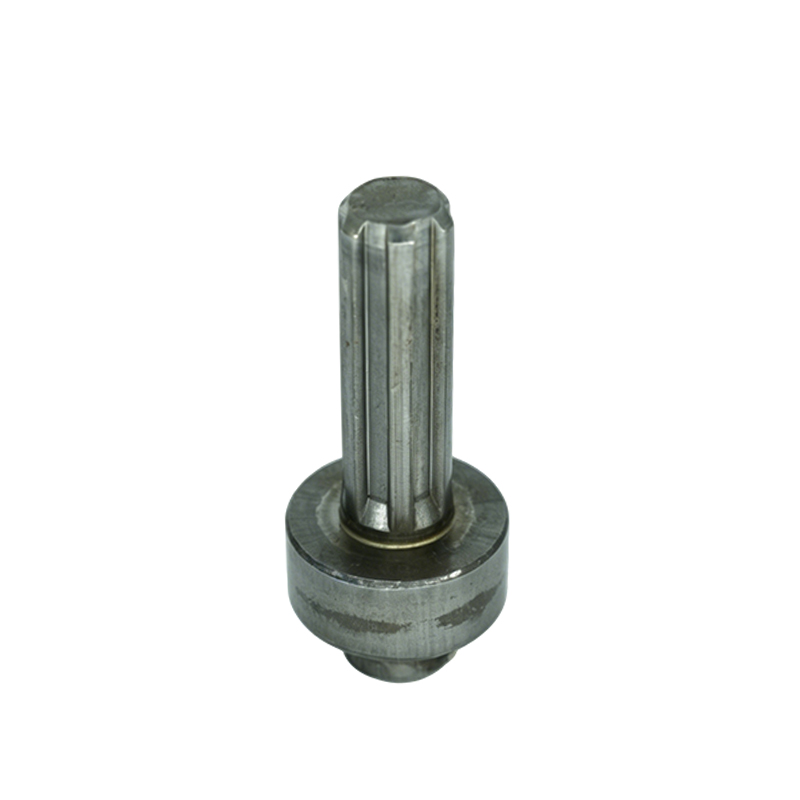
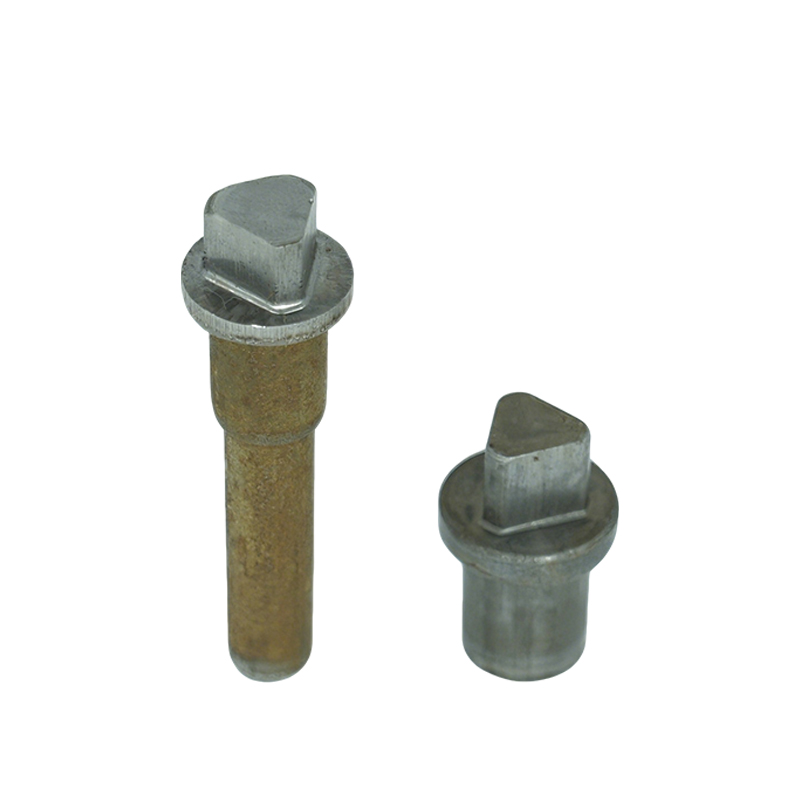
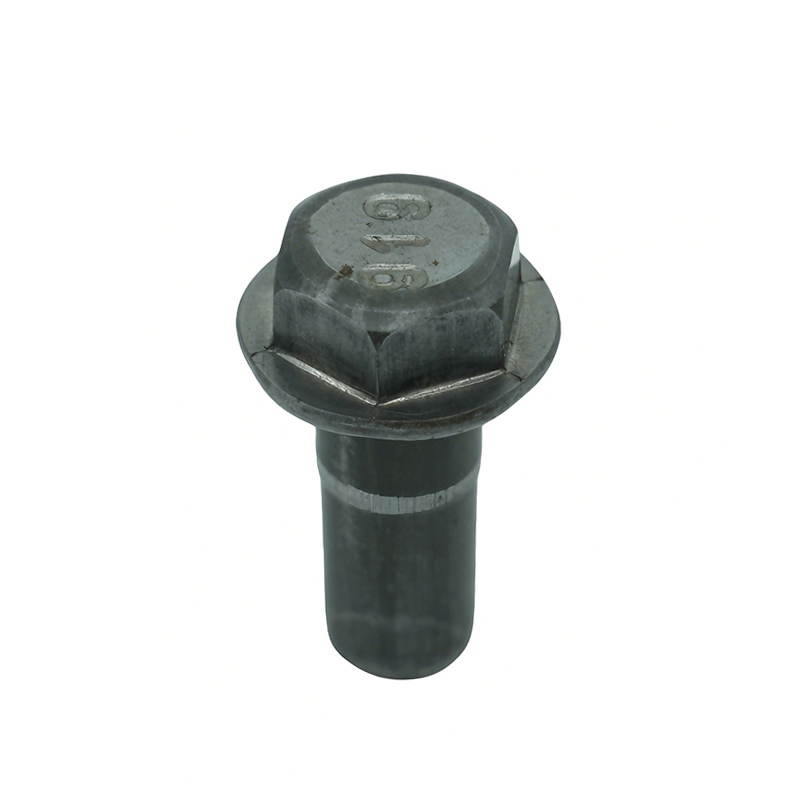
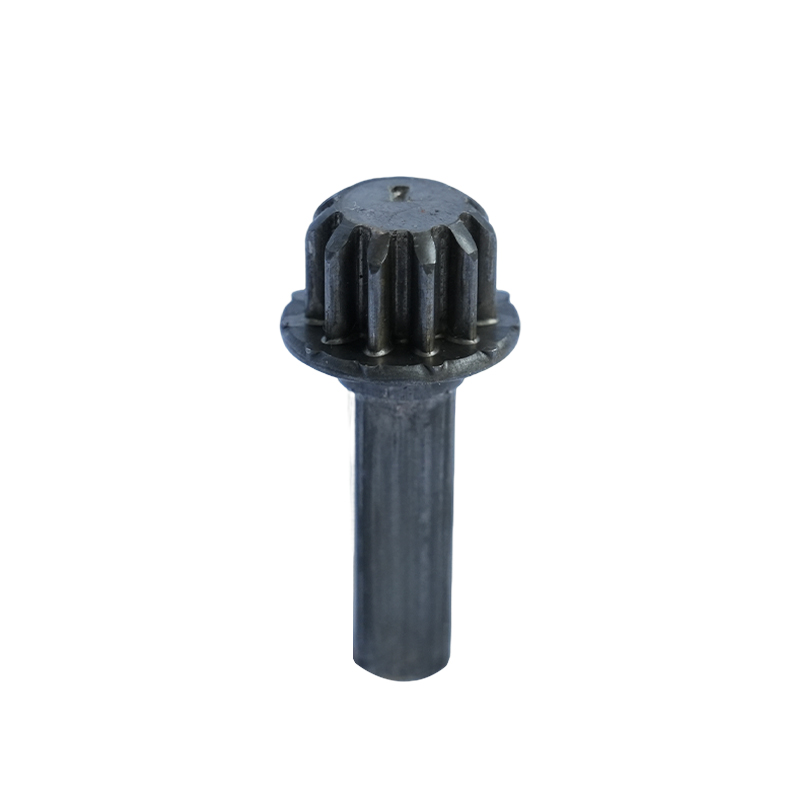
Romy’s current Custom Cold Heading Solutions include non-standard sleeves, bushings, special-shaped shafts, splines, polygonal components and other drawing-based cold-headed parts.
2. Does the Supplier Perform DFM Before Tooling?
One of the strongest signs of a capable custom fastener manufacturer is that the engineering team does not blindly accept the drawing.
It asks questions.
A proper Design for Manufacturing, or DFM, review should identify:
- Dimensions that are difficult to form
- Features that may require secondary machining
- Unnecessarily tight tolerances
- Sharp transitions that increase cracking risk
- Areas with difficult material flow
- Tool-access limitations
- Difficult ejection conditions
- Heat-treatment distortion risks
- Coating dimensions that affect final fit
A supplier that immediately sends a price without discussing a technically demanding drawing may not yet have completed a meaningful process review.
A good DFM review can actually change the quotation
Suppose a drawing specifies ±0.01 mm on five dimensions.
If only one of those dimensions affects assembly performance, the other four tolerances may increase:
- Tooling complexity
- Inspection time
- Machine adjustment frequency
- Secondary machining
- Scrap risk
- Unit price
A strong manufacturer will ask which dimensions are truly functional.
The goal of DFM is not to reduce quality.
It is to put precision where precision creates value.
For additional design considerations, see Romy’s 7 Design Rules for Reliable Cold Heading Parts.
3. Who Designs and Controls the Tooling?
For many custom cold-headed parts, the tooling is the manufacturing process.
Two factories can own similar cold heading machines and still achieve very different results because their tooling knowledge is different.
Before approving tooling, determine whether the supplier understands:
- Die design
- Punch design
- Extrusion ratios
- Material flow
- Tool steel selection
- Heat treatment of tooling
- Surface treatment
- Punch alignment
- Insert design
- Stress concentration
- Ejection
- Tool wear
- Tool maintenance
In-house tooling can shorten the problem-solving loop
When mold design, manufacturing, maintenance and production are closely connected, dimensional problems can often be corrected faster.
For example, if a dimension gradually shifts during a production run, the engineering team may need to determine whether the cause is:
- Punch wear
- Die wear
- Machine alignment
- Raw-material variation
- Lubrication
- Heat treatment
- Measurement variation
A manufacturer that understands its own tooling can investigate these relationships much more effectively than one that treats tooling as a completely separate activity.
For a deeper explanation, read Cold Heading Die Design: What Controls Tool Life and Part Accuracy?.
4. Is the Manufacturing Process Appropriate for the Part?
A professional supplier should not force every part into the same manufacturing method.
Cold heading is highly efficient for many repeatable, medium- to high-volume components, but not every feature should necessarily be cold formed.
A part may require a combination of:
Cold heading + thread rolling + machining + heat treatment + surface finishing
The correct process route depends on:
- Geometry
- Material
- Production volume
- Tolerance
- Mechanical properties
- Surface requirements
- Tooling investment
- Program life
Ask what will be formed and what will be machined
This is one of the most useful questions before tooling:
Which features will be produced directly in the forming process, and which features will require secondary operations?
That answer affects cost.
If a quotation assumes five secondary machining operations, while another supplier can form four of those features directly, the unit prices may be very different even though both parts meet the drawing.
On the other hand, trying to cold form a feature that is better machined can create unnecessary tooling complexity.
The best solution is usually the process route that gives the lowest total manufacturing risk and cost, not the process with the fewest operations on paper.
5. How Does the Manufacturer Control Raw Material?
Material grade alone does not guarantee stable cold heading.
Forming performance can also depend on:
- Chemical composition
- Wire diameter
- Spheroidizing condition
- Surface preparation
- Hardness
- Ductility
- Decarburization
- Lubrication
- Material lot consistency
A material that meets the nominal grade may still behave differently during severe deformation if its condition changes.
Questions worth asking
Before tooling approval, clarify:
- Who supplies the material?
- Are approved material sources defined?
- Is incoming material inspected?
- Is material certification available?
- How are material lots identified?
- How is material traceability maintained?
- What happens if the raw-material supplier changes?
This becomes especially important for automotive, safety-related and high-volume programs.
6. Can the Supplier Actually Measure the Critical Dimensions?
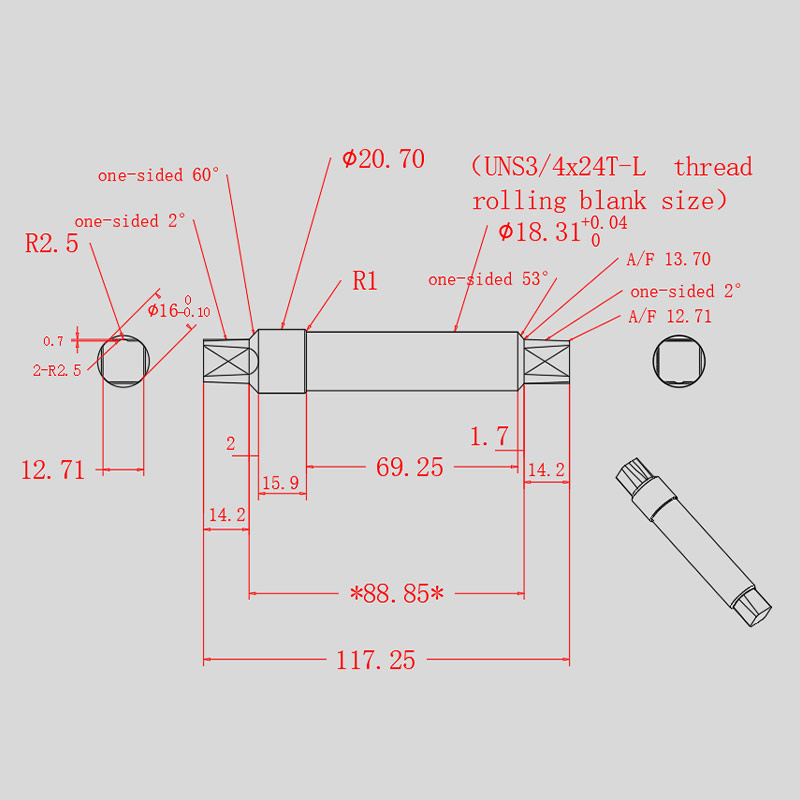
A tolerance has little value if the manufacturer cannot measure it reliably.
During supplier evaluation, identify the dimensions that determine:
- Fit
- Alignment
- Torque transfer
- Thread engagement
- Sealing
- Axial location
- Press fit
- Rotation
- Assembly height
- Functional clearance
Then ask how those dimensions will be inspected.
Depending on the part, measurement may require:
- Micrometers
- Height gauges
- Thread gauges
- Optical measurement
- Profile projectors
- CMM
- Roundness testing
- Surface roughness testing
- Hardness testing
- Custom gauges
- Functional fixtures
Measurement method should be decided before production
Imagine a spline profile that passes dimensional inspection but fails to engage correctly in the mating component.
A functional gauge may reveal the problem faster than measuring several isolated dimensions.
Similarly, a long shaft may meet diameter requirements but still fail because of straightness.
The manufacturer should therefore understand not only what dimension is on the drawing, but also why the dimension matters in the assembly.
7. How Will the Process Stay Stable After the First 100 Parts?
One excellent sample does not prove manufacturing capability.
Custom tooling often produces excellent early samples when:
- The tools are new
- The machine is freshly adjusted
- Engineering personnel are closely monitoring production
- Raw material comes from one controlled lot
Mass production is different.
The process must remain stable as:
- Tooling wears
- Raw-material lots change
- Machines run for longer periods
- Operators change
- Heat-treatment batches vary
- Production quantities increase
This is why supplier qualification should examine process capability, not only initial dimensions.
Useful questions include:
- Which dimensions are treated as critical?
- How frequently are they checked?
- Are control charts used where appropriate?
- What happens when a dimension approaches the control limit?
- How is tool life monitored?
- When is preventive tool replacement triggered?
- How are inspection records retained?
For automotive or other high-reliability programs, statistical controls may become particularly important.
8. Who Controls Heat Treatment, Plating and Other Secondary Processes?
Many custom fasteners leave the cold heading machine only partially finished.
Depending on the application, the part may still need:
- Thread rolling
- CNC machining
- Grinding
- Heat treatment
- Zinc plating
- Zinc-nickel plating
- Phosphate coating
- Black oxide
- Passivation
- Electroless nickel
- Other functional coatings
Even when these operations are outsourced, the primary manufacturer should understand and control the process chain.
Why this matters
Heat treatment can affect:
- Hardness
- Strength
- Straightness
- Diameter
- Residual stress
Surface treatment can affect:
- Corrosion resistance
- Coating thickness
- Thread fit
- Friction coefficient
- Appearance
A supplier cannot treat these processes as an afterthought.
Before tooling starts, clarify which specifications apply after all final processing.
9. What Does the Sample Actually Prove?
Prototype approval is one of the most misunderstood stages in custom fastener development.
There may be several different types of samples.
Machined prototype
Useful for checking:
- Assembly
- Basic geometry
- Clearance
- Functional concept
But it may not represent the material flow or mechanical characteristics of a production cold-headed part.
Trial-tool sample
Useful for evaluating:
- Formability
- Tooling concept
- Major dimensions
- Surface condition
- Potential defects
Production-intent sample
This is more valuable because it should represent the actual:
- Tooling
- Material
- Machine
- Heat treatment
- Surface treatment
- Inspection process
Before approving a supplier, buyers should know exactly what type of sample they are approving.
A sample that proves geometry is possible does not automatically prove that the supplier can produce 500,000 pieces consistently.
10. What Quality Documents and Traceability Can the Supplier Provide?
The right level of documentation depends on the industry.
A general industrial component may need relatively simple inspection records.
An automotive program may require significantly more.
Possible documents include:
- Material certificates
- Dimensional inspection reports
- Hardness reports
- Coating reports
- Thread inspection records
- Process flow diagrams
- Control plans
- PFMEA
- Gauge studies
- Capability studies
- PPAP documentation
- Lot traceability records
Ask before quotation—not after production
Documentation has a cost.
If a customer requests a full PPAP package after tooling and sampling have already been quoted, additional validation work may be required.
Quality-document requirements should therefore be included in the RFQ from the beginning.
A manufacturer operating under a recognized quality-management system should also be able to explain how nonconforming products, process changes and traceability are controlled.
11. Does the Manufacturer’s Capacity Match Your Program?
Capacity is not simply the number of machines in the factory.
The important question is:
Does the supplier have the right capacity for this specific part?
A factory may have many machines but only one machine capable of producing your component efficiently.
Before tooling, discuss:
- Required monthly volume
- Annual demand
- Peak demand
- Typical order size
- Program life
- Required safety stock
- Tool life
- Spare tooling
- Machine availability
- Planned production cycle
Ask what happens if your demand doubles
This question often reveals whether the supplier has considered the future production plan.
For example:
If annual demand grows from 200,000 to 800,000 pieces, will the same tooling and machine remain practical?
Or will the project require:
- Additional tooling sets
- A faster machine
- Parallel production
- Different packaging
- Additional inspection capacity
Good supplier planning considers the life of the program—not only the first purchase order.
12. Is the Quotation Technically Clear?
The cheapest quotation is not necessarily the lowest-cost manufacturing solution.
Before comparing prices, make sure the quotations are actually based on the same assumptions.
A professional quotation should clearly define key items such as:
- Material
- Drawing revision
- Unit price
- Tooling cost
- Tool ownership
- Sample quantity
- MOQ
- Production lead time
- Heat treatment
- Surface treatment
- Inspection
- Packaging
- Quality documentation
Ask what is not included
This simple question can prevent many future disputes.
For example:
Does the quotation include sorting?
Does it include plating?
Does it include PPAP?
Does it include replacement tooling?
Does it include special packaging?
Does it include dimensional reports?
A low unit price can become expensive when important requirements are added later.
A Practical Custom Fastener Supplier Evaluation Scorecard
Procurement teams can use a simple scoring system before tooling approval.
| Evaluation Area | Weight | What Good Looks Like |
| Similar-part experience | 10% | Can discuss comparable forming challenges |
| DFM capability | 15% | Identifies risks before tooling |
| Tooling engineering | 15% | Understands die, punch and wear strategy |
| Manufacturing route | 10% | Explains formed vs secondary features |
| Material control | 5% | Traceable and controlled material supply |
| Measurement capability | 10% | Correct inspection method for critical features |
| Process control | 10% | Plans for stability beyond initial samples |
| Secondary processes | 5% | Controlled heat treatment and finishing |
| Quality system | 10% | Clear records, traceability and documentation |
| Production capacity | 5% | Capacity matches volume and program growth |
| Communication | 5% | Engineering questions are answered clearly |
Total: 100%
Price can then be evaluated separately.
This prevents a low quotation from hiding a high manufacturing risk.
7 Warning Signs Before You Release Tooling
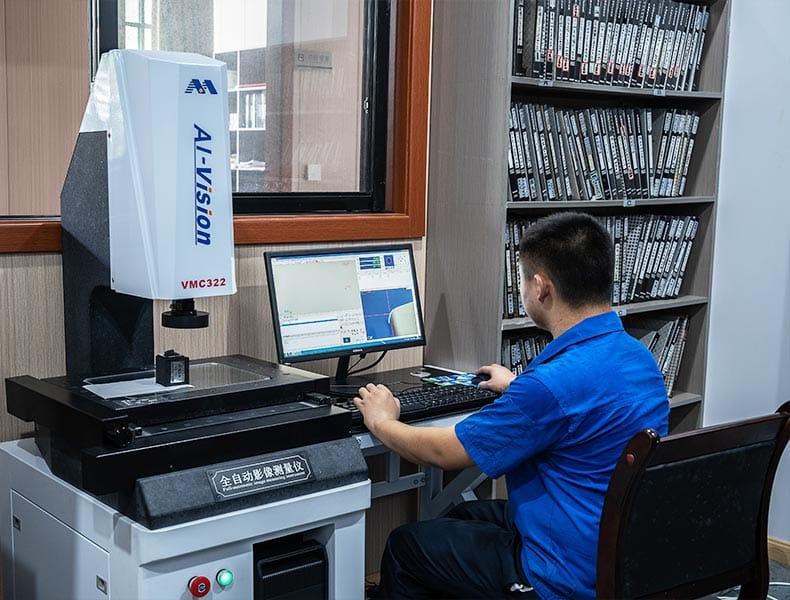
A supplier deserves additional review if you repeatedly see the following behavior.
1. Instant quotation for a complex part
Fast response is good.
A technically demanding part being quoted without any engineering questions is not always good.
2. Every tolerance is accepted without discussion
A capable manufacturer should recognize which tolerances are difficult or costly.
3. No explanation of the forming sequence
The supplier should at least be able to explain the general manufacturing concept.
4. The supplier focuses only on the first sample
Mass-production stability should be discussed before the sample is approved.
5. Material substitution is treated casually
Alternative material grades should be technically evaluated and approved.
6. Quality documentation is discussed only after production
Requirements such as PPAP, material certificates and special inspection should be defined early.
7. The quotation is too vague to compare
If tooling, secondary operations, coating or testing are unclear, the price comparison may not be meaningful.
What Should You Send a Custom Fastener Manufacturer Before Tooling?
A strong supplier evaluation is easier when the manufacturer receives complete technical information.
Prepare:
- Controlled 2D drawing
- 3D model where useful
- Material specification
- Mechanical-property requirements
- Heat-treatment requirements
- Surface-treatment requirements
- Critical dimensions
- Thread specification
- Required inspection method
- Annual demand
- Typical order quantity
- Project life
- Prototype quantity
- Required quality documentation
- Packaging requirements
- Target production date
- Application information
If a final drawing does not yet exist, provide as much functional information as possible.
A sample, assembly sketch or mating-part dimensions can often help start the engineering discussion.
For additional guidance, see Romy’s Custom Cold-Headed Fasteners: A Practical Guide for Buyers.
Supplier Selection Should Happen Before Tooling Becomes a Sunk Cost
The best time to identify a weak supplier is before money, time and validation effort are committed.
For custom fasteners, supplier evaluation should answer three fundamental questions:
Can they make the part?
This is a question of equipment, tooling, materials and engineering knowledge.
Can they make it repeatedly?
This is a question of process capability, inspection, tool life, material control and traceability.
Can they support the program economically?
This is a question of production volume, tooling strategy, secondary operations, capacity, communication and long-term cost.
A supplier that performs well in all three areas is much more valuable than one that simply produces an attractive first sample.
Why Engineering Capability Matters in Custom Fastener Manufacturing
Custom fasteners frequently create the most value when several functions can be integrated into one production-ready component.
A special-shaped cold-headed component may combine features such as:
- Threaded fastening
- Location
- Torque transmission
- Anti-rotation
- Spacing
- Alignment
- Actuation
- Structural support
This can sometimes reduce the need for separate washers, spacers, pins, sleeves or machining operations.
But functional integration places more responsibility on tooling design and manufacturing control.
That is why the right manufacturer should become involved before the design is frozen, not only after the drawing is ready for purchasing.
You can explore examples of Romy’s current custom cold-headed fasteners and precision components to see how different formed geometries are used across automotive, industrial, EV and construction applications.
Evaluating Romy for a Custom Fastener Project
Ningbo Romy Fasteners focuses on custom non-standard cold-headed fasteners and precision cold-formed components.
Its manufacturing model covers development from drawings or samples through tooling, sampling and mass production.
For a new project, buyers can use the same evaluation framework described in this article.
Ask Romy’s engineering team to review:
- Part geometry
- Material
- Functional dimensions
- Expected annual volume
- Possible forming sequence
- Secondary operations
- Tooling concept
- Inspection requirements
- Quality documentation
The objective should be to determine the best manufacturing route before tooling begins.
Learn more about Romy’s Custom Cold Heading Solutions or contact the engineering team with a drawing or sample for project review.
Frequently Asked Questions
How do I choose a custom fastener manufacturer?
Evaluate more than price. Review the manufacturer’s experience with similar geometry, DFM capability, tooling knowledge, material control, inspection capability, quality documentation, production capacity and ability to maintain consistent mass production.
What should I ask a custom fastener manufacturer before paying for tooling?
Ask how the part will be manufactured, which features will be cold formed, which features require secondary operations, how critical dimensions will be measured, how tooling wear will be controlled and what production-intent samples will be provided.
Should a custom fastener manufacturer review my drawing before quotation?
Yes, particularly for non-standard or complex components. A DFM review can identify unnecessary tolerances, difficult geometry, material-flow risks and secondary processes that influence tooling cost and unit price.
Is the lowest custom fastener quotation usually the best choice?
Not necessarily. Quotations may be based on different assumptions about material, tooling, machining, heat treatment, coatings, inspection and documentation. Compare the full manufacturing scope before comparing unit prices.
Why is in-house tooling important for custom cold-headed parts?
Tooling directly controls material flow, geometry and repeatability. Close integration between tooling engineers and production personnel can make troubleshooting, tool maintenance and process optimization faster.
What is the difference between a prototype and a production-intent sample?
A prototype may confirm fit or geometry but may be machined or produced through a temporary process. A production-intent sample should represent the actual tooling, material, forming process and secondary operations planned for mass production.
What information should I include in a custom fastener RFQ?
Provide a controlled 2D drawing, material, tolerances, heat treatment, surface treatment, annual volume, order quantity, application, quality requirements, inspection requirements and target schedule. A 3D model can also help with complex geometry.
Can a custom fastener manufacturer help optimize an existing design?
Yes. An experienced manufacturer may recommend changes to radii, tolerances, material, forming features or secondary operations to improve manufacturability, tool life, production stability and total cost.
Start the Engineering Review Before You Start the Tooling
A custom fastener project becomes much easier to control when manufacturing risks are identified before tooling is released.
If you are developing a non-standard bolt, screw, shaft, sleeve, spline, bushing or special-shaped cold-headed component, send your drawing, sample and expected production volume to Romy for an engineering and manufacturability review.
Request a Custom Fastener Project Review
Romy supports custom cold-headed component development from engineering review and precision tooling through sampling and mass production.