
Table of Contents
Choosing the right Automotive Cold Heading Parts is not simply a matter of comparing dimensions and unit prices. Automotive components may be exposed to vibration, repeated loading, temperature changes, corrosion, impact, and long service cycles. A small mistake in material selection, tolerance definition, tooling design, or supplier qualification can create assembly problems or costly quality risks later.
This buyer’s guide explains how to evaluate cold-headed automotive components from drawing review to mass-production approval.
Key Takeaways
- Define the application, load conditions, installation method, and failure risks before requesting a quotation.
- Select materials according to strength, ductility, corrosion resistance, weight, and heat-treatment requirements.
- Confirm which dimensions can be formed directly and which require secondary machining.
- Review tolerances according to actual assembly functions rather than applying unnecessarily tight limits everywhere.
- Ask suppliers about tooling development, process control, traceability, inspection equipment, and automotive quality systems.
- Approve samples under realistic assembly and operating conditions before mass production.
- Compare total landed cost, tooling life, rejection risk, and delivery stability—not only unit price.
- Use PPAP-style documentation when the component affects safety, fit, function, or long-term vehicle performance.
What Are Automotive Cold Heading Parts?
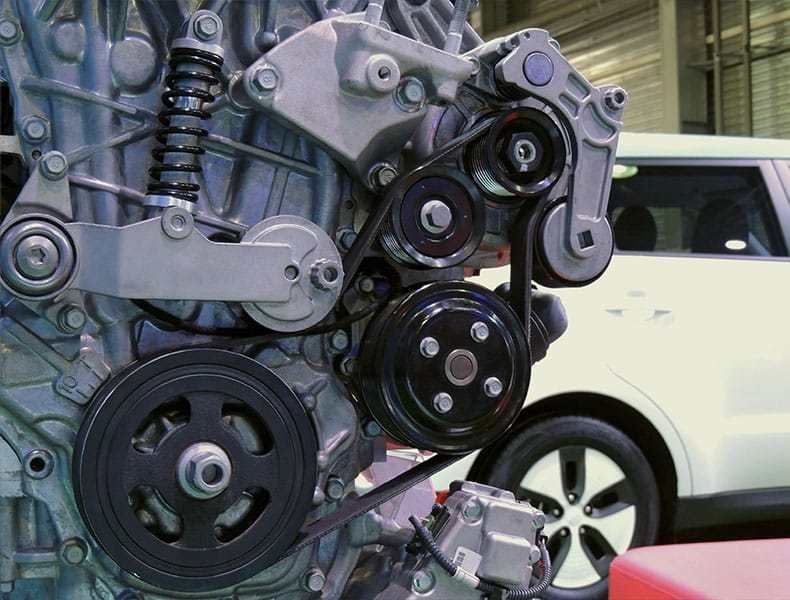
Automotive Cold Heading Parts are metal components formed by forcing wire or a prepared metal blank into one or more dies at or near room temperature. Instead of removing large amounts of material, the process redistributes metal through upsetting, extrusion, heading, piercing, and calibration.
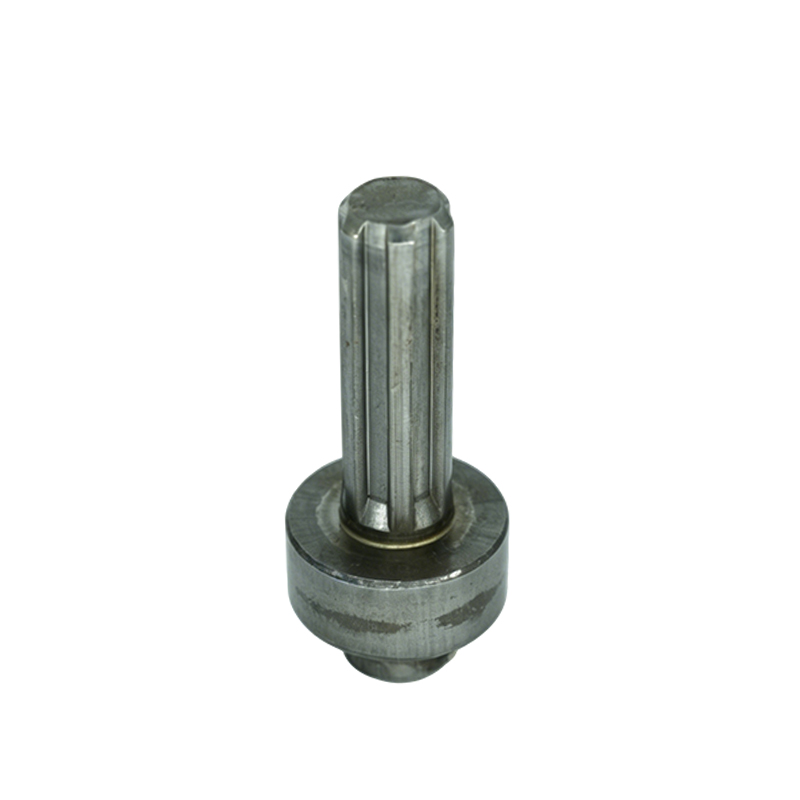
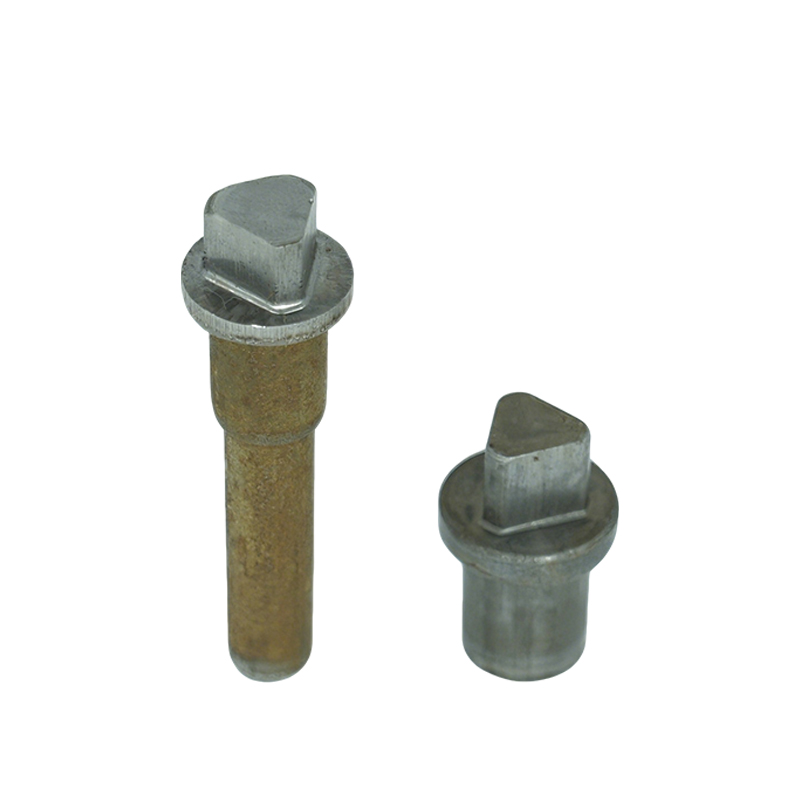
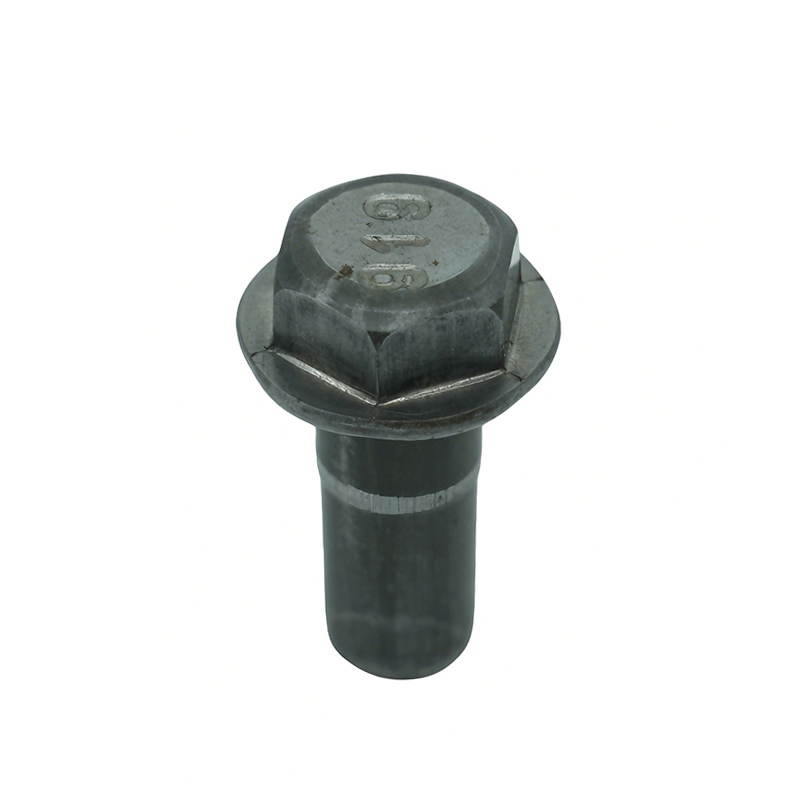
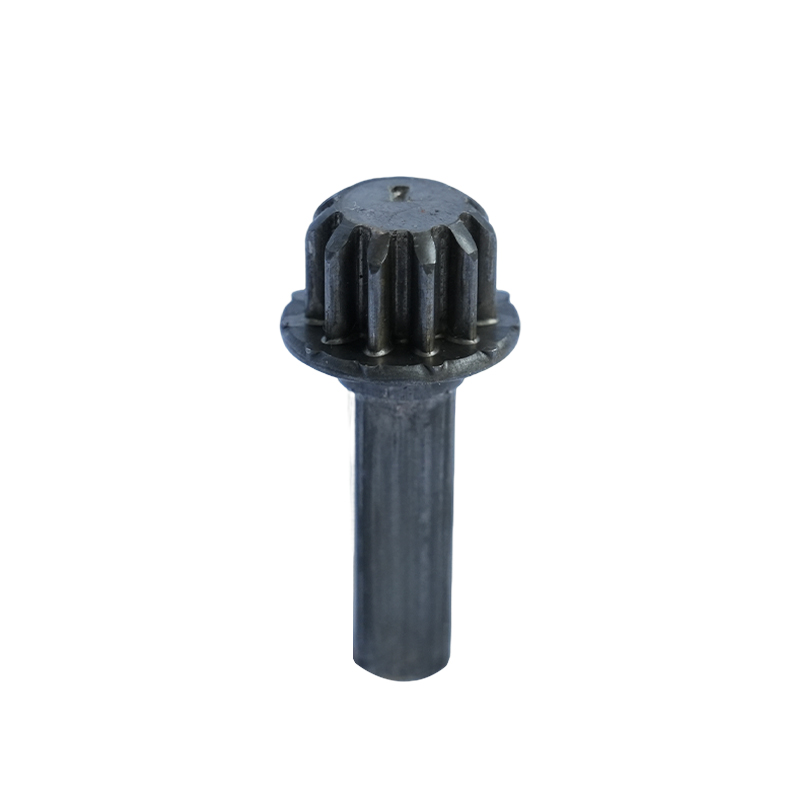
The method is commonly used for fasteners, shafts, sleeves, bushings, mounting columns, rivet components, inserts, adjusting screws, gears, and other precision parts. Buyers can view examples in Romy Metal’s Automotive Cold Heading Parts category.
Plastic Deformation
Plastic deformation means that the metal permanently changes shape under compressive force. The material flows into the die cavity rather than being cut away as chips.
This process can provide high material utilization and repeatable geometry when the component is properly designed for cold forming.
Continuous Grain Flow
Cold heading generally preserves the material’s grain flow around the formed shape. Machining, by comparison, cuts through the original grain structure when material is removed.
Continuous grain flow can be useful for components exposed to fatigue, vibration, or repeated mechanical loading, although final performance still depends on material grade, heat treatment, geometry, and process control.
Work Hardening
As the metal is deformed, its hardness and strength can increase in heavily formed areas. This effect is called work hardening.
However, excessive deformation can reduce ductility and increase cracking risk. Experienced suppliers divide complex deformation across several forming stations to control material flow.
For a more detailed explanation, read Romy Metal’s guide to the cold heading process in fastener manufacturing.
Where Are Automotive Cold Heading Parts Used?
Cold-headed components appear throughout conventional vehicles, electric vehicles, commercial vehicles, and automotive subassemblies.
Suspension and Chassis Systems
Suspension mounting columns, shock absorber sleeves, inserts, and connecting components must maintain dimensional stability under vibration and repeated loads.
For these applications, buyers should pay close attention to fatigue performance, concentricity, surface condition, hardness distribution, and corrosion protection.
Engine and Powertrain Systems
Engine valve spring seats, oil pump shafts, bleed screws, and transmission-related components may require precise geometry and controlled mechanical properties.
Temperature Exposure
Parts near engines, exhaust systems, or fluid circuits may experience elevated temperatures. Material and coating choices should therefore reflect the real operating environment rather than room-temperature testing alone.
Rotational Accuracy
Shafts, splines, and gear-like parts may require controlled runout, tooth geometry, concentricity, and surface finish. These features should be clearly identified as critical characteristics on the drawing.
Door, Window, and Locking Systems
Automotive door lock sleeves, rivet parts, gear shafts, and window adjustment components are often produced in large volumes.
Although these components may appear simple, inconsistent dimensions can cause noise, poor movement, loose assembly, or excessive installation force.
Steering and Safety-Related Assemblies
Steering shafts, connecting rods, mounting parts, and structural fasteners may influence vehicle control or occupant safety.
Such components require more detailed supplier qualification, process traceability, validation testing, and change management than non-critical decorative hardware.
EV and Mobility Applications
Electric vehicles create demand for lightweight components, motor shafts, battery mounting hardware, electrical connectors, and specialized cold-headed parts.
Buyers can also review Romy Metal’s EV and mobility parts when evaluating parts for electric powertrains and mobility systems.
How Do You Define the Right Automotive Cold Heading Parts?
The most effective sourcing projects begin with a complete technical requirement rather than a basic drawing and annual volume.
Start With the Component’s Function
Ask what the part must actually do:
- Does it carry a static load?
- Will it experience vibration or repeated stress?
- Does it rotate, slide, lock, seal, guide, or position another part?
- Is it installed by pressing, riveting, threading, welding, or automated assembly?
- What happens if the component fails?
- Is the part exposed to water, road salt, oil, fuel, heat, or chemicals?
These questions help the supplier determine whether the proposed material and process are appropriate.
Identify Critical Characteristics
Not every dimension has the same importance. Critical characteristics are the dimensions or properties that directly affect safety, function, assembly, or regulatory compliance.
Examples include:
- Thread pitch diameter
- Spline profile
- Concentricity
- Press-fit diameter
- Hole position
- Flange thickness
- Overall length
- Hardness
- Coating thickness
- Tensile or proof-load performance
Marking these characteristics on the drawing helps suppliers build suitable inspection and control plans.
Provide Real Assembly Conditions
A drawing may not reveal how the part interacts with mating components. Provide mating-part dimensions, insertion force limits, torque values, assembly direction, and equipment restrictions when possible.
This information can help prevent a sample from passing dimensional inspection but failing during automated assembly.
Material Selection for Automotive Cold Heading Parts
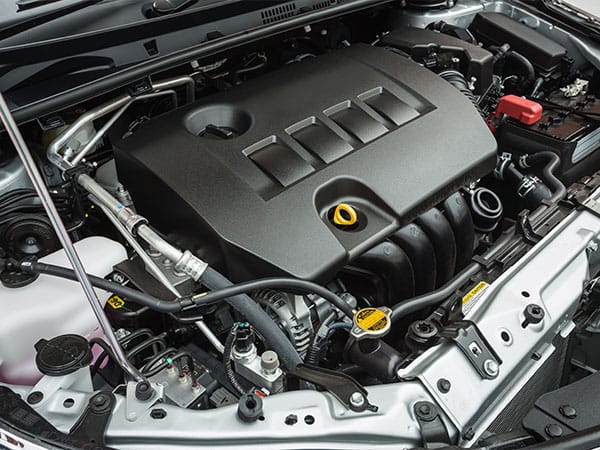
Material selection affects forming feasibility, strength, weight, corrosion resistance, heat treatment, cost, and service life.
Low-Carbon Steel
Low-carbon steel offers good formability and is commonly considered for sleeves, rivets, low-load fasteners, and general hardware.
It is often economical, but it may require heat treatment or surface protection when higher strength or corrosion resistance is needed.
Medium-Carbon and Alloy Steel
Medium-carbon and alloy steels can provide higher strength after suitable heat treatment. They are often considered for load-bearing fasteners, shafts, mounting components, and parts exposed to fatigue.
The supplier must control material chemistry, spheroidizing condition, deformation ratio, quenching, tempering, and decarburization risk.
Stainless Steel
Stainless steel is selected when corrosion resistance is a major requirement. It may be suitable for fluid-system parts, exterior applications, electrical components, and assemblies exposed to moisture.
Not all stainless grades behave the same during cold heading. Buyers should confirm formability, magnetic requirements, galling risk, strength, and passivation needs.
Aluminum
Aluminum can reduce component weight and provide good corrosion resistance. It may be suitable for selected EV, interior, electrical, or lightweight assembly applications.
Its lower density is attractive, but buyers must evaluate thread strength, wear, galvanic corrosion, temperature exposure, and deformation under load.
For a focused material comparison, see Automotive Cold Heading Parts: Steel vs Aluminum.
Copper and Copper Alloys
Copper alloys provide electrical and thermal conductivity, making them useful for connectors, terminals, and selected electrical-system components.
The exact alloy should be chosen according to conductivity, strength, corrosion resistance, and forming behavior.
Automotive Material Comparison Table
| Material | Main Advantages | Main Limitations | Typical Buying Considerations |
|---|---|---|---|
| Low-carbon steel | Good formability, economical, widely available | Lower untreated strength, may require coating | Formability, coating type, dimensional stability |
| Alloy steel | High strength and fatigue capability | Requires controlled heat treatment | Hardness, decarburization, tensile properties |
| Stainless steel | Strong corrosion resistance | Higher material and tooling cost | Grade, galling, passivation, magnetic properties |
| Aluminum | Lightweight and corrosion resistant | Lower wear and thread strength in some designs | Load, temperature, galvanic corrosion |
| Copper alloy | Good electrical conductivity | Higher raw-material cost | Conductivity, hardness, contact resistance |
| Custom alloy | Application-specific performance | Longer qualification and sourcing process | Availability, certificates, validation requirements |
The final choice should be based on verified operating conditions rather than a general preference for the strongest or cheapest material.
Cold Heading vs CNC Machining vs Hot Forging
Different manufacturing methods solve different engineering problems. A buyer should not automatically specify cold heading before evaluating geometry and annual demand.
| Factor | Cold Heading | CNC Machining | Hot Forging |
| Best production volume | Medium to very high | Prototype to medium volume | Medium to high volume |
| Material utilization | High | Lower because chips are removed | Moderate to high |
| Tooling investment | Moderate to high | Relatively low | Moderate to high |
| Unit cost at high volume | Usually low | Usually higher | Moderate |
| Dimensional repeatability | High with stable tooling | High | May require machining |
| Complex internal geometry | Limited without secondary work | Strong capability | Limited to moderate |
| Surface finish | Generally good | Excellent when specified | Rougher before finishing |
| Typical part size | Small to medium | Wide range | Medium to large |
When Should You Choose Cold Heading?
Choose cold heading when the component has stable demand, cold-formable geometry, suitable material ductility, and a need for repeatable high-volume production.
The process becomes especially attractive when machining would remove a large amount of material from every piece.
When Is CNC Machining Better?
CNC machining may be more suitable for low-volume programs, early prototypes, highly complex features, sharp internal corners, deep side holes, or frequent design changes.
Hybrid Manufacturing
Some Automotive Cold Heading Parts are cold formed near net shape and then finished by CNC machining. This hybrid method can reduce machining time while preserving precision on critical features.
When Is Hot Forging Better?
Hot forging is often considered for larger components or materials and geometries that cannot be formed reliably at room temperature.
It may require additional machining, scale removal, or surface finishing to achieve final dimensions.
Design for Cold Heading Manufacturability
A part that looks simple in CAD may be difficult or expensive to form. Early supplier involvement can reduce tooling risk and unnecessary secondary operations.
Avoid Extreme Diameter Changes
Large changes between the wire diameter and final head or flange diameter create high deformation loads.
A multi-station process may solve the problem, but the design should allow enough material flow between stages.
Use Practical Radii
Sharp corners concentrate stress in the material and tooling. Suitable radii can improve metal flow, reduce cracking, and extend die life.
Review Hole Geometry
Blind holes, stepped holes, deep recesses, and thin walls require careful punch design. Some holes can be backward-extruded during heading, while others are better drilled or machined afterward.
Control Length-to-Diameter Ratio
Very long, thin components may bend or buckle during forming. Straightness requirements should be evaluated together with unsupported length and material strength.
Separate Formed and Machined Features
Ask the supplier to identify which features will be:
- Cold headed
- Extruded
- Pierced
- Trimmed
- Thread rolled
- Ground
- Turned
- Milled
- Heat treated
- Plated or coated
This process map makes the quotation easier to understand and exposes potential quality risks.
How Tight Should the Tolerances Be?
A common purchasing mistake is applying very tight tolerances to every dimension. This can increase tooling complexity, inspection time, rejection rates, and unit cost without improving the assembly.
Functional Tolerance
A functional tolerance is based on what the component must do in the final assembly.
For example, a press-fit diameter may need close control, while a non-contact external diameter may allow a wider range.
Process-Capable Tolerance
A process-capable tolerance can be maintained consistently by the manufacturing process under normal production conditions.
Ask the supplier to distinguish between dimensions that are directly formed and those that require calibration, grinding, or machining.
Statistical Capability
For high-volume automotive programs, buyers may request process capability data for important dimensions.
Cpk and Ppk
Cpk evaluates process capability relative to specification limits under a stable process. Ppk measures overall process performance using broader production data.
Do not request a capability index without defining the characteristic, sample size, measurement method, production stage, and acceptance criteria.
Surface Treatments and Heat Treatment
Surface and thermal processes should be selected according to function, not appearance alone.
Zinc Plating
Zinc plating is commonly used to improve corrosion resistance on steel components. Buyers should define coating thickness, color, passivation, salt-spray expectations, and hydrogen-embrittlement controls where relevant.
Zinc-Nickel Coating
Zinc-nickel systems may be selected for more demanding corrosion environments. They are often considered for underbody, chassis, braking, and other exposed automotive applications.
Phosphate Coating
Phosphate coatings may support lubrication, wear control, or preparation for additional finishing.
Black Oxide
Black oxide provides a dark appearance and limited corrosion protection. It is normally used with oil or another protective treatment when corrosion resistance is required.
Heat Treatment
Quenching and tempering can improve the strength of suitable steel grades. However, the complete requirement should include hardness range, mechanical testing, case-depth restrictions, decarburization limits, and distortion control.
What Quality Documents Should Buyers Request?
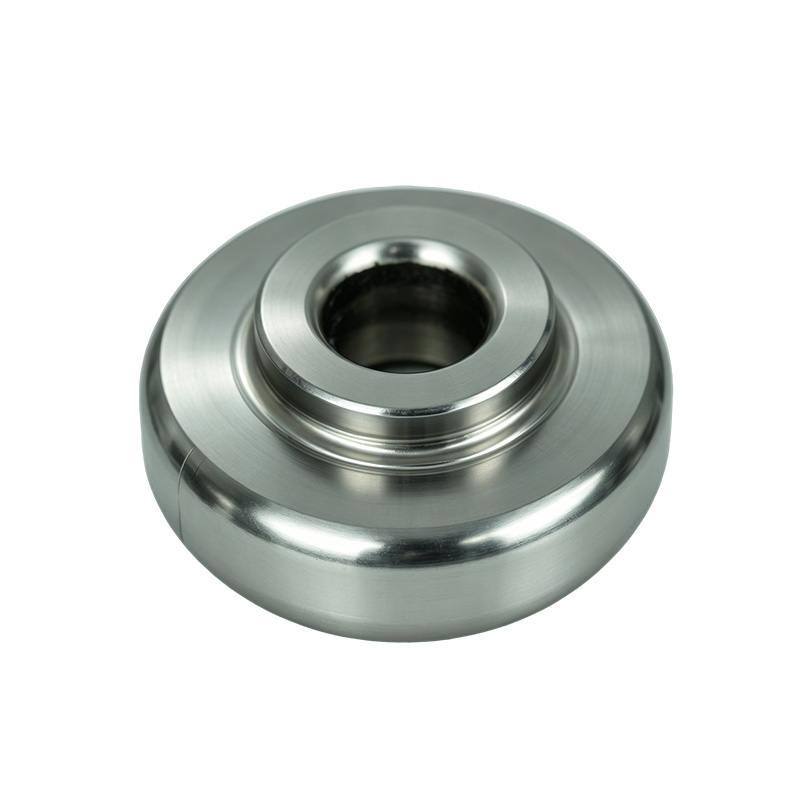
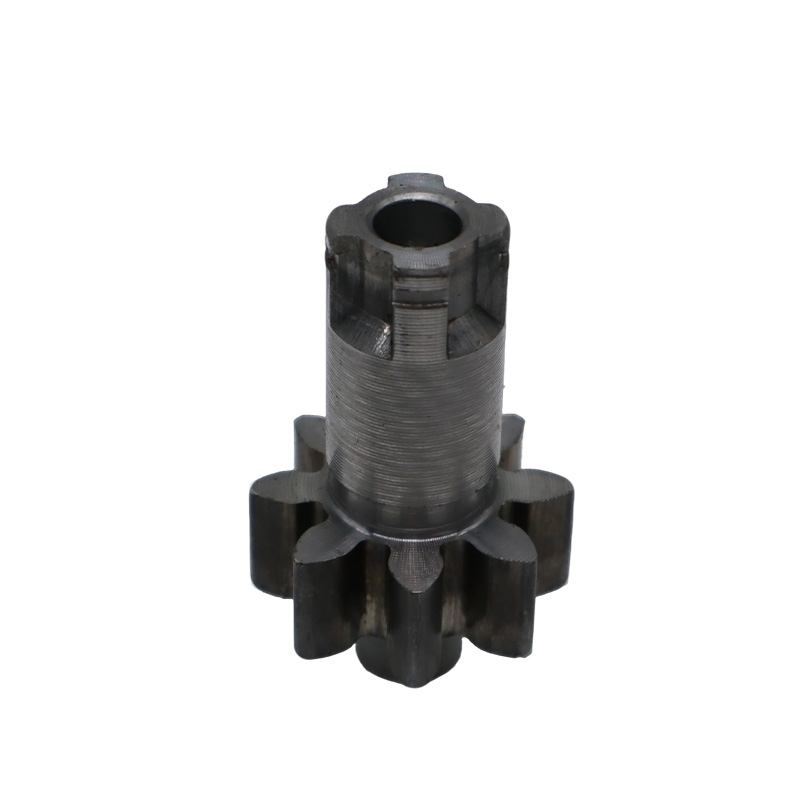
Automotive sourcing requires evidence that the production process can consistently reproduce the approved sample.
Material Certificate
The certificate should identify the material grade, heat or batch number, chemical composition, and relevant mechanical properties.
Dimensional Inspection Report
The report should show measured results against drawing requirements. Critical dimensions should be measured with appropriate calibrated equipment.
Control Plan
A control plan defines what will be inspected, how it will be measured, how often it will be checked, and what action will be taken when results move outside limits.
Process Flow Diagram
The process flow should cover raw-material receipt, forming, secondary machining, heat treatment, coating, inspection, packaging, and shipping.
PFMEA
A Process Failure Mode and Effects Analysis identifies potential manufacturing failures, their effects, causes, prevention methods, and detection controls.
PPAP Documentation
Depending on customer requirements, a Production Part Approval Process package may include design records, material reports, dimensional results, process capability studies, control plans, samples, and a Part Submission Warrant.
Automotive buyers should also review applicable OEM-specific requirements published through the International Automotive Task Force. The IATF provides the global framework for automotive quality-system oversight and publishes customer-specific requirements from participating vehicle manufacturers.
Which Standards May Apply?
The correct standard depends on the component type, material, customer, market, and safety classification.
IATF 16949
IATF 16949 is associated with automotive quality-management requirements and supply-chain quality systems.
Certification alone does not prove that one specific component is acceptable. Buyers must still review process capability, inspection records, traceability, change control, and customer-specific requirements.
ISO 898-1
For relevant carbon-steel and alloy-steel bolts, screws, and studs, buyers may refer to ISO 898-1.
The ISO standard defines mechanical and physical properties for covered threaded fasteners and specified property classes. It does not automatically apply to every custom shaft, sleeve, insert, or non-standard cold-headed component.
Customer Drawings and Specifications
Customer drawings normally remain the primary technical reference for custom Automotive Cold Heading Parts.
Any conflict between a drawing, industry standard, purchase order, and customer-specific requirement should be resolved before tooling begins.
Supplier Evaluation Checklist
A reliable supplier should demonstrate more than machine availability.
Engineering Capability
Ask whether the supplier can review drawings, conduct forming simulations, recommend design changes, and define secondary processes.
Questions to Ask
- Which features are difficult to cold form?
- How many forming stations are required?
- Where is cracking most likely to occur?
- Which tolerances require secondary machining?
- Can the material be changed without affecting performance?
- What is the expected tooling life?
Tooling Capability
In-house tooling can support faster adjustments, improved confidentiality, and better control over die maintenance.
Romy Metal states that it operates an in-house mold workshop and multiple automatic multi-station cold heading machines for custom component development and mass production.
Production Range
Confirm the supplier’s supported wire diameter, part length, flange diameter, forming force, machine type, and secondary-processing capability.
A machine may technically accept the part size while still being unsuitable for its deformation ratio or precision requirements.
Inspection Equipment
Depending on the component, useful equipment may include:
- Optical measuring systems
- Coordinate measuring machines
- Profile projectors
- Thread gauges
- Surface roughness testers
- Hardness testers
- Tensile testing machines
- Coating-thickness gauges
- Contour measuring instruments
- Salt-spray test chambers
Traceability
Traceability should connect finished batches with raw material, machine, tooling set, operator, heat-treatment lot, coating lot, inspection results, and shipment records.
Change Management
Ask how the supplier controls changes to materials, tooling, machines, heat-treatment sources, coating suppliers, inspection methods, and production locations.
No significant change should be introduced without the agreed notification and approval process.
Sample Approval Before Mass Production
Sample approval should verify more than appearance and basic dimensions.
Dimensional Validation
Measure all drawing characteristics using the agreed measurement method.
Critical dimensions may require multiple samples from different positions in the production run.
Assembly Testing
Install the samples in actual mating components. Check insertion force, torque, rotation, locking, noise, alignment, and automated feeding performance.
Mechanical Testing
Depending on function, testing may include:
- Tensile strength
- Proof load
- Shear strength
- Torque
- Hardness
- Fatigue
- Impact resistance
- Push-out or pull-out force
Environmental Testing
Components may need corrosion, temperature cycling, humidity, vibration, chemical resistance, or salt-spray testing.
Test the Complete System
A coating that performs well on a flat test panel may behave differently on threads, recesses, contact surfaces, or assembled joints. Whenever possible, validate the finished component in its real assembly.
How to Compare Supplier Quotations
The lowest quotation is not always the lowest-cost sourcing decision.
| Cost Element | Questions Buyers Should Ask |
| Tooling | Is the tooling fee one-time? Who owns the dies? |
| Unit price | Which material, heat treatment, and coating are included? |
| Inspection | Are full dimensional reports and capability studies included? |
| Packaging | Does the packaging prevent rust, mixing, and deformation? |
| Rejection risk | What is the supplier’s response to nonconforming parts? |
| Tool maintenance | Who pays for normal die repair and replacement? |
| Logistics | Are freight, duties, and export packaging included? |
| Engineering changes | What happens if the drawing changes after sample approval? |
| Lead time | Does the quoted schedule include tooling and sample validation? |
| Payment terms | Are tooling and production payments separated? |
Unit Price vs Total Cost
A lower unit price can be offset by unstable quality, frequent line stoppages, sorting, rework, urgent air freight, or delayed vehicle assembly.
Evaluate total cost over the expected program life.
Cheap Tooling vs Stable Tooling
Low-cost dies may shorten initial lead time or reduce upfront expense. However, unstable tooling can create dimensional drift, surface defects, and repeated maintenance.
For long-running programs, tooling life and maintenance planning are critical commercial factors.
Common Buyer Mistakes
Sending an Incomplete Drawing
Missing material grades, hardness, coating, tolerance references, or critical characteristics leads to assumptions and inconsistent quotations.
Selecting Material by Price Alone
The cheapest steel may not provide the necessary formability, strength, fatigue life, or corrosion resistance.
Skipping Assembly Testing
A dimensionally acceptable component can still jam an assembly machine, rotate incorrectly, create noise, or damage a mating part.
Ignoring Secondary Processes
Heat treatment, coating, machining, washing, sorting, and packaging can influence final performance as much as the heading operation.
Approving Samples Made by a Different Process
Prototype samples should represent the intended mass-production material, tooling, equipment, heat treatment, and coating whenever possible.
Changing the Drawing After Tooling
Late changes may require new dies, additional machining, or complete process redevelopment. Freeze critical interfaces before production tooling is released.
How Romy Supports Custom Automotive Cold Heading Projects
Romy Metal offers custom cold heading solutions for parts developed from customer drawings, samples, and application requirements.
Its website presents a process covering requirement analysis, engineering and quotation, prototype approval, production, inspection, and delivery. Romy also lists carbon steel, stainless steel, aluminum, copper, and custom alloy options across its cold-heading capabilities.
Drawing and Requirement Review
The engineering team can review the component’s dimensions, material, forming feasibility, expected volume, and secondary-process needs.
Tool and Sample Development
Custom tooling and samples allow the customer to verify fit, function, material performance, and inspection requirements before mass production.
Production and Quality Control
After approval, the project can move into controlled batch production with defined inspection and traceability requirements.
To discuss a new automotive component, buyers can contact Romy Metal and provide a drawing, target material, annual volume, application details, and required quality documents.
Conclusion
Selecting Automotive Cold Heading Parts requires a balance between design, material, forming feasibility, mechanical performance, quality documentation, and total program cost.
Begin with the actual application and clearly identify critical characteristics. Then compare manufacturing methods, material options, tooling strategies, secondary operations, inspection systems, and supplier capabilities. Samples should be tested in real assemblies, and mass production should not begin until technical and quality requirements are documented and approved.
A capable cold-heading supplier should act as an engineering partner rather than simply quoting a drawing. By involving the supplier early, buyers can reduce unnecessary machining, improve material utilization, control quality risks, and create a more stable automotive supply chain.
FAQ
What information should I send when requesting a quote?
Send a 2D drawing, 3D model if available, material specification, heat-treatment requirement, surface finish, annual demand, order quantity, application description, critical dimensions, and required quality documents.
Providing mating-part information can also help the supplier review assembly risks.
Are cold-headed parts stronger than machined parts?
Cold heading can preserve continuous grain flow and create work hardening in formed areas, while machining removes material and cuts through the original grain structure.
However, the final strength depends on material, geometry, deformation, heat treatment, surface condition, and testing. It should not be assumed that every cold-headed design is automatically stronger.
Can complex automotive components be cold headed?
Many shafts, sleeves, inserts, special fasteners, gears, and mounting parts can be cold headed using multi-station forming.
Extremely complex features may require a combination of cold heading, trimming, rolling, grinding, drilling, turning, or milling.
What is a reasonable order quantity?
Cold heading is generally more economical when tooling costs can be distributed across medium or high production volumes.
There is no universal minimum quantity because the economic threshold depends on material price, part complexity, tooling cost, machining alternatives, and expected program life.
How long does custom tooling take?
Lead time depends on drawing complexity, die material, number of forming stations, simulation requirements, trial results, and required revisions.
Ask the supplier to separate tooling design, die manufacturing, trial production, sample inspection, and approval time in the schedule.
What causes cracks in Automotive Cold Heading Parts?
Cracks may result from low material ductility, unsuitable wire condition, excessive deformation, sharp geometry, poor lubrication, incorrect die design, surface defects, or misalignment.
A multi-stage forming plan can distribute deformation and reduce localized stress.
Do automotive cold heading suppliers need IATF 16949?
The requirement depends on the customer, supply-chain position, component application, and OEM-specific rules.
For automotive programs, an IATF 16949-certified quality system can be an important supplier-qualification factor, but buyers should also verify certificate validity, scope, process controls, audit results, and part-specific documentation.
How can I reduce the cost of a custom cold-headed part?
Consider increasing allowable radii, widening non-critical tolerances, reducing unnecessary machining, selecting a more formable material, standardizing coatings, and increasing production batch size.
Early design-for-manufacturing discussions usually create more savings than negotiating price after the tooling design is fixed.
Should I choose steel or aluminum?
Choose steel when strength, stiffness, wear resistance, or thread performance is the priority.
Choose aluminum when weight reduction and corrosion resistance are more important and the application loads remain within the material’s capability.
How do I know whether a supplier can maintain quality at high volume?
Review process capability data, control plans, inspection frequency, tooling-maintenance records, traceability systems, nonconformance procedures, capacity planning, and production samples from a representative batch.
A successful prototype alone does not prove long-term mass-production stability.