
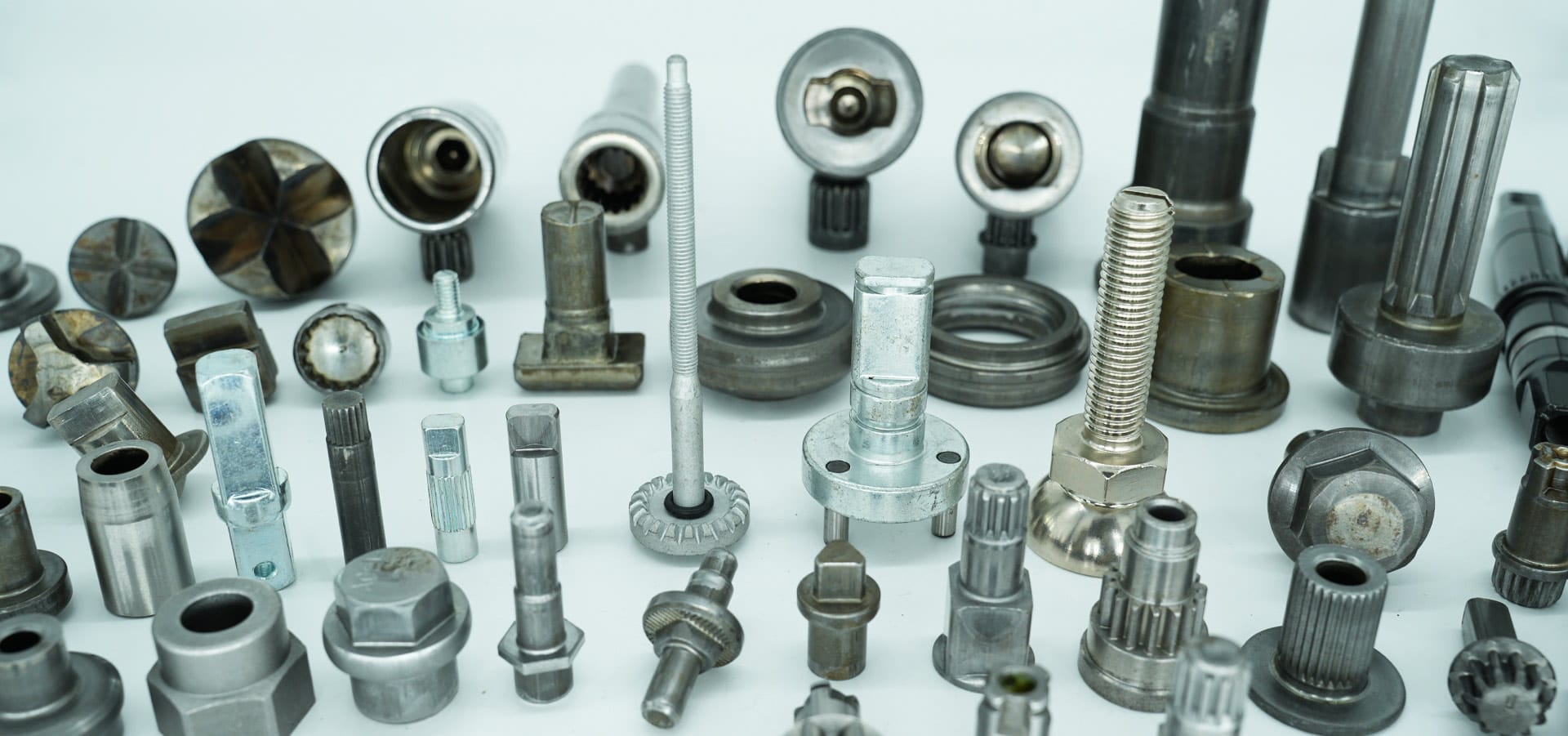
When standard screws, bolts, pins, or rivets cannot meet a specific assembly requirement, custom cold-headed fasteners can provide the right combination of geometry, material performance, production efficiency, and installation reliability. However, successful customization depends on more than simply sending a drawing to a manufacturer.
This guide explains:
- What a custom Cold-Headed Fastener is
- When customization is more suitable than standard parts
- Which materials and finishes are available
- How cold heading compares with machining
- What information buyers should include in an RFQ
- How manufacturers evaluate tolerances and tooling
- Which quality documents should be requested
- How to reduce cost without weakening performance
- Which questions to ask before selecting a supplier
Table of Contents
What Is a Custom Cold-Headed Fastener?
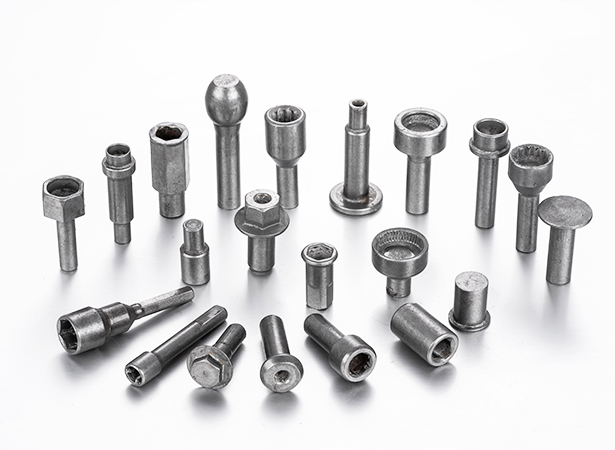
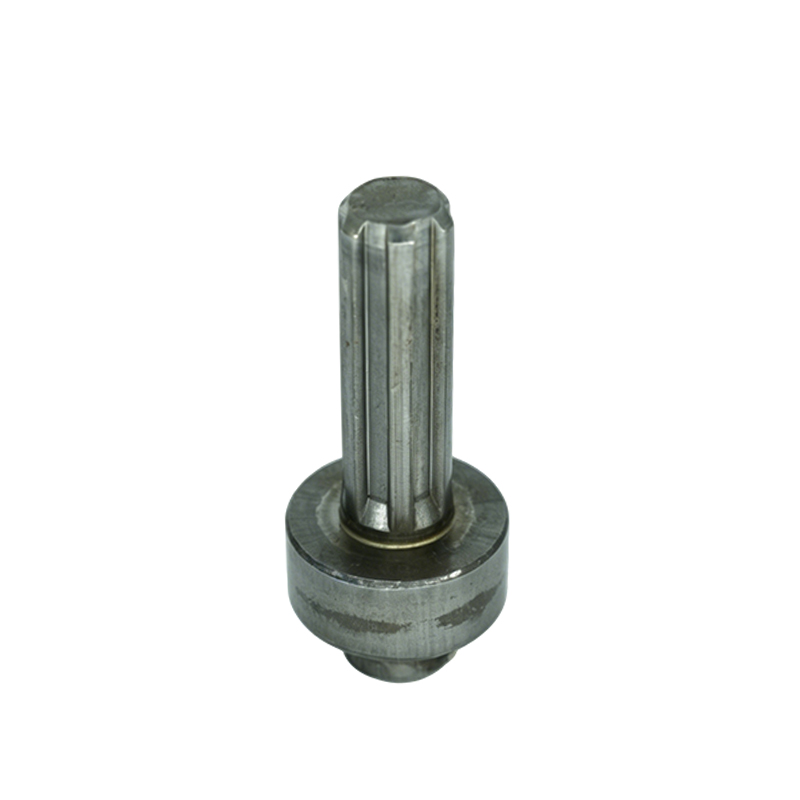
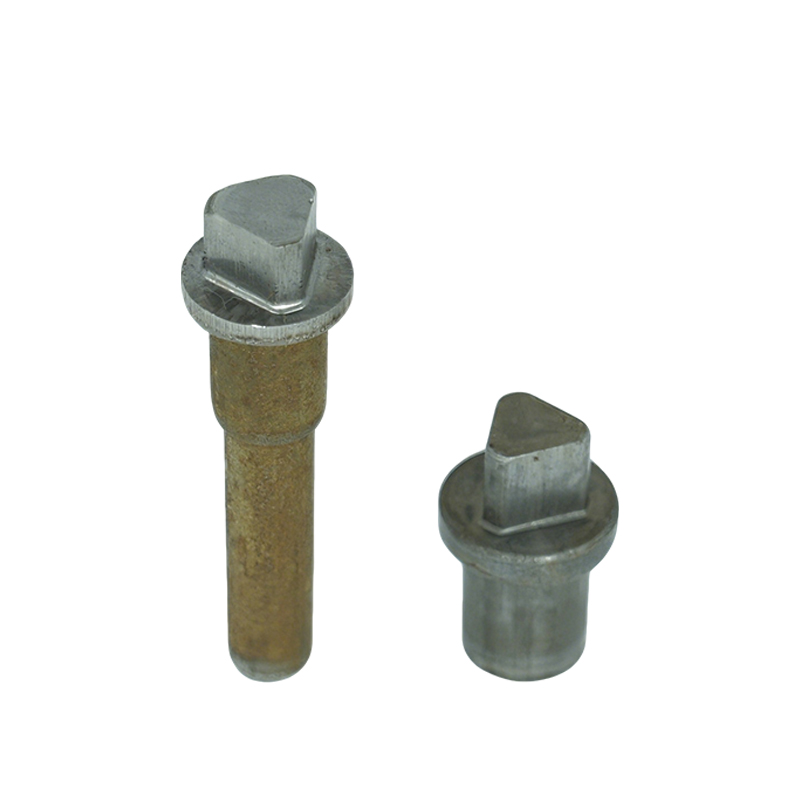
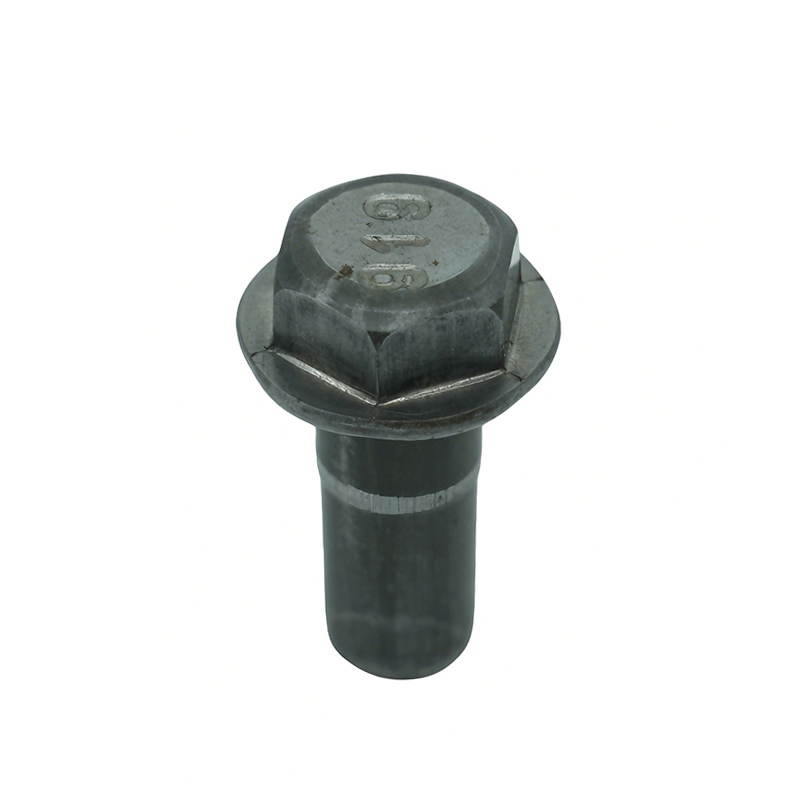
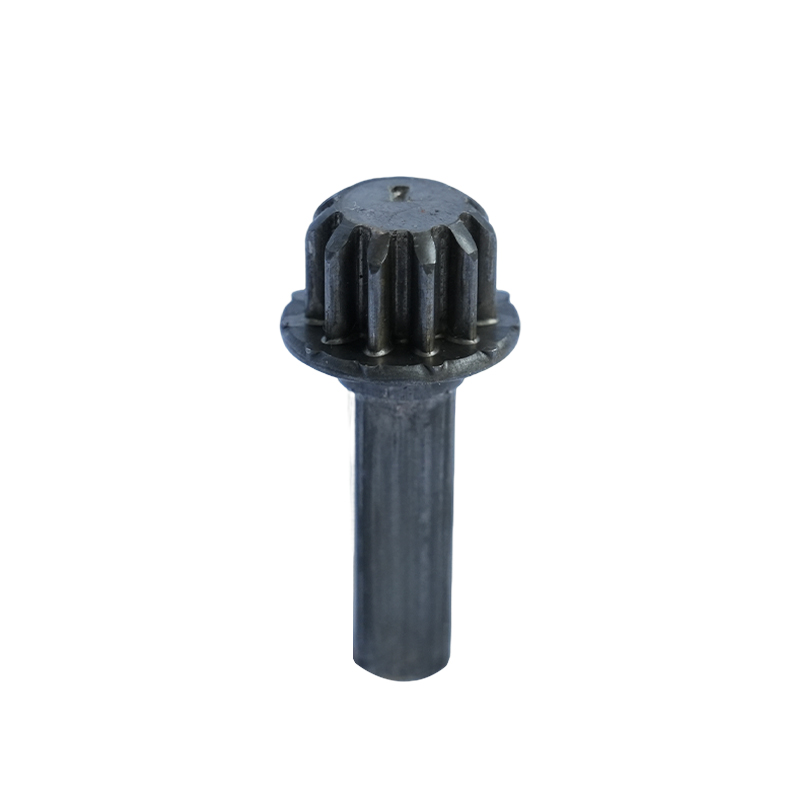
A custom Cold-Headed Fastener is a metal fastening component formed by forcing wire into a die at or near room temperature. Pressure reshapes the material into a required head, shank, recess, flange, or stepped profile without removing large amounts of metal.
Unlike standard catalog fasteners, custom parts are manufactured according to application-specific drawings, dimensions, materials, mechanical properties, or surface requirements. Typical products include special screws, shoulder bolts, weld studs, rivets, pins, standoffs, and non-standard formed components.
Cold heading
Cold heading is a high-speed forming process that converts wire into a near-net-shape component. Because the material is displaced rather than cut away, the process can achieve efficient material use and high production consistency.
Custom tooling
Custom tooling includes dies, punches, and supporting tools designed around the required part geometry. Tool design directly affects dimensional stability, head formation, production speed, and tool life.
Near-net-shape manufacturing
Near-net-shape manufacturing produces a component that is already close to its final dimensions. Secondary processes such as thread rolling, trimming, heat treatment, coating, or limited machining may still be required.
When Do You Need Custom Cold-Headed Fasteners?
Buyers often ask, “Do I really need a custom fastener, or can I modify a standard one?” The answer depends on whether an existing product can meet the functional, dimensional, and commercial requirements of the assembly.
A customized solution may be appropriate when:
- The available installation space is limited
- A special head or drive style is required
- The fastener must support multiple assembly functions
- Standard shoulder or shank dimensions do not fit
- Weight reduction is important
- Automated installation requires consistent feeding
- Electrical conductivity or corrosion resistance is critical
- The component must meet a customer-specific drawing
- A standard fastener requires too many secondary modifications
- High-volume production makes dedicated tooling economical
Space-restricted assemblies
Automotive, electronics, appliance, and machinery assemblies often leave little room for conventional bolt heads or installation tools. A low-profile head, reduced flange, special recess, or combined feature can improve installation access.
Multi-function components
A custom Cold-Headed Fastener can sometimes replace a fastener, spacer, washer, or locating pin with one formed component. This can simplify the bill of materials and reduce assembly steps.
Automated production lines
Fasteners used in automated assembly must feed, orient, and install consistently. Controlled head geometry, shank straightness, and dimensional repeatability can reduce jamming and unplanned production stops.
Custom Cold-Headed Fastener Design Options
Cold heading supports many shapes, but not every geometry can be formed economically in a single operation. Early communication with the manufacturer helps determine which features should be cold formed and which may require secondary processing.
Head styles
Possible head designs include hex, round, flat, pan, button, flange, countersunk, low-profile, and application-specific shapes. The head diameter and height must be balanced with material flow and installation loads.
Drive systems
Common drive options include slotted, Phillips, hex socket, six-lobe, square, and custom recesses. Drive depth and wall thickness should be reviewed carefully to prevent cracking or deformation.
Shank configurations
A custom shank may include shoulders, reduced diameters, grooves, knurls, dog points, pilot points, or multiple diameter transitions. These features can support alignment, retention, spacing, or controlled movement.
Thread options
Threads are commonly produced by thread rolling after heading. Rolled threads generally offer efficient production and favorable grain flow compared with cut threads.
Partial threads
Partial threads are useful when the unthreaded shank must locate components or carry shear loads. Buyers should clearly define thread length and transition requirements.
Special threads
Fine, coarse, self-tapping, machine, and customer-specific thread forms may be available. The selected thread should match the mating material, installation method, and required clamp load.
Cold Heading vs Machining: Which Should You Choose?
Both processes can produce precision metal components, but their economic and technical strengths are different.
| Comparison factor | Cold heading | CNC machining |
|---|---|---|
| Material use | High; limited scrap | Lower; material is cut away |
| Production speed | Very high after setup | Generally slower per part |
| Tooling cost | Higher initial tooling cost | Lower initial setup for simple parts |
| Unit cost | Competitive at medium or high volume | Better suited to prototypes or low volume |
| Shape flexibility | Limited by material flow and tooling | Suitable for complex cut features |
| Grain flow | Follows the formed profile | Grain structure is interrupted by cutting |
| Surface finish | Smooth formed surfaces | Depends on tools and cutting parameters |
| Typical application | Repetitive, high-volume parts | Low-volume or highly complex parts |
When is cold heading the better option?
Cold heading is generally attractive when annual demand is high enough to justify tooling and the component can be formed reliably. It is especially valuable when production speed, material efficiency, and repeatability are important.
When does machining make more sense?
Machining may be more practical for prototypes, small production runs, very tight local tolerances, deep holes, sharp internal corners, or features that cannot be formed. A hybrid process can also be used: cold heading creates the main shape, while machining adds critical details.
How to Select a Material for a Cold-Headed Fastener
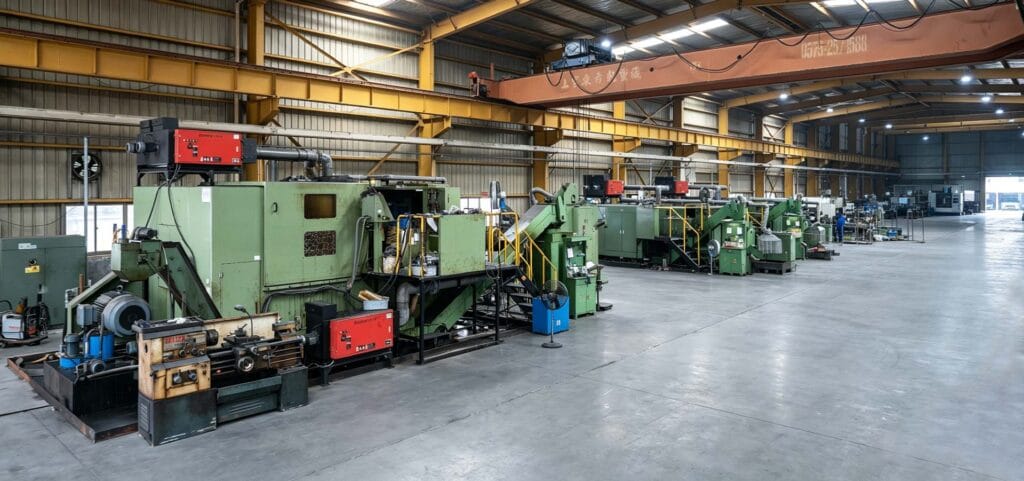
Material selection should be based on forming behavior as well as final mechanical performance. A grade with excellent strength may still create production problems if it has insufficient ductility for the required deformation.
Carbon steel
Carbon steel is widely used because it offers a practical balance of formability, strength, availability, and cost. Heat treatment and protective coatings can be added when higher hardness or corrosion resistance is required.
Alloy steel
Alloy steel is suitable for demanding mechanical applications requiring increased strength, fatigue resistance, or wear performance. The heat treatment process must be controlled to achieve the specified property class.
Stainless steel
Stainless steel provides corrosion resistance for outdoor, food-processing, medical, chemical, and marine-related applications. Different stainless grades have different forming characteristics, so the manufacturer should confirm material suitability before tooling begins.
Aluminum
Aluminum reduces component weight and offers natural corrosion resistance. It is commonly considered for electronics, transportation, and lightweight assemblies where extreme strength is not the primary requirement.
Copper and brass
Copper and brass are used when electrical conductivity, appearance, or corrosion resistance is important. Typical applications include electrical contacts, terminals, fittings, and decorative components.
Material and Application Comparison
| Material | Main advantage | Important consideration | Typical applications |
|---|---|---|---|
| Low-carbon steel | Good formability and economical cost | Usually needs corrosion protection | General equipment and appliances |
| Medium-carbon steel | Higher strength after heat treatment | Forming and heat treatment require control | Automotive and machinery |
| Alloy steel | High mechanical performance | Higher material and processing cost | Structural and high-load assemblies |
| Stainless steel | Strong corrosion resistance | Greater forming force may be required | Outdoor and sanitary equipment |
| Aluminum | Lightweight and corrosion-resistant | Lower strength than many steels | Electronics and transportation |
| Copper or brass | Conductive and visually attractive | Higher raw-material cost | Electrical and decorative parts |
Key Tolerances Buyers Should Define
A common question is, “How tight should my fastener tolerances be?” The best answer is: only as tight as the assembly actually needs.
Unnecessarily tight tolerances may increase tooling complexity, inspection time, rejection rates, and unit cost. Buyers should separate function-critical dimensions from non-critical dimensions on the drawing.
Head dimensions
Head diameter and height affect seating, tool engagement, appearance, and pull-through resistance. These dimensions should reflect both assembly needs and realistic forming capability.
Concentricity
Concentricity between the head, shank, and threaded section can be important for rotating assemblies or automated feeding. The required measurement method should be agreed upon before production.
Shoulder dimensions
Shoulder diameter and length are often critical when the fastener acts as a pivot, spacer, stop, or locating feature. These dimensions may require additional sizing or machining when extremely close tolerances are specified.
Thread requirements
The drawing should identify thread standard, size, pitch, fit class, thread length, and any gauge requirements. It should also state whether incomplete threads are acceptable near the shoulder or head.
Surface Finishes for Custom Cold-Headed Fasteners
Surface treatment affects corrosion resistance, friction, appearance, electrical properties, and assembly performance. The coating should be chosen according to the service environment rather than appearance alone.
Zinc plating
Zinc plating is a common and economical option for carbon-steel fasteners. Different passivations can provide different colors and corrosion-protection levels.
Zinc-nickel coating
Zinc-nickel is often selected for automotive and demanding industrial environments. It can provide improved corrosion protection compared with conventional zinc systems.
Black oxide
Black oxide creates a dark appearance with limited dimensional change. Additional oil or sealant is normally needed because black oxide alone offers modest corrosion resistance.
Phosphate coating
Phosphate coatings can improve oil retention and provide a useful surface for further coating or lubrication. They are frequently used on threaded components and automotive parts.
Passivation
Passivation is commonly applied to stainless steel to remove surface contamination and support its natural corrosion resistance. The required standard should be specified in purchasing documents.
How Is a Custom Cold-Headed Fastener Manufactured?
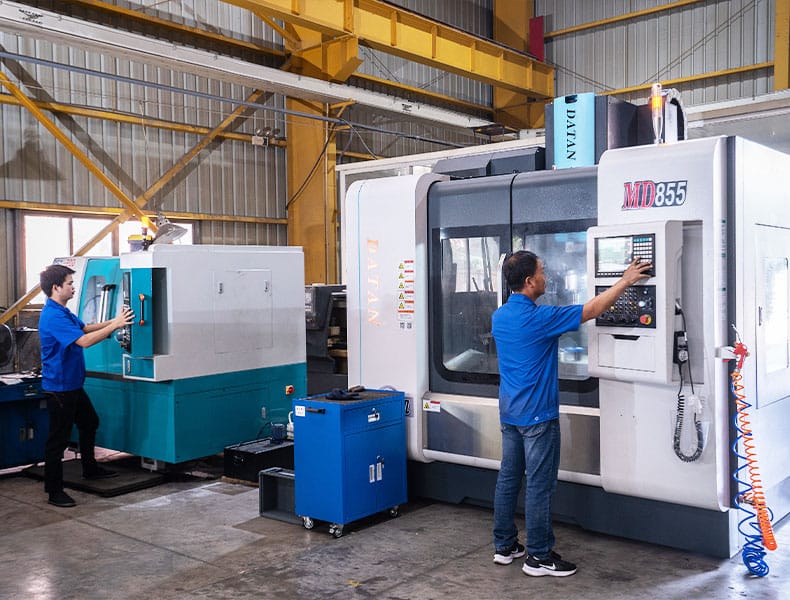
The exact production route depends on the part, but most projects follow a similar sequence.
1. Drawing and feasibility review
The supplier reviews geometry, tolerances, material, volume, and application requirements. Potential forming risks and recommended design changes should be discussed before tooling approval.
2. Wire preparation
Wire is selected according to grade, diameter, surface condition, and mechanical properties. Some materials may require cleaning, coating, annealing, or controlled preparation for stable forming.
3. Multi-station cold heading
The wire is cut to a controlled length and transferred through several forming stations. Each station gradually moves material into the required profile, reducing the risk of folds, cracks, or incomplete filling.
4. Secondary processing
Secondary operations may include thread rolling, pointing, trimming, drilling, knurling, slotting, or localized machining. These processes complete features that cannot be produced during heading.
5. Heat treatment and coating
Heat treatment may be used to achieve specified hardness, tensile strength, or property class. Coating or plating is then applied according to environmental and assembly requirements.
6. Inspection and packaging
Dimensions, threads, mechanical properties, coating thickness, and appearance are inspected according to the agreed control plan. Packaging should prevent mixing, corrosion, and transit damage.
What Should You Include in an RFQ?
A vague request such as “Please quote this screw” usually leads to delays and uncertain pricing. A complete RFQ enables the Cold-Headed Fastener manufacturer to evaluate tooling, material, processing, inspection, and packaging accurately.
Include the following information:
- A 2D drawing with dimensions and tolerances
- A 3D model when geometry is complex
- Material grade and applicable standard
- Required mechanical properties
- Heat treatment requirements
- Surface finish and coating thickness
- Thread specification and fit class
- Annual demand and order quantity
- Prototype and production schedules
- Inspection and testing requirements
- Application and service environment
- Packaging, labeling, and traceability needs
- Required certifications or documentation
What if I do not have a finished drawing?
Provide a sample, assembly sketch, photos, mating-part dimensions, and a description of how the component functions. An experienced supplier may help convert these details into a manufacturable design, but final dimensions and performance requirements should be approved by the buyer.
Should I disclose the application?
Yes, whenever confidentiality arrangements allow it. Knowing whether the part is used in an engine, appliance, electrical terminal, medical device, or outdoor structure helps the manufacturer identify material, coating, fatigue, and safety considerations.
How to Control Cost Without Sacrificing Quality
The lowest quoted unit price does not always produce the lowest total purchasing cost. Tool life, defect rates, delivery stability, inspection, assembly performance, and supplier response all affect the final cost.
Simplify the geometry
Sharp corners, deep recesses, extreme diameter changes, and very thin sections may complicate material flow. A small design adjustment can sometimes eliminate a secondary operation or reduce tooling wear.
Review tolerances
Apply close tolerances only to features that directly affect fit or function. Wider tolerances on non-critical dimensions can improve production stability and reduce inspection costs.
Match volume with tooling
A complex multi-station tool may be economical for high annual demand but unsuitable for a small trial order. Discuss prototype tooling, bridge production, and full-production tooling as separate stages.
Standardize materials and coatings
Using a widely available material or established coating system may shorten lead times and lower minimum-order requirements. Specialized specifications should be reserved for applications that genuinely need them.
How to Evaluate a Cold-Headed Fastener Supplier

Price should be considered alongside technical capability, quality control, capacity, and communication. A supplier must understand both the drawing and the function of the finished component.
Engineering support
Can the supplier identify difficult forming ratios, weak transitions, coating risks, or unnecessary tolerances? Early engineering feedback can prevent costly revisions after tooling has started.
Manufacturing capability
Confirm the available machine sizes, number of forming stations, wire diameter range, thread-rolling capability, and secondary operations. Equipment must match the size and complexity of the component.
Quality management
Ask how incoming material, tooling, in-process dimensions, heat treatment, plating, and final inspection are controlled. Traceable records are particularly important for automotive, industrial, and safety-related applications.
Tool maintenance
Stable production depends on systematic die inspection and replacement. Buyers should understand who owns the tooling, where it is stored, and how maintenance costs are handled.
Supply reliability
Review production capacity, raw-material sourcing, lead-time control, packaging, and contingency planning. A technically capable supplier must also deliver consistent parts on schedule.
Common Quality Risks and Prevention
Head cracks
Head cracks may result from unsuitable material, excessive deformation, poor wire preparation, or incorrect tool design. Gradual forming and proper material selection help reduce this risk.
Forming laps
Laps occur when material folds over itself instead of flowing smoothly. Tool geometry, forming sequence, wire volume, and machine alignment should be reviewed.
Incomplete die filling
Insufficient material or improper pressure can leave corners or recesses incompletely formed. Accurate cut-off length and well-designed forming stages are essential.
Thread defects
Thread rolling problems may include incomplete threads, damaged crests, poor pitch diameter, or misalignment. Regular gauge inspection and controlled blank diameter help maintain thread quality.
Coating inconsistency
Uneven coating can affect corrosion resistance, thread fit, and installation torque. Coating thickness and post-treatment processes should be defined and verified.
Final Cold-Headed Fastener Sourcing Checklist
Before approving a supplier or placing a tooling order, confirm:
- The design has passed a manufacturing feasibility review
- Critical dimensions and tolerances are clearly identified
- Material and mechanical requirements are documented
- Heat treatment and coating specifications are complete
- Prototype and production approval stages are defined
- Inspection methods and sampling levels are agreed
- Tool ownership and maintenance responsibilities are clear
- Packaging and traceability requirements are confirmed
- Production capacity matches forecast demand
- Changes require documented buyer approval
Conclusion
Custom cold-headed fasteners can deliver reliable performance, efficient material use, and competitive high-volume production when the design is aligned with the forming process. The most successful projects begin with clear functional requirements, realistic tolerances, suitable materials, and early supplier involvement.
Before purchasing a custom Cold-Headed Fastener, evaluate more than the quoted price. Review tooling strategy, manufacturing capability, quality controls, technical support, documentation, and long-term supply reliability. A well-planned sourcing process helps transform a specialized drawing into a consistent component that performs reliably throughout the life of the assembly.
FAQ
Are cold-headed fasteners stronger than machined fasteners?
They can offer favorable grain flow and work-hardening effects because the material is formed instead of cut. However, actual strength depends on material grade, geometry, heat treatment, and final testing.
What is the minimum order quantity for a custom fastener?
There is no universal minimum. The economical quantity depends on tooling cost, machine setup, material availability, component size, and production complexity.
Can a Cold-Headed Fastener have complex shapes?
Yes, multi-station heading can produce flanges, shoulders, recesses, stepped shanks, and other detailed profiles. Deep holes, sharp internal corners, or extreme diameter changes may require design modifications or secondary machining.
How long does custom tooling take?
Lead time varies according to tool complexity, material, testing requirements, and production capacity. Buyers should request separate schedules for engineering review, tooling, sampling, approval, and mass production.
Can I order prototypes before mass production?
Yes. Prototypes may be machined, produced with simplified tooling, or formed using trial tools. Buyers should remember that a machined prototype may not represent the exact properties or production behavior of a cold-headed part.
Which drawing format should I send to the manufacturer?
A dimensioned PDF drawing is essential for quotation and quality control. STEP or other 3D files can support geometry review but should not replace a controlled 2D drawing with tolerances and specifications.
How do I know whether cold heading will reduce my costs?
Compare tooling investment, expected annual volume, material waste, cycle time, secondary operations, and projected product life. Cold heading normally becomes more economical when a repeatable component is purchased in sufficient volume.
Can custom fasteners be supplied with inspection reports?
Yes. Depending on the project, suppliers may provide material certificates, dimensional reports, hardness results, coating reports, thread inspection records, or PPAP documentation. Required documents should be stated before quotation.
What information helps a supplier quote faster?
A complete drawing, material grade, coating, order quantity, annual demand, application, testing requirements, and target schedule help avoid repeated clarification. Mention any dimensions that are especially critical to assembly.