
Table of Contents
Key Takeaways
- Understand how the cold heading process works from raw material preparation to finished components.
- Learn why automotive, EV, and industrial manufacturers choose cold heading for high-volume production.
- Compare cold heading with CNC machining and hot forging to select the right manufacturing method.
- Discover how material selection, tooling design, and quality control affect final product performance.
- Learn what OEM buyers should evaluate when choosing a reliable cold heading manufacturer.
Introduction: Why Cold Heading Matters for Modern Manufacturing
When companies purchase precision metal components, choosing the right manufacturing process is one of the most important decisions affecting product quality, production cost, and supply chain stability.
For high-volume applications such as automotive components, industrial fasteners, shafts, pins, and customized metal parts, the cold heading process has become one of the most widely used manufacturing technologies worldwide.
Unlike traditional machining processes that remove material through cutting, cold heading uses controlled pressure to reshape metal wire or rod materials at room temperature. This forming method allows manufacturers to produce large quantities of consistent components with reduced material waste and excellent mechanical performance.
For OEM buyers, selecting a manufacturing partner is not only about finding a factory with machines. A reliable supplier should also understand material selection, tooling development, production optimization, and quality control requirements.
Industries such as automotive, electric vehicles, machinery, and industrial equipment increasingly rely on cold formed components because they require:
- Stable mass production capability
- Tight dimensional control
- High mechanical strength
- Competitive manufacturing costs
Romy Metal provides customized precision metal components, including automotive cold heading parts, customized shafts, fasteners, and industrial components for global customers. With experience in tooling development and production management, the company supports customers from product design evaluation to final manufacturing.
This guide explains how cold heading works, why companies choose this technology, how it compares with other processes, and how buyers can select the right supplier for their projects.
What Is the Cold Heading Process?
Cold Heading Process Definition
The cold heading process is a metal forming technology that creates precision components by applying high-pressure force to metal wire or rod materials without heating them.
During production, the material is cut into specific lengths called blanks. These blanks are then placed into specially designed dies, where punches apply pressure and reshape the metal into the required geometry.
Unlike machining, where excess material is removed, cold heading changes the shape of the existing material. This makes the process highly efficient for producing large quantities of identical parts.
Typical cold headed components include:
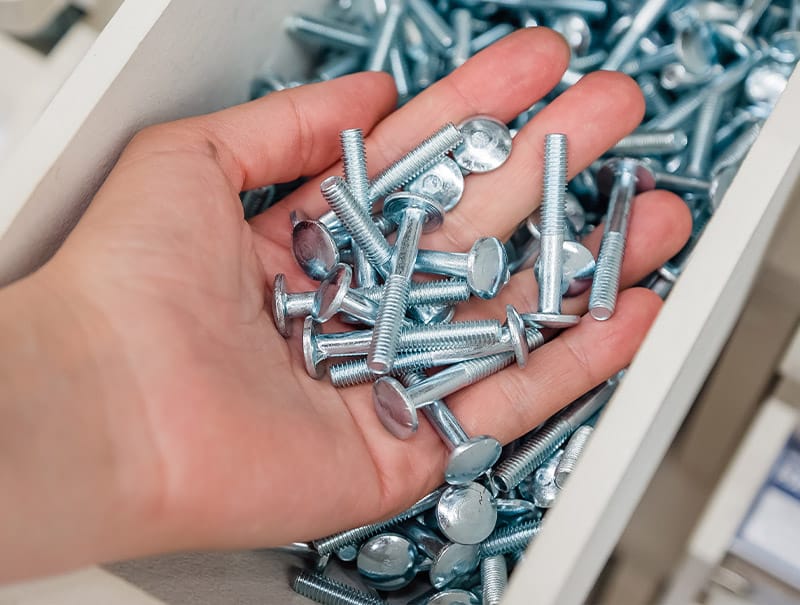
- Bolts and screws
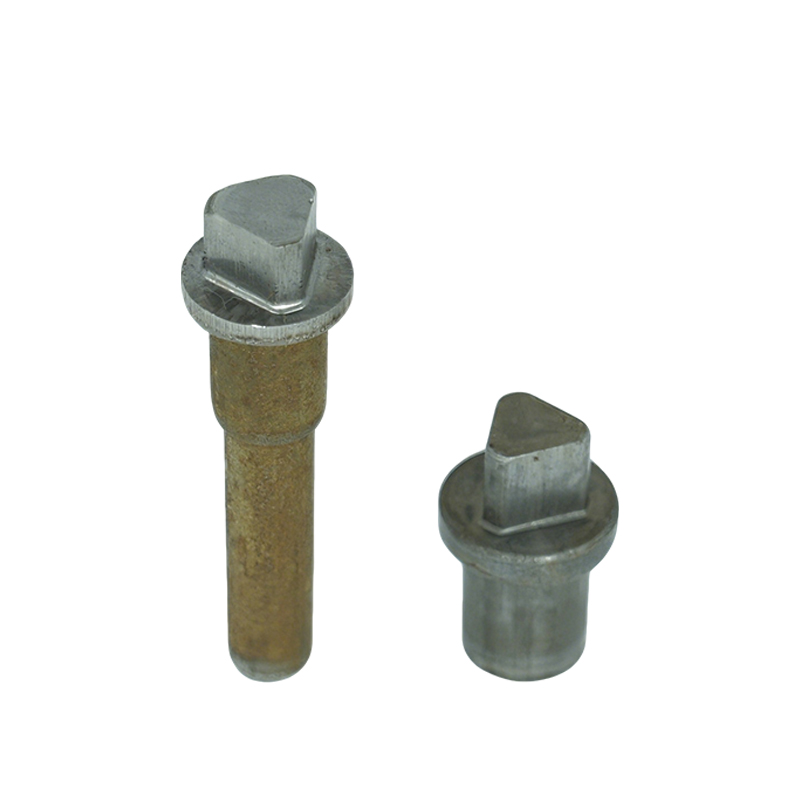
- Pins and rivets
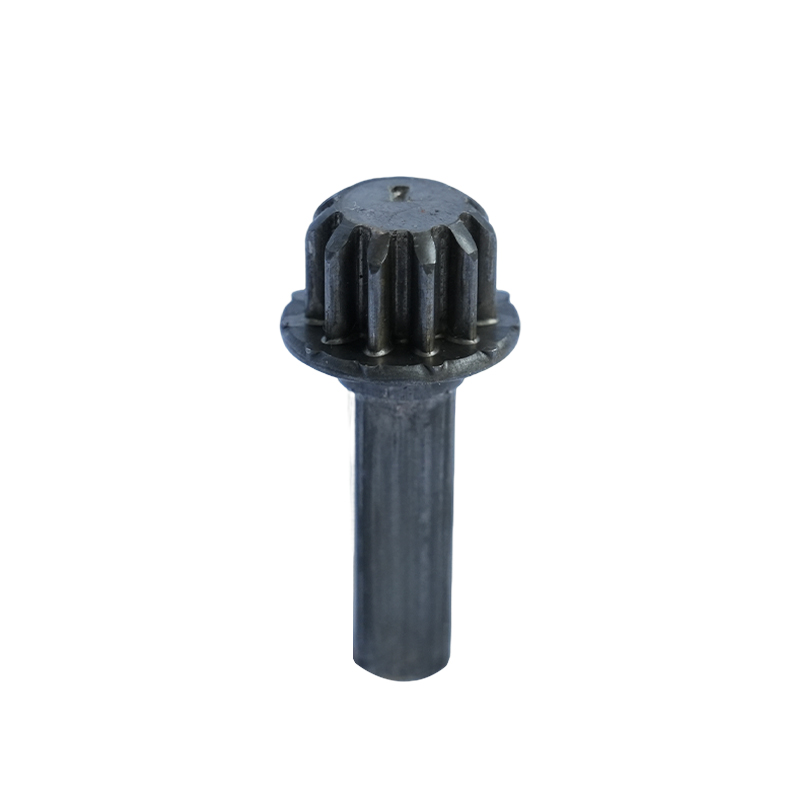
- Shafts
- Automotive components
- Electrical connectors
- Industrial precision parts
The main advantages of this manufacturing method include:
- Lower material waste
- Faster production speed
- Better consistency
- Reduced cost for mass production
- Improved mechanical properties
For companies requiring thousands or millions of components annually, cold heading is often a more economical solution compared with traditional cutting processes.
Cold Heading vs Cold Forming: Understanding the Difference
Many engineers and buyers use the terms cold heading and cold forming interchangeably. However, cold forming is a broader manufacturing category, while cold heading is a specialized process within cold forming.
Cold forming refers to shaping metal at room temperature through different deformation methods.
Cold heading specifically focuses on producing components through controlled upsetting and extrusion operations.
| Manufacturing Method | Description | Common Applications |
|---|---|---|
| Cold Forming | General category of room-temperature metal shaping | Various precision components |
| Cold Heading | High-speed forming process using dies and punches | Fasteners, shafts, pins |
| Cold Extrusion | Forcing material through a die opening | Complex profiles and precision parts |
Understanding this difference helps OEM buyers select the correct production method according to part design, volume requirements, and performance expectations.
How Does the Cold Heading Process Work?
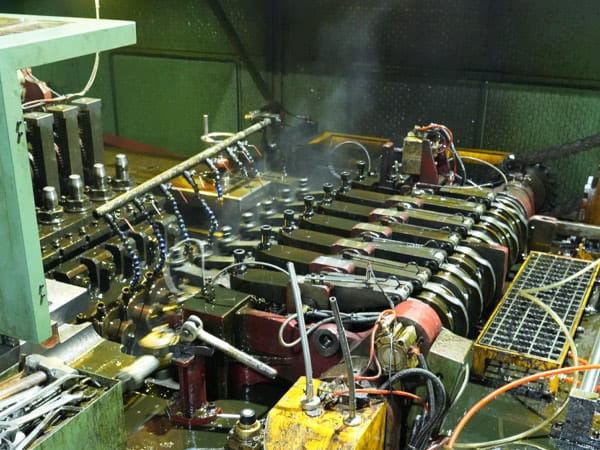
A successful cold heading production process involves multiple stages. Each step influences the final component quality and manufacturing efficiency.
Step 1: Material Selection for Cold Heading
Material selection is the foundation of successful cold heading production.
Although many metals can be shaped through forming processes, materials used for cold heading must have suitable ductility and strength characteristics to withstand high forming pressure.
Common materials include:
| Material | Advantages | Typical Applications |
|---|---|---|
| Carbon Steel | High strength and cost efficiency | Automotive fasteners, mechanical parts |
| Alloy Steel | Excellent durability and load resistance | High-performance components |
| Stainless Steel | Corrosion resistance and long service life | Valves, outdoor components |
| Aluminum | Lightweight and good corrosion resistance | EV and lightweight applications |
When selecting materials, engineers usually consider several factors:
Mechanical Requirements
The material must maintain structural integrity during deformation.
Important characteristics include:
- Tensile strength
- Yield strength
- Hardness
- Ductility
- Fatigue resistance
For example, automotive components often require excellent fatigue performance because they experience repeated loads during vehicle operation.
Working Environment
The operating environment also affects material selection.
Different applications may require:
- Corrosion resistance for outdoor components
- High strength for load-bearing parts
- Lightweight materials for EV applications
A professional cold heading manufacturer should help customers evaluate these factors before production begins.
Step 2: Wire Preparation and Surface Treatment
Before forming, raw wire materials need proper preparation.
This stage directly affects production stability and final product quality.
Wire Drawing
Wire drawing controls material diameter and improves surface consistency.
Accurate wire dimensions are important because small variations may cause:
- Incorrect part dimensions
- Increased tool wear
- Production instability
Cleaning and Lubrication
Lubrication reduces friction between the material and forming tools.
Proper surface preparation helps:
- Improve material flow
- Reduce forming pressure
- Extend tooling lifespan
- Prevent surface defects
Poor lubrication or improper preparation may result in cracks, scratches, or dimensional problems during production.
Step 3: Tooling Design and Die Development
Tooling is one of the most critical factors in cold heading manufacturing.
Many buyers focus only on production equipment, but experienced manufacturers understand that tooling capability often determines the success of a project.
A complete tooling system usually includes:
- Dies
- Punches
- Cutting tools
- Forming stations
A well-designed tool can improve:
- Product accuracy
- Production speed
- Material flow
- Tool service life
For customized cold headed parts, tooling design must consider:
- Component geometry
- Material characteristics
- Required tolerance
- Production quantity
For simple fasteners, fewer forming steps may be required.
However, complex automotive components may require multiple forming operations and customized tooling solutions.
This is why OEM buyers should evaluate a supplier’s engineering capability instead of only comparing prices.
Step 4: Metal Forming Operation
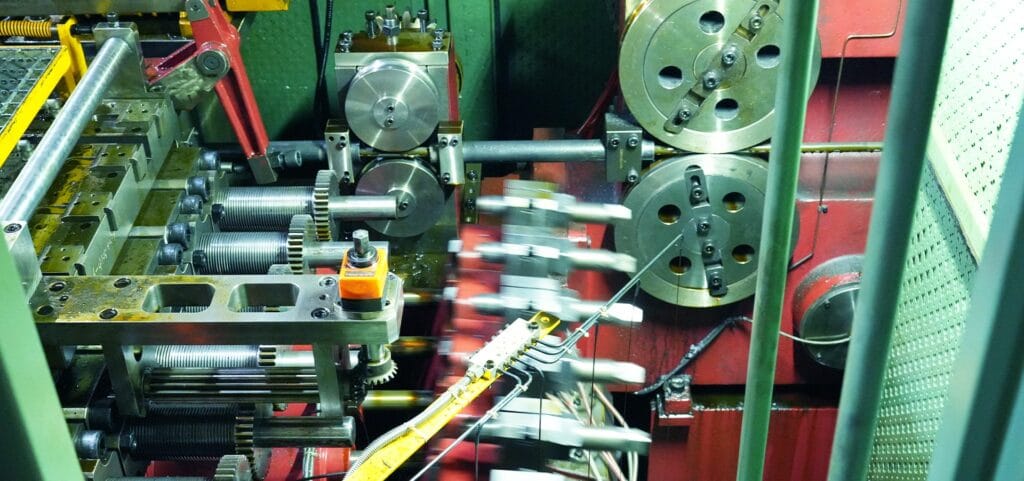
During the forming stage, metal blanks are transformed into the final shape through controlled pressure.
Several forming techniques may be used depending on component requirements.
Upsetting
Upsetting increases the diameter of a specific area of the material.
Common examples include:
- Bolt heads
- Rivet heads
- Special fastener structures
Extrusion
Extrusion pushes material through a specially designed die to create smaller sections.
Applications include:
- Shafts
- Pins
- Precision components
Combination Forming
Many advanced components require multiple forming operations.
By combining different forming steps, manufacturers can create complex geometries while maintaining production efficiency.
For automotive and industrial applications, this capability is essential because many components require both precision and high-volume production.
Step 5: Secondary Processing and Final Inspection
Although cold heading can create highly accurate components, many applications require additional processes to achieve final specifications.
Depending on product requirements, secondary operations may include:
- Thread rolling
- Heat treatment
- Surface coating
- Grinding
- CNC secondary machining
- Cleaning and inspection
These additional processes improve:
- Surface performance
- Wear resistance
- Corrosion resistance
- Dimensional accuracy
For example, automotive components may require heat treatment to achieve specific hardness levels, while outdoor industrial components may require protective coatings to improve corrosion resistance.
A professional supplier should have the ability to manage the complete manufacturing process rather than only providing basic forming services.
This integrated approach helps OEM customers reduce communication costs, shorten delivery cycles, and maintain consistent quality.
Why Do Manufacturers Choose Cold Heading Process?
Higher Production Efficiency for Mass Manufacturing
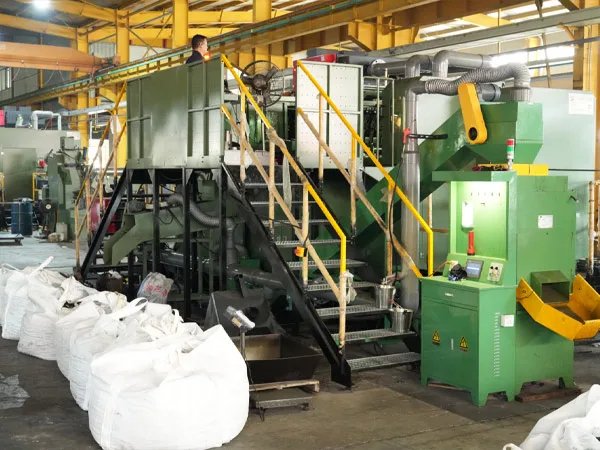
One of the biggest advantages of the cold heading process is its ability to support high-volume production.
Unlike machining processes that require individual cutting operations, cold heading uses automated forming equipment to produce large quantities of identical components at high speed.
This makes it especially suitable for industries requiring:
- Hundreds of thousands of components per year
- Millions of identical parts
- Stable long-term supply
For example, automotive manufacturers typically require large quantities of fasteners and precision components with consistent specifications. Cold heading allows suppliers to maintain production efficiency while meeting strict quality requirements.
Better Material Utilization and Cost Control
Material efficiency is one of the most important reasons companies choose cold heading.
In CNC machining, a large amount of material may be removed during cutting. Cold heading works differently by reshaping the existing material.
This provides several advantages:
- Reduced raw material consumption
- Lower manufacturing waste
- More competitive unit costs
- Better sustainability performance
For large-scale production projects, even small material savings can create significant cost advantages.
For OEM buyers, choosing the right manufacturing method is not only about the initial production price. Material utilization, tooling cost, production speed, and long-term stability all affect the total manufacturing cost.
Improved Mechanical Performance of Components
Cold headed components often achieve excellent mechanical properties because the metal structure follows the shape of the formed part.
Compared with some machining processes, cold forming can maintain continuous material flow, improving:
- Strength
- Fatigue resistance
- Durability
This is especially important for components used in demanding environments such as:
- Automotive systems
- Industrial machinery
- Electrical equipment
- Heavy-duty applications
Consistent Quality for Large Volume Production
For OEM customers, consistency is often more important than producing a single perfect prototype.
Cold heading manufacturing provides advantages in repeatability because:
- Automated equipment controls production parameters
- Dedicated tooling maintains part geometry
- Inspection systems monitor dimensional accuracy
This makes the process ideal for industries where every component must meet identical specifications.
Cold Heading Applications Across Different Industries
Automotive Cold Heading Parts
The automotive industry is one of the largest application areas for cold heading technology.
Modern vehicles contain thousands of precision metal components that require:
- High strength
- Reliable performance
- Consistent dimensions
- Long service life
Typical automotive cold heading parts include:
- Special fasteners
- Shafts
- Pins
- Steering components
- Electrical connection parts
Romy Metal provides customized automotive cold heading parts for OEM customers and automotive supply chains.
Examples include:
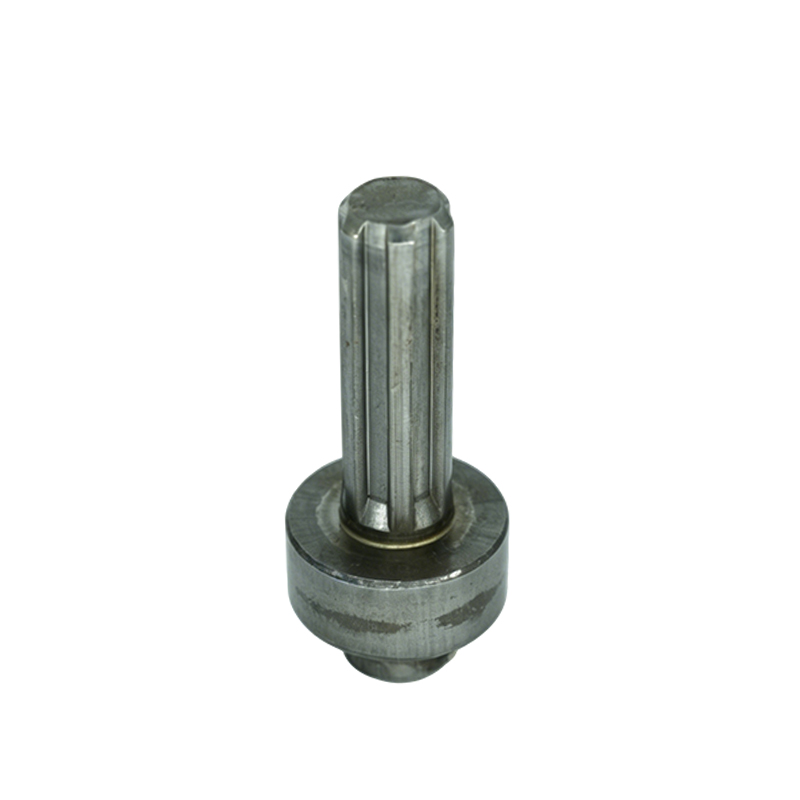
Power Steering Gear Shaft
Precision shaft components used in automotive steering systems require excellent dimensional accuracy and mechanical reliability.
Cold heading technology helps achieve stable production performance for high-volume automotive applications.
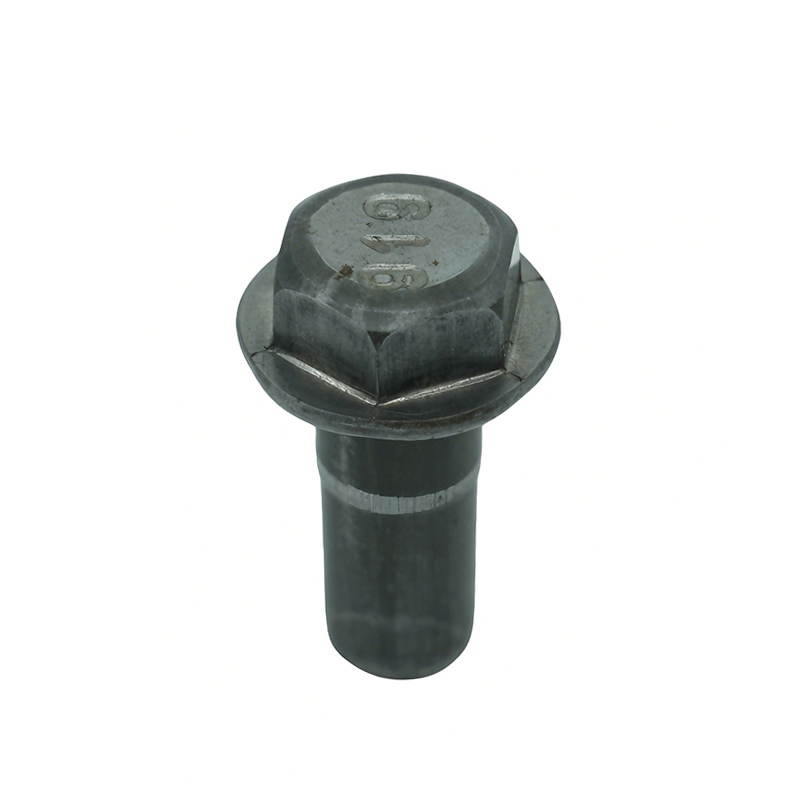
Generator Hexagon Bleed Screw
This type of precision component requires consistent geometry and reliable manufacturing quality.
Through customized tooling and controlled production processes, manufacturers can achieve stable performance for automotive applications.
For automotive suppliers, selecting an experienced cold heading manufacturer is important because vehicle components often require strict quality management and traceability.
EV Precision Components
The rapid growth of electric vehicles is creating new opportunities for advanced metal forming technologies.
EV manufacturers require components that combine:
- Lightweight design
- High strength
- Precision manufacturing
- Large-scale production capability
Cold heading is increasingly used for EV-related components because it can provide stable production efficiency for complex supply chains.
Potential applications include:
- Motor components
- Battery system fasteners
- Electrical connection components
- Precision shafts
Romy Metal also develops customized EV-related metal components, including precision motor shaft solutions for electric mobility applications.
As EV production continues expanding globally, suppliers with experience in automotive and precision manufacturing will play an increasingly important role in the supply chain.
Industrial and Mechanical Components
Beyond automotive applications, cold heading is widely used in industrial manufacturing.
Common applications include:
- Machinery components
- Valve parts
- Equipment fasteners
- Precision shafts
For example, industrial valve components require:
- Accurate dimensions
- Reliable sealing performance
- Long-term durability
Romy Metal provides customized industrial components such as valve stems and precision mechanical parts for different manufacturing requirements.
Cold Heading Process vs Other Manufacturing Methods
Choosing the correct manufacturing method depends on several factors, including production quantity, component complexity, material requirements, and budget.
Cold Heading vs CNC Machining
Cold heading and CNC machining are two commonly compared manufacturing methods.
Both have advantages, but they are suitable for different situations.
| Comparison Factor | Cold Heading | CNC Machining |
|---|---|---|
| Production Volume | Best for high-volume production | Suitable for low to medium volume |
| Material Waste | Very low | Higher due to cutting process |
| Production Speed | Very fast | Slower for large quantities |
| Complex Geometry | Limited by forming design | Excellent flexibility |
| Unit Cost | Lower in mass production | Higher for large quantities |
| Prototype Capability | Limited | Excellent |
When Should You Choose Cold Heading?
Cold heading is usually the better option when:
- The component design is stable
- Production quantities are high
- Cost efficiency is important
- Material utilization matters
- Consistent quality is required
Typical examples:
- Automotive fasteners
- Large-volume industrial parts
- Standardized precision components
When Is CNC Machining Better?
CNC machining may be preferred when:
- Production quantities are small
- Product designs change frequently
- Extremely complex shapes are required
- Prototypes are needed quickly
For many OEM projects, the best solution is not choosing one technology over another, but combining different processes according to production needs.
Cold Heading vs Hot Forging
Cold heading and hot forging are both metal forming technologies, but they operate under different conditions.
| Factor | Cold Heading | Hot Forging |
|---|---|---|
| Temperature | Room temperature | High temperature |
| Surface Finish | Usually better | Requires more finishing |
| Material Efficiency | High | Medium |
| Dimensional Accuracy | Excellent | Good |
| Production Speed | Very high | High |
| Typical Applications | Precision parts, fasteners | Large structural components |
Cold heading is usually preferred for smaller precision components requiring high consistency, while hot forging is commonly used for larger parts requiring extreme strength.
How to Select a Reliable Cold Heading Manufacturer?
Choosing the right supplier is one of the most important decisions for OEM buyers.
A qualified manufacturer does not only provide production capacity. They should also provide engineering support, quality management, tooling development, and long-term supply reliability.
Before selecting a supplier, buyers should evaluate several key factors.
Evaluate Tooling Development Capability
Tooling is the foundation of successful cold heading production.
A manufacturer with strong tooling capability can help customers optimize:
- Part structure
- Material flow
- Production efficiency
- Manufacturing cost
During supplier evaluation, buyers should ask:
- Does the supplier design and produce their own tooling?
- Can they improve the design for better manufacturability?
- Do they have experience with complex components?
For customized cold headed parts, tooling experience often determines whether a project can move from prototype development to stable mass production.
Check Production Capacity and Equipment
Production capacity is another important consideration, especially for automotive and industrial customers.
A reliable supplier should have:
- Stable production equipment
- Experienced operators
- Process monitoring systems
- Sufficient manufacturing capacity
For large-volume projects, buyers should evaluate whether the supplier can maintain consistent output during long-term cooperation.
Romy Metal focuses on customized precision component manufacturing with professional production capability for automotive, industrial, and EV-related applications.
Review Quality Control System
Quality control is essential because cold heading components are often used in safety-critical or high-performance applications.
A professional manufacturer should have inspection procedures covering:
- Incoming material inspection
- Production monitoring
- Dimensional inspection
- Final product verification
Common inspection methods include:
| Inspection Method | Purpose |
|---|---|
| Coordinate Measuring Machine (CMM) | Check dimensional accuracy |
| Hardness Testing | Verify material performance |
| Tensile Testing | Evaluate strength characteristics |
| Surface Inspection | Detect defects and damage |
| Gauge Inspection | Monitor production consistency |
For automotive projects, customers may also require quality systems such as IATF 16949, PPAP documentation, and traceability management.
Understand OEM Project Experience
Manufacturing experience in specific industries can significantly reduce project risks.
For example, automotive customers usually require suppliers to understand:
- Strict tolerance requirements
- Production traceability
- Continuous quality improvement
- Delivery reliability
A supplier familiar with OEM requirements can provide better support during product development and mass production.
Common Cold Heading Problems and Solutions
Although cold heading is an efficient manufacturing method, production challenges may occur if materials, tooling, or process parameters are not properly controlled.
Understanding common issues helps buyers evaluate supplier capability.
Why Do Cold Headed Parts Crack?
Cracking is one of the most common concerns in cold forming.
Possible causes include:
Incorrect Material Selection
Some materials may not have enough ductility for the required deformation.
Solution:
- Select suitable cold heading steel grades
- Verify material properties before production
Excessive Deformation
If the forming ratio exceeds material capability, cracks may appear.
Solution:
- Optimize part design
- Use multiple forming stages
- Improve tooling design
Poor Lubrication
Insufficient lubrication increases friction during forming.
Solution:
- Improve surface preparation
- Optimize lubrication processes
How to Improve Dimensional Accuracy?
Dimensional consistency is critical for OEM applications.
Factors affecting accuracy include:
- Tool wear
- Material variation
- Machine adjustment
- Production environment
Solutions include:
- Regular tooling inspection
- Automated measurement systems
- Process parameter monitoring
Experienced manufacturers continuously monitor production data to maintain stable output quality.
How Tool Wear Affects Production?
Cold heading tools experience significant pressure during production.
Over time, tool wear can cause:
- Dimension changes
- Surface defects
- Increased rejection rates
Proper tool management includes:
- Regular inspection
- Preventive replacement
- Production data analysis
A supplier with strong tooling management capability can maintain better long-term production stability.
Cold Heading Manufacturing Trends in 2026
Manufacturing industries are continuing to evolve, and cold heading technology is adapting to new market requirements.
Growth of Automotive and EV Supply Chains
The transition toward electric vehicles is increasing demand for precision metal components.
Future cold heading applications will focus on:
- Lightweight components
- High-strength materials
- Battery-related components
- Electric motor systems
As automotive manufacturers increase production requirements, suppliers with advanced forming capabilities will become increasingly valuable.
Smart Manufacturing and Automated Inspection
Modern factories are adopting more digital technologies.
Future cold heading production will increasingly include:
- Automated quality inspection
- Production data monitoring
- Real-time process analysis
- Intelligent equipment management
These technologies help manufacturers improve consistency and reduce production risks.
Sustainable Metal Forming
Manufacturers are paying more attention to sustainability.
Compared with many cutting processes, cold heading provides advantages through:
- Lower material waste
- Reduced energy consumption
- Higher production efficiency
For companies pursuing greener supply chains, efficient forming technologies will continue gaining importance.
Conclusion
The cold heading process continues to be one of the most effective manufacturing solutions for producing precision metal components in 2026.
For OEM buyers, choosing the right manufacturing method is only the first step. The quality of the final product also depends on supplier experience, tooling capability, material control, and production management.
Cold heading provides significant advantages for high-volume applications through:
- Efficient material utilization
- Stable production performance
- Excellent mechanical properties
- Competitive manufacturing costs
However, successful projects require more than advanced equipment. A reliable cold heading manufacturer should work as a long-term engineering partner, supporting customers from product development to mass production.
With experience in customized cold headed parts, automotive cold heading parts, EV-related components, and precision metal manufacturing, Romy Metal helps global customers develop reliable solutions for demanding industrial applications.
Whether you are developing automotive components, industrial equipment parts, or customized precision products, selecting the right manufacturing partner can improve product quality, reduce production risks, and create long-term supply chain value.
FAQ About Cold Heading Process
What is the cold heading process used for?
The cold heading process is mainly used for producing high-volume precision components such as fasteners, shafts, pins, automotive parts, and industrial components.
It is especially suitable for products requiring consistent dimensions, strong mechanical performance, and cost-effective mass production.
Is cold heading cheaper than CNC machining?
For large production quantities, cold heading is usually more cost-effective than CNC machining because it provides faster production speed and better material utilization.
However, CNC machining may be more suitable for prototypes, small batches, or highly complex geometries.
What materials are suitable for cold heading?
Common cold heading materials include:
- Carbon steel
- Alloy steel
- Stainless steel
- Aluminum
The best material depends on application requirements such as strength, corrosion resistance, and operating conditions.
How accurate is the cold heading process?
The accuracy of cold headed components depends on:
- Material quality
- Tooling design
- Machine capability
- Inspection methods
With proper tooling and process control, manufacturers can achieve tight dimensional tolerances suitable for automotive and industrial applications.
What industries use cold headed parts?
Cold headed parts are widely used in:
- Automotive manufacturing
- Electric vehicles
- Industrial equipment
- Electronics
- Construction hardware
- Machinery production
How do I choose a reliable cold heading manufacturer?
When selecting a supplier, buyers should evaluate:
- Manufacturing experience
- Tooling capability
- Quality systems
- Production capacity
- Industry experience
A strong supplier should provide both manufacturing capability and engineering support.
Can cold heading produce customized parts?
Yes.
Modern cold heading technology can produce customized components based on customer drawings and requirements.
Customized solutions may include:
- Special fasteners
- Precision shafts
- Automotive components
- Industrial metal parts