
Choosing between steel and aluminum is one of the most important decisions when developing automotive cold-formed components. The correct material affects part strength, vehicle weight, corrosion resistance, tooling requirements, production stability, and total purchasing cost.
This guide covers:
- How steel and aluminum behave during cold heading
- Key differences in strength, weight, cost, and corrosion resistance
- Which material is better for different automotive applications
- How material selection affects tooling and mass production
- When carbon steel, alloy steel, stainless steel, or aluminum should be used
- Which technical information buyers should include in an RFQ
- Common questions asked by automotive engineers and procurement teams
- How to select a qualified cold heading parts supplier
Table of Contents
What Are Automotive Cold Heading Parts?
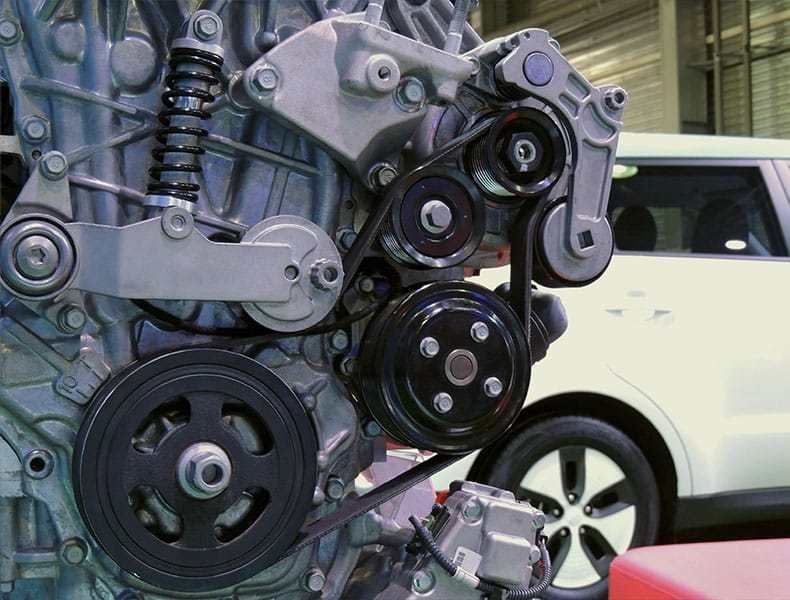
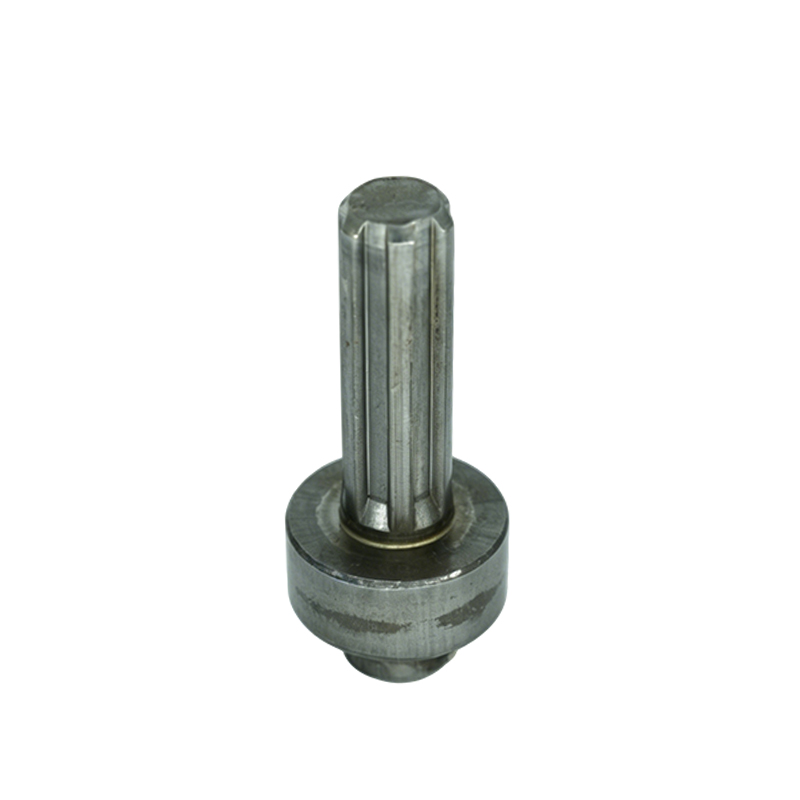
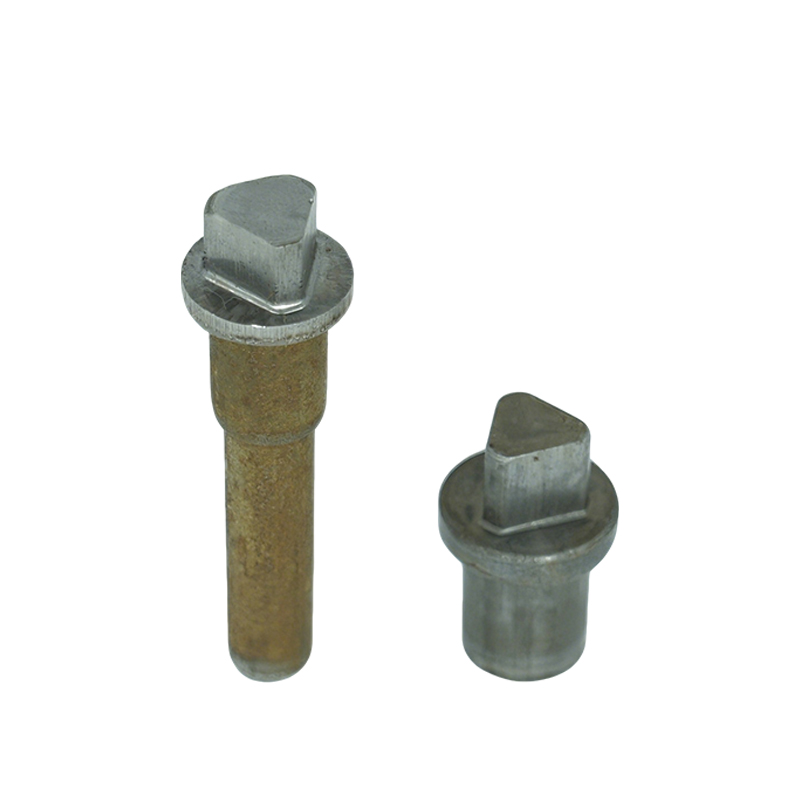
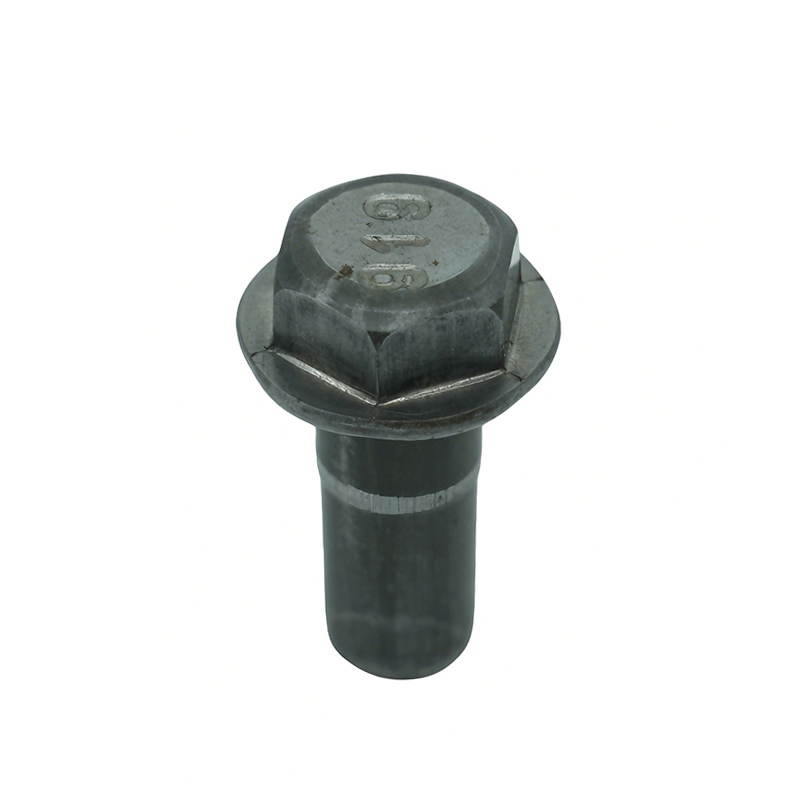
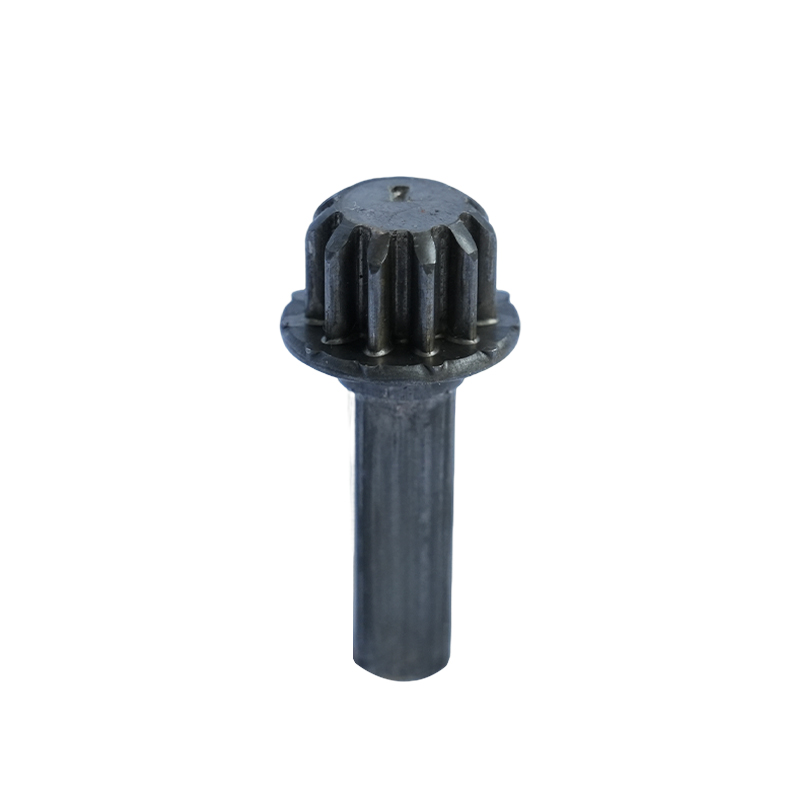
Automotive Cold Heading Parts are metal components formed from wire or rod at or near room temperature. The material is pressed through a series of dies to create the required head, shank, flange, shoulder, recess, or stepped profile.
Common cold-headed automotive products include:
- Bolts and screws
- Rivets and pins
- Wheel fasteners
- Weld studs
- Shoulder bolts
- Electrical contact parts
- Seat and interior fasteners
- Battery system components
- Chassis and suspension fasteners
- Custom non-standard formed parts
Compared with machining, cold heading removes very little material. It is particularly suitable for medium- and high-volume automotive projects requiring repeatable dimensions, efficient material use, and short production cycles.
Cold forming
Cold forming reshapes metal through pressure rather than cutting it away. The process can improve material utilization and maintain continuous grain flow around the formed profile.
Multi-station cold heading
Multi-station equipment forms a component gradually through several dies and punches. This controlled progression allows manufacturers to produce more complex Automotive Cold Heading Parts while reducing the risk of cracking or incomplete die filling.
Secondary operations
Cold heading may be followed by thread rolling, trimming, drilling, machining, heat treatment, plating, or passivation. The final manufacturing route depends on the material, geometry, tolerances, and performance requirements.
Steel vs Aluminum: Quick Comparison
Steel and aluminum can both be used for Automotive Cold Heading Parts, but they serve different engineering priorities. Steel usually provides greater strength and wear resistance, while aluminum offers substantial weight reduction and natural corrosion resistance.
| Comparison factor | Steel | Aluminum |
|---|---|---|
| Density | Approximately 7.8 g/cm³ | Approximately 2.7 g/cm³ |
| Component weight | Higher | Significantly lower |
| Tensile strength | Generally higher | Lower, depending on alloy and temper |
| Fatigue performance | Strong for high-load applications | Suitable when correctly designed |
| Corrosion behavior | Often requires coating | Forms a protective oxide layer |
| Forming force | Higher | Generally lower |
| Tool wear | Usually greater | Often lower, but material pickup can occur |
| Heat treatment | Common for high-strength parts | Depends on alloy and temper |
| Raw-material cost | Often economical | Usually higher per unit of weight |
| High-temperature use | Generally more suitable | Strength may decrease faster with heat |
| Typical application | Chassis, engine, seats, suspension | EV systems, electronics, interiors |
| Recycling | Highly recyclable | Highly recyclable |
The table provides general guidance rather than a final specification. Individual grades, heat treatments, part geometries, and service conditions can change the performance of both materials.
Why Is Steel Widely Used for Automotive Cold Heading Parts?
Steel remains the most common material for structural and high-load automotive fasteners. Its strength, availability, heat-treatment options, and established industry standards make it suitable for safety-critical applications.
High mechanical strength
Steel can withstand substantial tensile, shear, and clamp loads. Heat-treated carbon or alloy steel is frequently selected when a fastener must maintain joint integrity under vibration and dynamic loading.
Strong fatigue resistance
Vehicles experience repeated loads caused by acceleration, braking, road impact, and vibration. Properly designed steel Automotive Cold Heading Parts can provide dependable fatigue performance in these conditions.
Established supply chain
Automotive-quality steel wire is widely available in many grades and diameters. Established material standards also make it easier for buyers to define chemical composition, mechanical properties, and traceability requirements.
Cost-effective mass production
For many conventional fasteners, steel offers a competitive balance between raw-material cost and mechanical performance. Its widespread use also supports stable tooling, heat-treatment, and coating processes.
Common Steel Options for Cold-Headed Automotive Parts
Not every steel grade performs in the same way. Buyers must consider formability during production as well as strength after heat treatment.
Low-carbon steel
Low-carbon steel has good ductility and can be formed into relatively complex shapes. It is commonly used for general screws, rivets, clips, and low- to medium-load parts.
A protective finish is normally required because untreated low-carbon steel can corrode when exposed to moisture, salt, or chemicals.
Medium-carbon steel
Medium-carbon steel provides higher mechanical strength than low-carbon grades. It may be heat-treated to produce fasteners for demanding automotive assemblies.
Its lower ductility means the heading sequence and wire preparation require careful control. Complex geometries may need annealed material or multiple forming stages.
Alloy steel
Alloy steel is often used for high-strength bolts, wheel fasteners, powertrain components, and structural connections. Elements such as chromium, molybdenum, or boron can improve hardenability and mechanical performance.
The manufacturer must control heat treatment to avoid problems such as distortion, surface decarburization, or inconsistent hardness.
Stainless steel
Stainless steel is selected when corrosion resistance is a primary requirement. It may be used in exhaust-related assemblies, exterior systems, fluid-handling components, and other environments exposed to moisture or chemicals.
Stainless steel can require higher forming forces and carefully designed tooling. Work hardening must also be considered during the development of complex Automotive Cold Heading Parts.
Why Choose Aluminum Automotive Cold Heading Parts?
Aluminum is increasingly important as vehicle manufacturers work to reduce mass, improve energy efficiency, and extend electric vehicle range. It is particularly attractive for components that do not require the strength of heat-treated steel.
Vehicle weight reduction
Aluminum has roughly one-third the density of steel. Replacing selected steel parts with aluminum can reduce assembly weight, although components may need larger dimensions to achieve the required load capacity.
Natural corrosion resistance
Aluminum forms a thin oxide layer that protects the underlying material. Additional treatments such as anodizing or conversion coating can improve surface durability and corrosion performance.
Electrical and thermal conductivity
Aluminum conducts electricity and heat more effectively than steel. This makes certain aluminum Automotive Cold Heading Parts suitable for EV battery packs, power electronics, electrical connections, and thermal management assemblies.
Lower forming forces
Aluminum generally requires less force to form than steel. This can reduce machine loads, but manufacturers must control lubrication, die condition, and material transfer to prevent surface damage.
Important Aluminum Alloy Concepts
Aluminum alloy selection affects heading performance, final strength, corrosion resistance, and heat-treatment response. A grade should not be chosen based only on its published tensile strength.
Formability
Formability describes how easily the material can be reshaped without cracking. Softer tempers are generally easier to cold form, especially when a part requires substantial diameter changes or complex head geometry.
Temper
Temper identifies how the alloy has been processed to achieve specific mechanical properties. Some components may be formed in a softer condition and then heat-treated or aged to reach the required strength.
Material pickup
Aluminum may adhere to punches or dies during forming. Appropriate tool materials, surface treatments, lubrication, and maintenance help control galling and preserve surface quality.
Galvanic corrosion
When aluminum contacts a dissimilar metal in the presence of an electrolyte, galvanic corrosion may occur. Engineers should evaluate coatings, isolating washers, sealants, and joint design when combining aluminum and steel parts.
Steel vs Aluminum for Different Automotive Applications
The best material depends on what the component must do inside the vehicle. Load, temperature, corrosion exposure, electrical requirements, installation method, and expected service life should all be evaluated.
| Automotive application | Preferred option | Main reason |
|---|---|---|
| Chassis connections | High-strength steel | High tensile and shear loads |
| Suspension systems | Alloy steel | Strength and fatigue resistance |
| Wheel fasteners | Heat-treated steel | Clamp-load retention and durability |
| Seat structures | Steel or alloy steel | Crash-load performance |
| Interior trim | Steel or aluminum | Depends on load and weight target |
| EV battery enclosures | Aluminum or coated steel | Weight, conductivity, and corrosion needs |
| Electrical terminals | Aluminum or copper alloy | Electrical conductivity |
| Power electronics | Aluminum | Low weight and thermal conductivity |
| Underbody components | Coated steel or aluminum | Corrosion exposure must be considered |
| High-temperature assemblies | Steel | Better retention of strength at heat |
High-load structural connections
Steel is normally the safer choice for fasteners exposed to high clamp loads, shock, impact, and repeated stress. Typical examples include suspension, chassis, seat, and wheel-system parts.
Lightweight EV assemblies
Aluminum may be appropriate for battery housings, electronic modules, cable connections, and non-critical structural components. Each application should be checked for electrical behavior, heat generation, and contact with other metals.
Corrosive environments
Aluminum can perform well in many corrosive environments, but it is not automatically immune to corrosion. Road salt, alkaline cleaners, galvanic contact, and coating damage must be considered.
Underbody exposure
Underbody Automotive Cold Heading Parts face water, dirt, salt spray, stone impact, and temperature changes. Coating durability and joint design may be as important as the base material.
Enclosed electrical systems
Battery and electrical systems may need materials with controlled conductivity and low contact resistance. The engineer should also evaluate oxidation, joint relaxation, and thermal expansion.
Is Aluminum Always Better for Lightweight Vehicles?
No. A lighter material does not automatically create a lighter or better component.
Because aluminum generally has lower strength and stiffness than steel, an aluminum part may require a larger diameter, thicker wall, or wider bearing surface. These design changes can reduce the expected weight advantage.
Automotive engineers should compare the performance of the complete part rather than the density of the raw material alone. A steel component may remain smaller and provide better fatigue resistance, while an optimized aluminum design may deliver greater weight savings in a low- or medium-load application.
How Material Choice Affects Cold Heading Production
Material selection influences the entire manufacturing process, from wire preparation to final inspection. A component that performs well in service must also be stable enough for efficient mass production.
Forming sequence
Steel may require gradual deformation through several stations because of its higher strength. Aluminum may form with lower pressure but can be more sensitive to surface scratching, folding, or tool adhesion.
Tooling design
Punches and dies must control material flow without creating cracks, laps, or incomplete features. Tool clearances, radii, coatings, and surface finish should be matched to the selected material.
Lubrication
Effective lubrication reduces friction, heat, surface defects, and tool wear. Steel and aluminum often require different lubricant systems because their forming behavior and surface characteristics differ.
Production speed
The soft nature of some aluminum alloys does not guarantee faster production. Feeding stability, material pickup, dimensional control, and surface requirements may limit production speed.
How Do Steel and Aluminum Affect Fastener Cost?
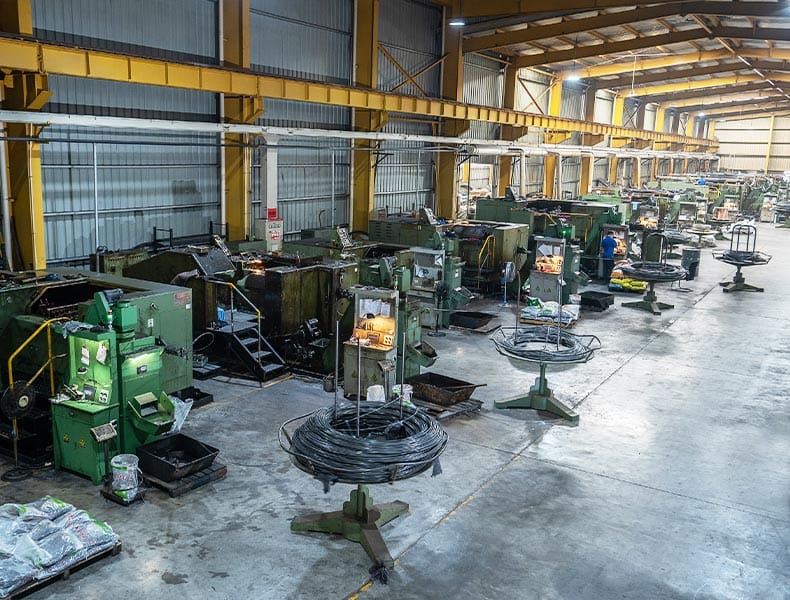
Buyers often ask, “Which is cheaper for cold-headed automotive parts?” The answer depends on more than the price per kilogram.
Raw-material cost
Steel is often less expensive per kilogram, while aluminum may cost more as a raw material. However, aluminum’s lower density means that fewer kilograms may be required to produce the same number of parts.
Tooling and setup
Tooling cost depends mainly on geometry, production volume, material behavior, and required tolerances. Steel can create greater tool wear, while aluminum may need special tool surfaces or lubrication to prevent pickup.
Secondary processing
Steel parts may require heat treatment and corrosion-resistant plating. Aluminum may require heat treatment, anodizing, conversion coating, or special cleaning depending on the application.
Total installed cost
The correct comparison should include:
- Raw material
- Tooling and maintenance
- Heat treatment
- Surface treatment
- Inspection and testing
- Packaging and logistics
- Assembly performance
- Vehicle weight targets
- Warranty and replacement risk
The lowest piece price is not necessarily the most economical choice. Material-related assembly problems or premature failures can create costs far beyond the initial purchase price.
How to Choose the Right Material
A structured material review helps prevent overengineering and underperformance.
Step 1: Define the load
Identify tensile, shear, clamp, impact, and fatigue loads. The calculation should include realistic safety factors and possible overload conditions.
Step 2: Review the environment
Determine whether the component will face water, road salt, fuel, oil, cleaning chemicals, vibration, or elevated temperatures. Environmental exposure affects both base material and coating selection.
Step 3: Set the weight target
Decide whether weight reduction is a primary requirement or only a secondary benefit. Aluminum is most valuable when mass reduction creates measurable vehicle-level advantages.
Step 4: Check the joint materials
Review every material in contact with the fastener. Special protection may be required when aluminum is assembled against steel, copper, carbon fiber, or other conductive materials.
Step 5: Discuss forming feasibility
Ask the supplier to review head-to-shank ratios, recess depth, shoulder geometry, radii, and diameter transitions. Early design feedback can reduce tooling revisions and production defects.
What Information Should Buyers Include in an RFQ?
A complete RFQ allows manufacturers to recommend suitable materials and provide more accurate pricing.
Include:
- A dimensioned 2D drawing
- A 3D model for complex geometry
- Material grade and temper
- Required strength or property class
- Critical dimensions and tolerances
- Heat-treatment requirements
- Coating or surface treatment
- Corrosion testing requirements
- Expected annual volume
- Order quantity and delivery schedule
- Application and installation method
- Operating temperature
- Inspection and documentation requirements
- Packaging and traceability expectations
What if the material has not been selected?
Provide functional requirements instead of choosing a material based on assumption. A qualified supplier can compare steel and aluminum options according to load, environment, geometry, volume, and target cost.
Should buyers provide an existing sample?
Yes, but a sample alone is usually insufficient. A controlled drawing should define dimensions, tolerances, materials, finishes, and performance requirements to prevent misunderstandings.
Quality Control for Automotive Cold Heading Parts
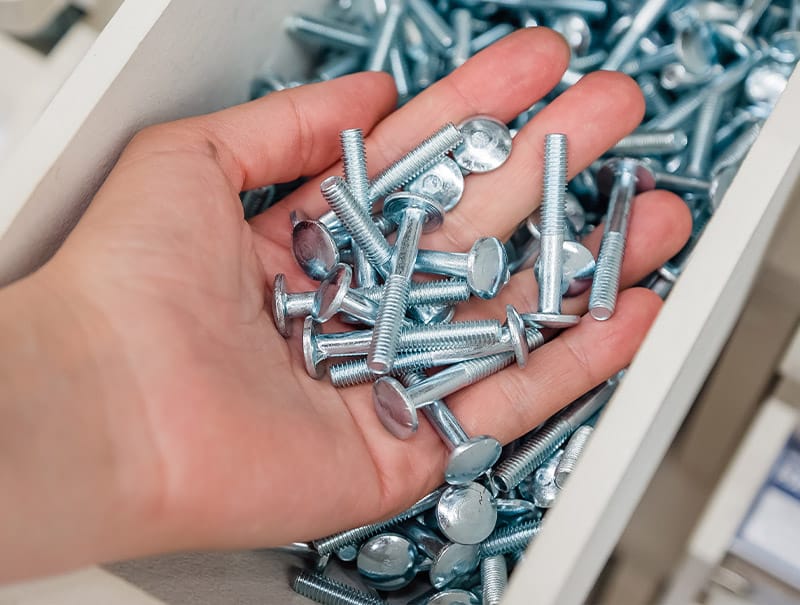
Automotive components often require more rigorous control than general industrial fasteners. The quality plan should cover the material, forming process, secondary operations, and finished product.
Material verification
Material certificates should confirm grade, chemical composition, and relevant mechanical properties. Traceability should connect production batches with the original wire or rod lot.
Dimensional inspection
Critical dimensions may include head diameter, head height, shank diameter, shoulder length, concentricity, recess depth, and thread geometry. Automated optical sorting may be considered for high-volume projects.
Mechanical testing
Testing may include tensile strength, proof load, hardness, torque, shear, fatigue, or installation performance. The test method should reflect how the component functions in the vehicle.
Surface inspection
Steel parts should be checked for plating thickness, coating adhesion, corrosion protection, and hydrogen embrittlement risk where applicable. Aluminum parts may require checks for anodizing quality, scratches, galling, or conversion coating consistency.
Hydrogen embrittlement
High-strength steel fasteners can be vulnerable to hydrogen embrittlement after certain cleaning and electroplating processes. Material strength, coating method, baking procedures, and testing requirements should be reviewed carefully.
Joint relaxation
Aluminum may experience greater joint relaxation under temperature and sustained load. Fastener geometry, installation torque, bearing area, and thermal expansion should be evaluated during assembly testing.
How to Select a Reliable Manufacturer
A capable supplier should understand both cold heading production and automotive application requirements.
Evaluate the following areas:
- Experience with steel and aluminum forming
- Multi-station heading capabilities
- Available wire diameter range
- In-house tool design and maintenance
- Thread rolling and secondary machining
- Heat-treatment and coating management
- Material traceability
- Automated inspection capabilities
- Dimensional and mechanical testing
- Automotive quality documentation
- Capacity for prototype and mass production
- Engineering response and change control
Ask for a feasibility review
A professional manufacturer should identify difficult forming features before quoting final tooling. This review may include recommendations for radii, tolerances, material temper, forming stations, and secondary processes.
Confirm quality documentation
Depending on the project, buyers may request inspection reports, material certificates, coating reports, control plans, process flow charts, FMEA, measurement system analysis, or PPAP documentation.
FAQ
Is steel stronger than aluminum for automotive cold heading parts?
Steel generally provides higher tensile strength, stiffness, and wear resistance. However, the correct comparison must consider the specific steel and aluminum grades, heat treatments, dimensions, and loading conditions.
Can aluminum replace steel in automotive fasteners?
Aluminum can replace steel in selected low- or medium-load applications when weight reduction, corrosion resistance, or conductivity is important. It should not be treated as a direct substitute without reviewing strength, fatigue, temperature, joint relaxation, and galvanic corrosion.
Which material is better for electric vehicle components?
Aluminum is attractive for EV battery systems and electronic assemblies because it is lightweight and offers good electrical and thermal conductivity. Steel remains important for structural, crash-resistant, and high-load EV components.
Are aluminum cold-headed parts more expensive?
Aluminum often has a higher material price, but its low density can reduce the amount of material used per part. The final cost depends on tooling, heat treatment, finishing, inspection, volume, and design complexity.
Do steel cold-headed parts always need plating?
Not always. Stainless steel may be used without conventional plating, while carbon and alloy steels usually need a protective finish in corrosive environments. The correct finish depends on exposure and required service life.
Can aluminum Automotive Cold Heading Parts be heat-treated?
Certain aluminum alloys can be solution heat-treated and aged to improve mechanical properties. The exact process depends on the alloy, temper, geometry, and required performance.
Which material is easier to cold head?
Aluminum generally requires lower forming forces, but it may create surface pickup and dimensional-control challenges. Steel requires greater force and can increase tool wear, but its production behavior is well established for many automotive fasteners.
What causes steel or aluminum parts to crack during forming?
Cracking may result from unsuitable material, insufficient ductility, excessive deformation, sharp tool radii, poor lubrication, or an incorrect forming sequence. Material preparation and progressive die design are essential.
How can I tell whether my part should be cold headed or machined?
Cold heading is usually more economical for repeatable medium- or high-volume parts with suitable geometry. Machining may be better for low-volume orders, prototypes, sharp internal features, deep holes, or extremely tight local tolerances.
What should I ask an Automotive Cold Heading Parts supplier before ordering?
Ask about material experience, forming feasibility, tooling ownership, production capacity, heat treatment, coating control, inspection methods, automotive documentation, sample approval, and traceability.
Final Steel vs Aluminum Selection Checklist
Before approving the material, confirm:
- The required strength and fatigue life
- Maximum service temperature
- Corrosion and chemical exposure
- Vehicle weight-reduction targets
- Contact with dissimilar materials
- Electrical and thermal requirements
- Cold heading feasibility
- Heat-treatment requirements
- Coating and finishing processes
- Critical tolerances
- Annual production volume
- Testing and documentation requirements
- Total installed cost
Conclusion
Steel and aluminum each provide clear advantages for Automotive Cold Heading Parts. Steel is generally preferred for structural, high-load, fatigue-sensitive, and high-temperature applications. Aluminum is valuable when low weight, corrosion resistance, electrical conductivity, or thermal performance is a priority.
The final decision should not be based on density, strength, or raw-material price alone. Buyers should compare the complete component, including geometry, tooling, heat treatment, surface protection, assembly behavior, inspection, and expected service conditions.
Early cooperation between design engineers, purchasing teams, and the cold heading manufacturer makes material selection more reliable. By matching material properties with application requirements and manufacturing feasibility, buyers can develop automotive components that balance performance, weight, production stability, and total cost.